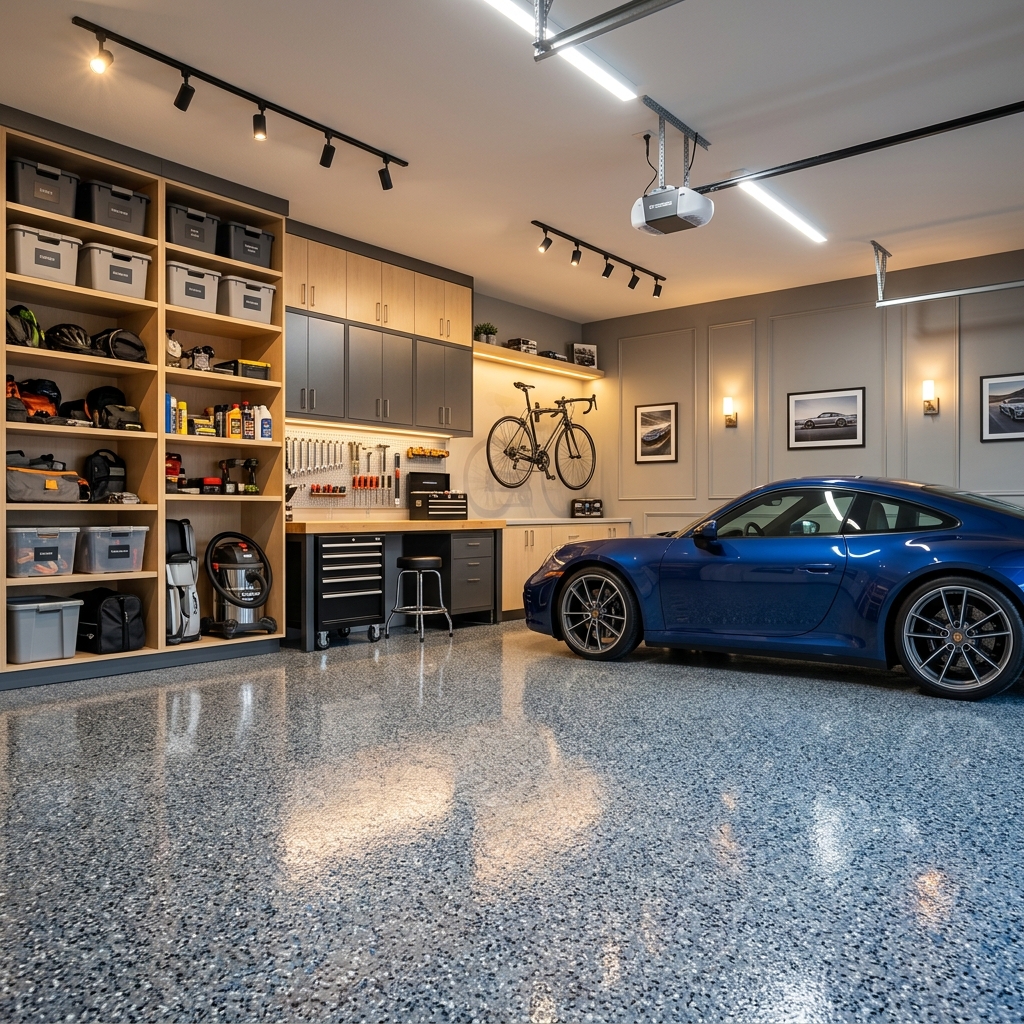
Avoid Costly Epoxy Mistakes: Essential Care Tips for Tampa Homes & Businesses
Epoxy flooring is a popular choice for homes and businesses across Tampa, celebrated for its durability, resistance to stains, and sleek appearance. From garages to commercial kitchens, its versatility is unmatched. However, even the most robust epoxy systems require proper care and installation to withstand the intense Florida sun, high humidity, and heavy foot traffic. Many property owners unknowingly make mistakes that can significantly shorten their epoxy floor's lifespan, leading to premature wear, peeling, or discoloration. This guide will walk you through the specifics of avoiding these costly errors and provide actionable advice to keep your Tampa epoxy floors in pristine condition.
Why is Tampa's Climate a Unique Challenge for Epoxy Floors?
Tampa's climate presents a distinct set of challenges for any flooring material, and epoxy is no exception. Understanding these environmental factors is the first step in proper maintenance and problem prevention.
- High Humidity: Our year-round high humidity can impact the epoxy curing process if not properly managed during installation. It can also trap moisture against the surface, encouraging mold or mildew if not cleaned regularly, especially in areas like Palma Ceia where moisture can be prevalent.
- Intense UV Radiation: The abundant Florida sunshine, while desirable, can cause certain types of epoxy to yellow or degrade over time, losing their vibrant color and sheen. Choosing UV-resistant topcoats is paramount for exterior applications or areas with significant sun exposure.
- Heat Fluctuation: While less extreme than other regions, our temperature changes can still affect the expansion and contraction of concrete slabs beneath the epoxy, potentially leading to stress cracks if the epoxy system isn't flexible enough.
- Salt Air & Sand: Proximity to the coast means salt-laden air and ubiquitous sand. These abrasive elements can cause microscopic scratches over time, dulling the finish and compromising the protective layer if not swept or mopped away regularly.
Common DIY & Maintenance Mistakes That Shorten Epoxy Lifespan
While DIY projects can be tempting, epoxy flooring is a precise application that often requires professional expertise. Even after professional installation, improper maintenance can undo its benefits.
DIY Application Pitfalls:
- Improper Surface Preparation: This is the single biggest cause of epoxy failure. Concrete must be thoroughly cleaned, degreased, etched, and completely dry. Any contaminants, moisture, or unevenness will lead to poor adhesion, bubbling, or peeling. Professionals use specialized equipment for grinding and moisture testing.
- Incorrect Mixing Ratios: Epoxy is a two-part system that requires exact measurement. Deviating from the manufacturer's specifications will result in an improperly cured floor that remains tacky, soft, or fails prematurely.
- Applying in Unsuitable Conditions: High humidity, extreme temperatures, or improper ventilation during application can severely compromise the curing process, leading to a weak or discolored finish.
- Using Low-Quality Products: Cheaper, thin epoxy kits from hardware stores often lack the durability, chemical resistance, and UV stability of professional-grade systems. These are more prone to chipping, fading, and delamination.
Maintenance Blunders:
- Using Harsh Cleaners: Abrasive chemicals, strong acids, or solvents can damage the epoxy's topcoat, dulling its shine and reducing its protective qualities. Stick to pH-neutral cleaners.
- Neglecting Regular Cleaning: Allowing dirt, sand, and debris to accumulate acts like sandpaper underfoot, gradually wearing down the surface. Regular sweeping and damp mopping are essential.
- Ignoring Spills: While epoxy is stain-resistant, highly acidic or corrosive spills should be cleaned immediately to prevent etching or discoloration, especially on lighter colors.
- Dragging Heavy Objects: Without proper protection (like furniture pads), dragging heavy machinery, appliances, or furniture can scratch or gouge the epoxy surface.
When to Call the Pros: Signs Your Tampa Epoxy Floor Needs Professional Attention
Even with the best care, certain issues require the expertise of a professional epoxy flooring company like Tampa Epoxy Flooring Pros. Ignoring these signs can lead to more extensive and costly repairs down the line.
- Peeling or Delamination: If the epoxy is lifting away from the concrete slab, it usually indicates a failure in adhesion, often due to poor surface preparation or moisture issues. This requires professional assessment and likely reapplication.
- Cracking: While epoxy can bridge minor hairline cracks, significant cracking in the coating often points to underlying concrete slab movement or structural issues that need addressing.
- Bubbling or Blistering: These can occur during curing due to trapped air or moisture, or later due to hydrostatic pressure from below the slab. Professionals can diagnose the cause and recommend a solution.
- Significant Fading or Yellowing: While some yellowing can be natural with certain epoxy types over many years, rapid or severe discoloration, particularly in high UV areas, might indicate a low-quality product or improper application of UV-resistant topcoats.
- Excessive Wear or Abrasions: If the protective topcoat is worn through, exposing the color coat or even the concrete, the floor's integrity is compromised, making it vulnerable to stains and further damage.
- Slip Hazards: If your previously non-slip epoxy surface has become slick, it may need a new aggregate-infused topcoat to restore safety, especially in high-traffic commercial zones or for our neighbors in Apollo Beach who might have wet conditions from the nearby bay.
Protecting Your Investment: Proactive Steps for Longevity
A little proactive care goes a long way in extending the life and beauty of your epoxy floors.
- Regular Cleaning Regime: Sweep or vacuum frequently to remove abrasive debris. Mop weekly or bi-weekly with a soft mop and a mild, pH-neutral cleaner mixed with warm water.
- Prompt Spill Cleanup: Clean up all spills immediately, especially oils, chemicals, and acidic liquids.
- Use Floor Mats: Place mats at entryways to trap dirt and moisture, and in high-traffic or prone-to-spill areas like workbenches or under sinks.
- Furniture Protection: Use felt pads under furniture legs and avoid dragging heavy items across the floor.
- Consider a Reseal or Topcoat: Every few years, depending on traffic, a professional may recommend reapplying a clear topcoat to refresh the look and enhance protection. This is a far more cost-effective option than a full replacement.
- Professional Inspections: Schedule periodic professional inspections, especially if you notice any changes in your floor's appearance or performance. Early detection of issues can save significant repair costs.
By understanding the unique challenges of Tampa's climate and adopting a proactive approach to maintenance and professional intervention, you can ensure your epoxy floors remain a durable, beautiful, and valuable asset for your property. Don't let common mistakes diminish your investment.
Concerned about the state of your epoxy flooring or considering a new installation? Don't wait until minor issues become major expenses. Contact Tampa Epoxy Flooring Pros today for a professional assessment and expert service tailored to your Tampa, FL property. Our experienced team is ready to help you maintain or install the perfect epoxy floor.
Need Professional Assistance?
Get a free, no-obligation estimate from our expert local team today.