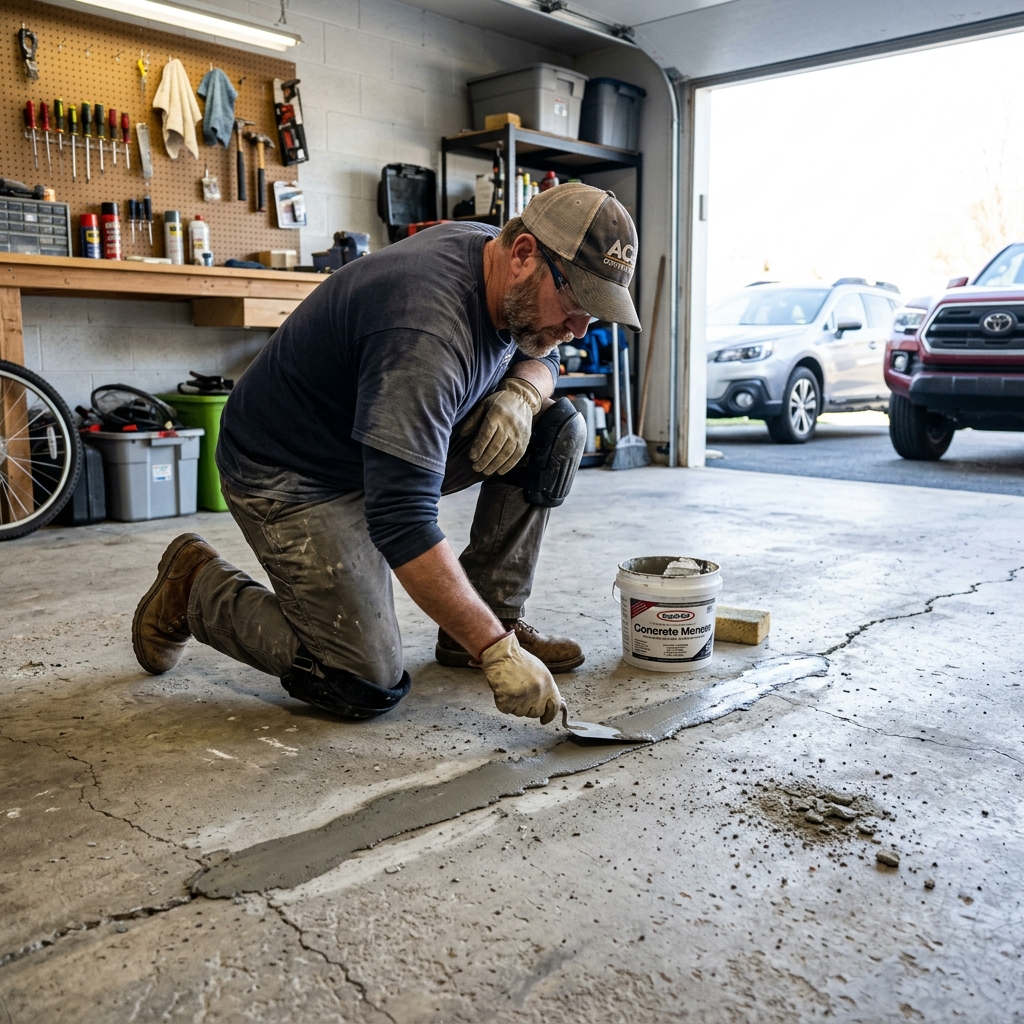
Solve Common Epoxy Flooring Problems in Tampa: Expert Repairs & Prevention
Common epoxy flooring problems in Tampa, FL, such as peeling, blistering, or dullness, often stem from improper installation, moisture issues, or inadequate maintenance. Professional assessment and repair by local experts can restore durability and aesthetics, preventing further damage and extending your floor's lifespan.
Epoxy flooring is renowned for its durability, aesthetic appeal, and resistance, making it an ideal choice for both residential and commercial properties across Tampa. However, even the toughest floors can face challenges. From the intense Florida sun to the high humidity, unique environmental factors in our region can contribute to specific wear and tear. Understanding these common problems and knowing when to seek professional help is crucial for maintaining your epoxy floor's integrity and appearance.
What Are the Most Common Epoxy Flooring Problems in Tampa, FL?
While epoxy floors are robust, several issues can arise over time, often exacerbated by Tampa's climate. Recognizing these problems early can save you significant repair costs and extend the life of your investment.
- Peeling or Delamination: This is arguably the most common and frustrating issue. It occurs when the epoxy coating lifts from the concrete substrate. It can appear as small flakes or large sheets.
- Blistering or Bubbling: Small, raised bubbles or larger blisters forming on the epoxy surface. These often indicate trapped air or moisture trying to escape during or after application.
- Dullness or Lack of Shine: Over time, a once glossy epoxy floor can lose its luster, appearing dull or hazy. This can be due to wear, improper cleaning, or chemical exposure.
- Cracking: Though epoxy is flexible, severe cracks can develop, usually signaling movement or damage to the underlying concrete slab, or impact from heavy objects.
- Yellowing or Discoloration: Especially common in areas exposed to direct sunlight, certain types of epoxy can yellow over time due to UV radiation.
- Hot Tire Pick-Up: In garages, hot tires can cause the epoxy to soften and peel, pulling up chunks of the coating.
- Uneven Curing or Tacky Spots: If mixed or applied incorrectly, some areas of the epoxy might remain soft or sticky, collecting dirt and debris.
Why Do These Problems Occur, Especially in Tampa's Climate?
Understanding the root cause is key to effective repair and prevention. Many issues stem from specific environmental conditions or improper installation.
- Poor Surface Preparation: This is the number one cause of peeling. The concrete must be thoroughly cleaned, etched, and free of moisture, grease, or previous coatings. Any shortcuts here will lead to adhesion failure.
- Moisture Intrusion: Tampa's high humidity and water table make concrete slab moisture a significant concern. Moisture vapor transmission (MVT) from beneath the slab can push the epoxy off the surface, leading to blisters and peeling. A professional contractor in areas like Tampa Palms will conduct thorough moisture testing before application.
- Temperature and Humidity Fluctuations: Applying epoxy in extreme temperatures or high humidity can impact curing, leading to issues like bubbling, uneven finish, or poor adhesion. Tampa's summer heat and humidity require experienced applicators who understand these conditions.
- UV Exposure: Direct, intense sunlight common in Florida can cause certain epoxy formulations to yellow or degrade over time, losing their aesthetic appeal and protective qualities.
- Chemical Exposure and Abrasion: While epoxy is chemical-resistant, prolonged exposure to harsh chemicals or heavy abrasion without proper topcoats can wear down the surface, leading to dullness or damage.
- Incorrect Epoxy Mix Ratios or Application: DIY projects or inexperienced contractors often mismeasure the epoxy components or apply the coating too thinly or thickly, resulting in improper curing, tacky spots, or reduced durability.
When Is It Time for Professional Epoxy Repair vs. Replacement?
Deciding between repairing a damaged section or completely replacing your epoxy floor depends on the severity and extent of the damage. A professional assessment from Tampa Epoxy Flooring Pros can provide clarity.
Signs You Likely Need Repair:
- Localized Peeling or Delamination: If peeling is confined to a small area (e.g., near a garage door or a specific spill site).
- Minor Cracks or Chips: Surface-level cracks that don't extend deep into the concrete, or small chips from dropped objects.
- Dullness or Fading: If the floor has lost its shine but is otherwise structurally sound, a new topcoat or a deep cleaning might suffice.
- Small Blisters: A few isolated blisters, especially if they are not widespread, can often be patched.
Signs You Likely Need Replacement:
- Widespread Peeling or Delamination: When significant portions of the floor are lifting, it often indicates a fundamental problem with the original installation or persistent moisture issues.
- Deep or Extensive Cracking: Cracks that run deep into the concrete, or multiple cracks across the entire floor, may signal structural problems with the slab itself.
- Severe Moisture Damage: Persistent moisture vapor transmission leading to widespread bubbling or efflorescence that cannot be mitigated by simple repairs.
- Extensive Chemical Damage: If large areas of the floor have been compromised by harsh chemicals, leading to significant erosion or softening.
- Multiple, Recurring Issues: If you're constantly repairing different problems, it might be more cost-effective and provide a better long-term solution to completely remove and reinstall the epoxy.
What Does a Professional Epoxy Flooring Repair Process Involve?
When you choose a qualified local company like Tampa Epoxy Flooring Pros, you're investing in a systematic and effective repair process designed for lasting results.
- Thorough Assessment and Diagnosis: Our experts will meticulously inspect your floor to identify the exact cause and extent of the damage. This includes moisture testing, adhesion tests, and evaluating the concrete substrate.
- Surface Preparation: The damaged areas are mechanically prepared. This often involves grinding or scarifying to remove loose or compromised epoxy and create a proper profile for new adhesion. This step is critical, whether you're in Apollo Beach or elsewhere in the Tampa area, as it ensures the new epoxy bonds correctly.
- Substrate Repair (if needed): Any underlying concrete cracks, spalls, or imperfections are repaired with specialized patching compounds or fillers to create a smooth, stable base.
- Epoxy Application: New epoxy layers are meticulously applied to the prepared areas, carefully feathered into the existing coating for a seamless finish. This might involve primer, base coats, and a protective topcoat.
- Curing: The newly applied epoxy must cure properly. Our team provides clear instructions on cure times and post-application care to ensure maximum durability and longevity.
- Final Inspection: A comprehensive final inspection ensures the repair meets our high standards and your expectations.
How Can Tampa Homeowners & Businesses Prevent Future Epoxy Damage?
Prevention is always better than cure. By taking proactive steps, you can significantly extend the life and beauty of your epoxy floors.
- Professional Installation: Always choose experienced, reputable epoxy flooring professionals in Tampa. Proper surface preparation, material selection, and application techniques are paramount to avoiding future issues.
- Regular Cleaning and Maintenance: Sweep or vacuum regularly to remove abrasive dirt. Clean spills immediately. Use mild detergents and soft mops. Avoid harsh chemicals, abrasive cleaners, or steel wool, which can dull or scratch the surface.
- Address Moisture Issues: Ensure proper drainage around your property. If you suspect moisture issues in your slab, have them professionally assessed and mitigated before or during epoxy installation.
- Use Protective Measures: In garages, consider placing mats under hot tires if hot tire pick-up has been an issue. Use furniture pads under heavy items to prevent scratches or indentations.
- Periodic Professional Inspections: Schedule periodic check-ups with your epoxy flooring specialist to identify and address minor issues before they escalate.
Don't let common epoxy flooring problems diminish the value and appearance of your property. At Tampa Epoxy Flooring Pros, we specialize in diagnosing and repairing all types of epoxy floor damage, ensuring your floors remain beautiful, durable, and safe. Our local expertise, quality materials, and meticulous workmanship guarantee lasting results for your home or business in Tampa, FL. Whether you're dealing with peeling, cracking, or dullness, we're here to help.
Contact Tampa Epoxy Flooring Pros today for a free consultation and let us restore your epoxy floor to its original glory!
Need Professional Assistance?
Get a free, no-obligation estimate from our expert local team today.