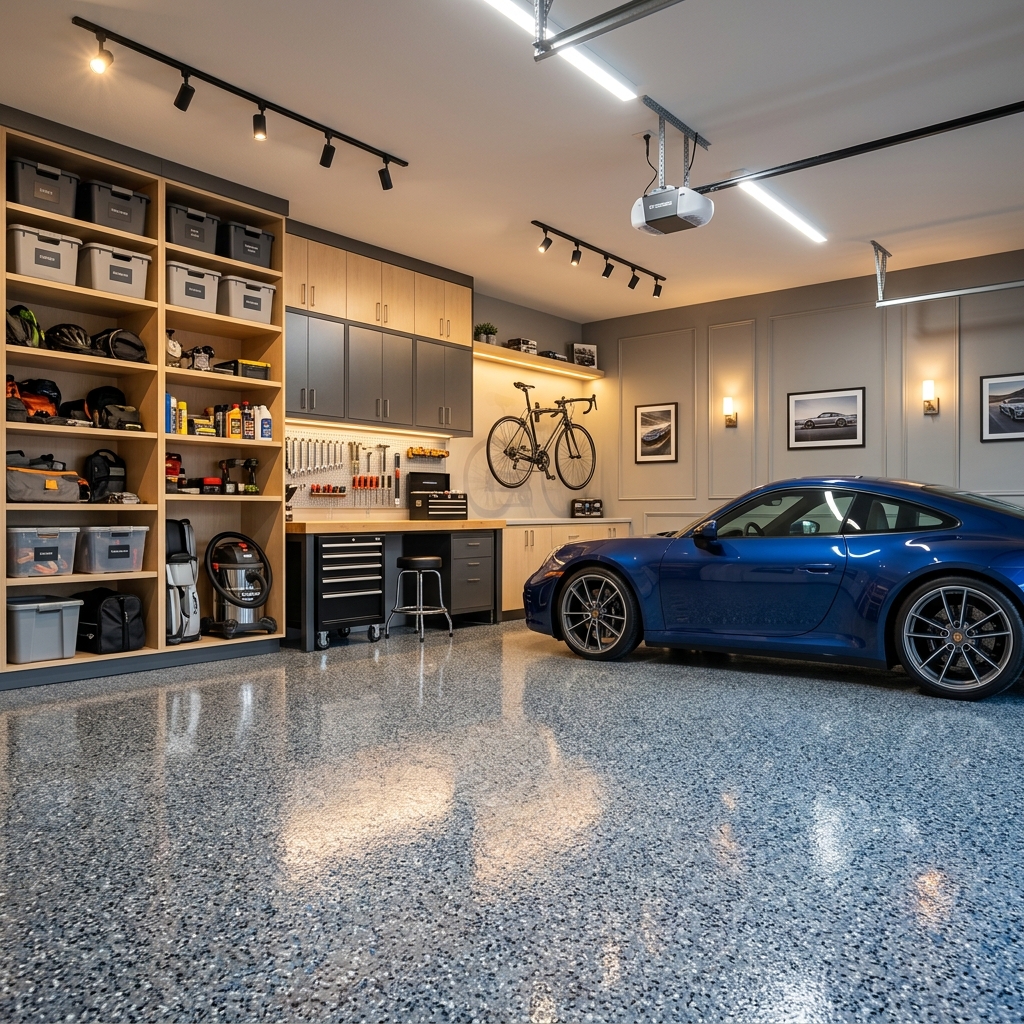
Cracked Epoxy Floor in Tampa? Expert Repair vs. Replacement Guide
When your epoxy floor in Tampa shows signs of cracking, chipping, or delamination, a professional assessment is crucial. Minor damages are often repairable, saving significant costs over a full replacement. Factors like the extent of damage, the underlying cause, and the original epoxy system's quality determine the best solution, often involving spot repairs, patching, or re-coating for optimal longevity and aesthetics.
Epoxy flooring is renowned for its durability, aesthetic appeal, and resistance to wear, making it a popular choice for garages, commercial spaces, and industrial facilities across Tampa, FL. However, even the toughest floors can suffer damage over time. Understanding why damage occurs and what your options are for repair or replacement is key to maintaining your investment and ensuring the safety and appearance of your property.
Why Do Epoxy Floors Get Damaged in Tampa's Climate?
Tampa's unique climate, characterized by high humidity, intense sun exposure, and occasional heavy rainfall, can present specific challenges for epoxy flooring. While epoxy is robust, several factors can lead to its deterioration:
- Moisture Vapor Transmission (MVT): High humidity and moisture rising from the concrete slab are primary culprits in Florida. If the concrete substrate wasn't properly prepared or a suitable moisture barrier wasn't applied, moisture can get trapped beneath the epoxy, leading to blistering, delamination, and peeling. This is especially prevalent in older homes or structures built directly on slab without adequate vapor protection.
- Substrate Issues: The concrete slab beneath the epoxy must be structurally sound and properly prepared. Cracks in the concrete, unevenness, or contaminants (like oil or previous coatings) not removed before installation can cause the epoxy to crack, chip, or lose adhesion. Foundation shifts, common in Florida's sandy soils, can also transfer stress to the epoxy.
- Impact and Abrasion: Heavy impacts from dropped tools, machinery, or continuous abrasion from vehicle traffic and footfall can cause scratches, chips, and gouges. While epoxy is hard-wearing, it's not invincible.
- UV Exposure: Prolonged exposure to direct sunlight, particularly in areas like open garages or outdoor patios, can cause some epoxy formulations to yellow or chalk. While this is primarily an aesthetic issue, it can compromise the topcoat's integrity over time.
- Chemical Exposure: While most epoxy floors are highly chemical resistant, exposure to strong acids, solvents, or certain harsh cleaning agents can degrade the finish, leading to softening, discoloration, or etching.
- Improper Installation: This is a significant factor. If the epoxy was applied incorrectly—poor mixing, inadequate surface preparation, incorrect cure times, or applying in unfavorable temperature/humidity conditions—its lifespan will be severely shortened, leading to premature failure like delamination or cracking.
Repair vs. Replace: Deciding on the Best Solution for Your Tampa Epoxy Floor
When faced with a damaged epoxy floor, the first question is always: can it be repaired, or does it need a full replacement? The answer depends on the nature, extent, and underlying cause of the damage.
When Repair is Often Possible:
- Minor Cracks or Chips: Small, isolated cracks or chips (often from impact) can typically be patched with color-matched epoxy fillers, followed by a new topcoat application.
- Surface Scratches or Dullness: If the damage is superficial and hasn't penetrated the full thickness of the epoxy, a light sanding and a fresh topcoat can restore its shine and protective qualities.
- Localized Delamination/Blistering: If only small, isolated areas are delaminating or blistering, and the underlying concrete is sound, these sections can often be cut out, prepped, and re-coated.
When Replacement is Likely Necessary:
- Widespread Delamination: If large sections of the epoxy are peeling or delaminating from the concrete, it often indicates a fundamental issue with the original installation, such as severe MVT or inadequate surface preparation. A full removal and reapplication might be the only long-term solution.
- Extensive Cracking: If cracks are widespread, deep, or spider-webbing across the entire floor, it could signal significant movement or damage to the concrete substrate itself. Addressing the concrete first, then reapplying new epoxy, is essential.
- Severely Degraded or Worn Out: Floors that are heavily abraded, discolored, or softened over a large area may have exceeded their lifespan or suffered from continuous chemical exposure. In such cases, the cost of extensive repair might approach or even exceed the cost of a new installation.
- Hazardous Materials: If the original epoxy contained hazardous materials or is failing in a way that creates a safety hazard that cannot be easily mitigated by repair, replacement is the safest option.
For a precise diagnosis and recommendation, always consult with a local epoxy flooring expert. Whether your business is in Tampa, or you're seeking reliable epoxy flooring services in St. Petersburg, understanding the scope of the damage is paramount.
What Influences Epoxy Floor Repair Costs in Tampa, FL?
The cost of repairing or replacing an epoxy floor in Tampa can vary significantly based on several factors:
- Type and Extent of Damage: Small, isolated repairs are naturally less expensive than addressing widespread issues. Repairing a single crack differs greatly from re-coating an entire garage.
- Material Costs: The specific type of epoxy resin, hardeners, fillers, and topcoats used will impact the price. High-performance industrial epoxies or decorative flake systems will have higher material costs.
- Labor and Expertise: Skilled technicians with experience in epoxy repair command fair wages. The complexity of the repair and the time required for proper surface preparation and application are major cost drivers.
- Surface Preparation: This is often the most critical and labor-intensive part of any epoxy project. If extensive grinding, crack repair, or moisture mitigation is needed for the concrete substrate, it will add to the overall cost.
- Accessibility: Floors in hard-to-reach areas or those requiring specialized equipment (e.g., for very large industrial spaces) might incur higher labor costs.
- Removal of Old Epoxy: If a full replacement is needed, the labor and equipment required to safely and effectively remove the existing epoxy coating will be a significant factor. This often involves diamond grinding or shot blasting.
It's always recommended to get a detailed, written estimate from a reputable local contractor like Tampa Epoxy Flooring Pros. Be wary of significantly low bids, as they might indicate shortcuts in material quality or surface preparation, leading to future problems.
The Professional Epoxy Repair & Restoration Process
A professional epoxy repair or restoration typically follows a structured process to ensure lasting results:
- Thorough Inspection and Diagnosis: Our experts will meticulously examine your floor, identify the type and cause of damage (e.g., MVT, impact, improper installation), and assess the integrity of the underlying concrete.
- Damage Isolation: Any compromised areas will be clearly marked for repair or removal.
- Surface Preparation: This critical step involves grinding, cleaning, and profiling the concrete to ensure optimal adhesion for new materials. For repairs, surrounding areas will be prepped to blend seamlessly. For full replacements, existing epoxy will be mechanically removed.
- Crack and Pit Repair: Cracks are often V-cut, filled with specialized epoxy or polyurea patching compounds, and ground flush. Pits and spalling are also filled.
- Moisture Mitigation (if necessary): If MVT is detected, a high-quality moisture barrier primer will be applied before any new epoxy layers.
- Epoxy Application: Depending on the scope, this could involve spot patching, re-coating a section, or applying a full new system (primer, body coat, broadcast layer if applicable, and topcoat).
- Curing: Proper curing time is essential for the epoxy to reach its full strength and durability. Our team will advise you on return-to-service times.
- Final Inspection: A final walk-through ensures the repair meets our high standards and your expectations.
Maintaining Your Epoxy Floors to Prevent Future Damage
Prevention is always better than cure. Here are tips to extend the life of your epoxy floors:
- Regular Cleaning: Sweep or vacuum regularly to remove abrasive dirt and grit. Mop with a mild, pH-neutral cleaner. Avoid harsh chemicals or abrasive pads.
- Prompt Spill Cleanup: Immediately wipe up spills, especially chemicals, oil, or acidic liquids, to prevent etching or staining.
- Use Protective Mats: In high-traffic areas or under heavy equipment, use mats or pads to minimize impact and abrasion. For commercial properties in areas like Westshore businesses frequently experience heavy foot and vehicle traffic, making protective measures crucial.
- Address Concrete Issues: If you notice new cracks in your concrete, address them promptly before they affect the epoxy.
- Professional Inspections: Consider periodic professional inspections, especially for commercial or industrial settings, to catch minor issues before they become major problems.
Don't let damaged epoxy floors detract from your property's value or safety. Whether it's a small chip or widespread delamination, the experts at Tampa Epoxy Flooring Pros are here to provide a thorough assessment and recommend the most effective, long-lasting solution for your specific needs in Tampa, FL. Call us today for a free consultation and let us restore the beauty and functionality of your epoxy floors!
Need Professional Assistance?
Get a free, no-obligation estimate from our expert local team today.