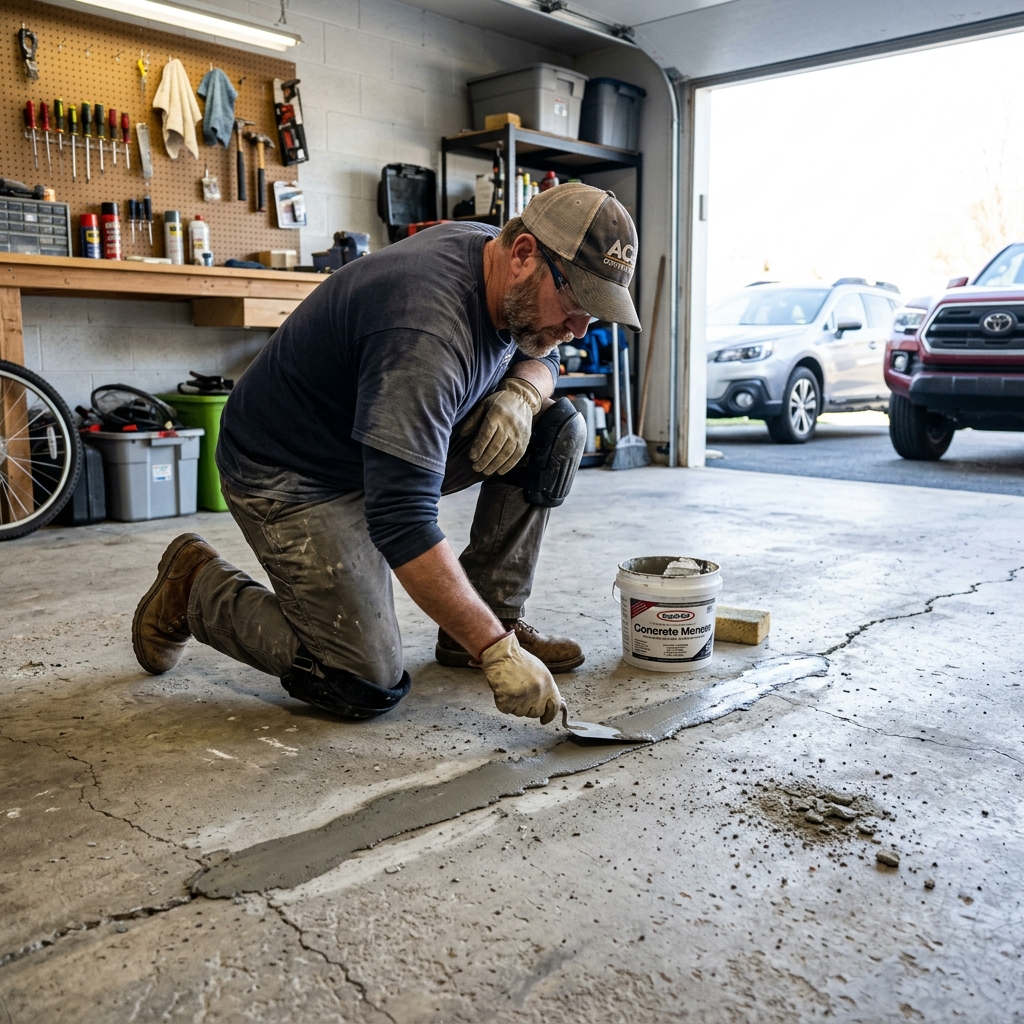
Is Your Tampa Epoxy Floor Failing? Expert Solutions for Common Issues
If your epoxy floor in Tampa is showing signs of distress like peeling, bubbling, or cracking, it indicates potential failure. These issues often stem from improper installation, subfloor moisture, or environmental factors unique to Florida. Prompt professional assessment by Tampa Epoxy Flooring Pros is crucial to diagnose the root cause and determine the most effective repair or replacement strategy, preventing further damage and costly future problems.
What Are the Most Common Signs of Epoxy Floor Failure in Tampa?
Recognizing the early warning signs of epoxy floor failure is key to mitigating further damage and preserving your investment. In Tampa, where conditions can be demanding, these indicators are often a call for professional intervention:
- Peeling or Delamination: This is perhaps the most obvious sign. If the epoxy coating is lifting away from the concrete substrate, often starting at edges or high-traffic areas, it's delaminating. This typically points to poor surface preparation, insufficient primer, or an incompatible coating system.
- Bubbling or Blistering: Small, raised bubbles or larger blisters forming on the surface can indicate moisture vapor transmission from the concrete slab or solvent entrapment during application. High humidity in Tampa can exacerbate these issues if not properly managed during installation.
- Cracking: While epoxy is flexible, significant cracks can appear due to substrate movement, thermal expansion/contraction (especially with Tampa's temperature fluctuations), or inadequate thickness to withstand heavy loads. Hairline cracks might be cosmetic, but wider or propagating cracks signify deeper issues.
- Discoloration or Fading: While some discoloration can occur over time due to UV exposure (if non-UV stable epoxy is used in sun-exposed areas like garages), widespread or blotchy discoloration might indicate chemical reactions, moisture problems, or improper mixing.
- Chipping or Pitting: Small pieces of the epoxy flaking off or tiny craters appearing can be caused by impacts, abrasive wear, or insufficient material hardness. This compromises the protective barrier of the floor.
- Loss of Adhesion (Hollow Sound): If you tap on the floor and hear hollow sounds in certain areas, it suggests the epoxy has lost its bond to the concrete underneath. This is a precursor to delamination.
Why Do Epoxy Floors Fail in Florida's Climate?
Tampa's unique subtropical climate presents specific challenges that can contribute to epoxy floor failures if not properly addressed during installation and material selection:
- High Humidity and Moisture Vapor Transmission (MVT): Florida's persistent humidity is a significant factor. Concrete slabs naturally emit moisture vapor. If this MVT is not properly measured and mitigated before epoxy application, the hydrostatic pressure can cause bubbles, delamination, and poor adhesion as moisture tries to escape through the coating. Using moisture-mitigating primers is critical here.
- Substrate Preparation: The number one cause of epoxy failure, regardless of climate, is improper surface preparation. In Tampa, this often means not adequately cleaning, profiling (grinding), or repairing the concrete. Contaminants like oil, grease, or previous sealers will prevent proper bonding.
- UV Exposure: Many standard epoxy formulations are not UV stable. For outdoor applications or areas with significant sunlight exposure (e.g., garage floors with open doors), non-UV stable epoxy will yellow, chalk, or become brittle over time. Polyaspartic or UV-resistant urethane topcoats are essential in sunny Tampa.
- Temperature Fluctuations: While less extreme than some regions, Tampa still experiences temperature shifts that cause concrete to expand and contract. If the epoxy system isn't flexible enough to accommodate this movement, or if control joints aren't properly honored, cracking can occur.
- Improper Mixing and Application: Epoxy is a two-part system that requires precise mixing ratios and specific application temperatures. Deviations can lead to improper curing, soft spots, poor adhesion, and premature failure. DIY attempts often fall short here.
Can My Failing Epoxy Floor Be Repaired, or Does It Need Replacement?
Deciding whether to repair or replace a failing epoxy floor is a critical decision that a professional assessment can best inform. It typically depends on the extent, type, and underlying cause of the damage:
When Repair is Possible:
- Localized Bubbling or Peeling: If these issues are confined to small, isolated areas, a professional can often grind down the affected spot, re-prime, and apply a patch.
- Minor Cracks: Small, non-moving hairline cracks can sometimes be filled with epoxy crack fillers, followed by a new topcoat if desired for aesthetic uniformity.
- Surface Wear: Scratches, dullness, or minor abrasions on the topcoat can often be addressed by sanding and applying a new, durable topcoat, revitalizing the floor without a full removal.
- Early-Stage Discoloration: If the discoloration is superficial and the underlying bond is sound, a fresh coat of pigmented epoxy or a color-stable topcoat can cover it.
When Full Replacement is Necessary:
- Widespread Delamination or Peeling: If large sections of the epoxy are lifting, it indicates a fundamental adhesion failure across the entire floor. Attempting to patch extensively would be a temporary fix at best, and often less cost-effective than starting fresh.
- Severe Moisture Issues: When persistent moisture vapor transmission causes widespread bubbling and delamination, it signifies a compromised slab or a critically failed moisture barrier. The old coating must be removed, the moisture issue addressed (potentially with a robust moisture mitigation system), and a new epoxy system applied.
- Major Concrete Damage: If the concrete slab itself is severely cracked, spalled, or unstable, the epoxy can only perform as well as its substrate. Repairing the concrete properly often requires removing the existing epoxy before a new system can be applied.
- Incompatible or Poorly Applied System: If the original epoxy was fundamentally the wrong type for the environment or was applied with critical errors, continuous problems will arise. In such cases, full removal and reapplication by experts ensure longevity.
For homes in Carrollwood, or businesses throughout the greater Tampa area, a professional evaluation from Tampa Epoxy Flooring Pros will provide a clear, honest assessment and recommend the most durable and cost-effective solution.
What to Expect During a Professional Epoxy Floor Inspection in Tampa?
When you call Tampa Epoxy Flooring Pros for a failing epoxy floor, our inspection process is thorough and designed to pinpoint the exact cause of the problem, ensuring a long-lasting solution:
- Initial Consultation: We'll discuss your concerns, the history of the floor (when it was installed, by whom, type of use, observed issues), and any specific conditions you've noticed.
- Visual Assessment: Our technicians will meticulously examine the entire floor surface for peeling, cracks, bubbles, discoloration, and other visible signs of failure. We'll note the patterns and locations of these issues.
- Adhesion Testing: For areas showing signs of delamination or poor bond, we may perform a basic adhesion test (e.g., a
Need Professional Assistance?
Get a free, no-obligation estimate from our expert local team today.