Epoxy Floor Failure Warning Signs in Tampa: When to Call a Pro
Ignoring early warning signs of epoxy floor failure in Tampa can lead to costly structural damage and safety hazards. Prompt professional assessment by local experts is crucial for identifying issues like peeling, cracking, or delamination, ensuring timely repairs that preserve your investment and maintain your floor's integrity and aesthetic appeal.
Epoxy flooring is renowned for its durability, longevity, and aesthetic appeal, making it a popular choice for homes and businesses across Tampa, FL. However, even the toughest epoxy floors can show signs of wear and tear or improper installation over time. Understanding these warning signs is critical for protecting your investment, preventing further damage, and ensuring the safety of your space. As your local epoxy flooring specialists, Tampa Epoxy Flooring Pros are here to guide you through identifying these critical issues and knowing when it's time to call in the experts.
What Are the Key Warning Signs of Epoxy Floor Failure in Tampa?
Identifying the early symptoms of epoxy floor problems can save you significant time and money. While minor blemishes might be superficial, certain indicators point to deeper, structural issues that require immediate professional intervention. Here are the most common warning signs:
- Peeling or Delamination: This is arguably the most common and serious sign of epoxy failure. It occurs when the epoxy coating lifts away from the concrete substrate.
- Why it happens: Poor surface preparation (e.g., moisture, oil, or previous coatings not properly removed), improper mixing of epoxy components, or inadequate adhesion to the substrate.
- Impact: Reduces the floor's protective qualities, creates tripping hazards, and looks unsightly.
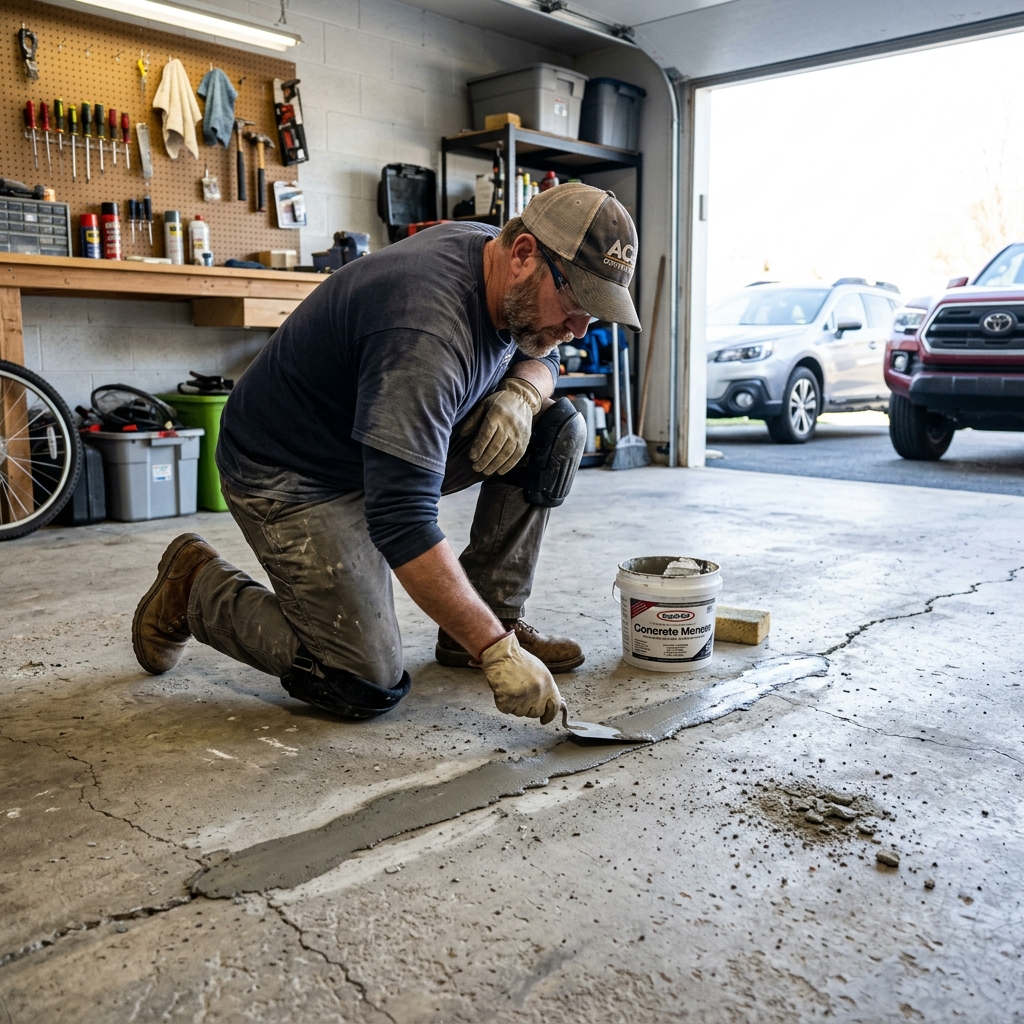
- Cracking: While epoxy can bridge minor concrete cracks, significant or spreading cracks in the epoxy itself are a red flag.
- Why it happens: Severe foundation shifts, excessive impact, or movement in the concrete slab beneath the epoxy. Thermal expansion and contraction in Tampa's fluctuating temperatures can also exacerbate existing hairline cracks.
- Impact: Compromises the floor's integrity, allows moisture intrusion, and can indicate underlying structural problems.
- Bubbling or Blistering: Small to large pockets of air or moisture trapped under the epoxy layer.
- Why it happens: Typically caused by moisture vapor transmission from the concrete, outgassing from the concrete during application (especially in hot, humid Tampa conditions), or improper mixing/application.
- Impact: Weakens the coating, creates uneven surfaces, and can lead to premature peeling.
- Discoloration or Fading: While some color changes can be expected over decades, significant or patchy discoloration is a concern.
- Why it happens: Exposure to harsh UV light (especially near windows or outdoors), chemical spills, or poor-quality epoxy formulations.
- Impact: Diminishes aesthetic appeal and can indicate a breakdown of the epoxy's protective properties.
- Chipping or Pitting: Small pieces of the epoxy breaking away, leaving behind indentations.
- Why it happens: Heavy impact, abrasion from dropped tools or heavy foot traffic, or localized areas of weak adhesion.
- Impact: Reduces durability, can harbor dirt, and may eventually lead to larger areas of failure.
Recognizing these signs early is crucial. If you're observing any of these issues, particularly in high-traffic or critical areas, it’s time to consult with experienced epoxy flooring professionals.
How Does Tampa's Unique Climate Impact Epoxy Flooring Lifespan?
Tampa, FL, presents a unique set of environmental challenges for epoxy flooring. The region's high humidity, intense UV exposure, and frequent temperature fluctuations can significantly impact the performance and longevity of your epoxy system if not properly installed and maintained. Understanding these factors helps explain why local expertise is so vital.
- Humidity: Tampa's notoriously high humidity levels can pose problems during installation. If the concrete slab has excessive moisture vapor transmission, it can cause bubbling, blistering, or delamination of the epoxy, especially if the correct moisture barrier primers aren't used. Post-installation, sustained high humidity can also accelerate wear if the coating wasn't fully cured.
- UV Exposure: The abundant Florida sunshine, while desirable, is a significant enemy of many standard epoxy formulations. Prolonged UV exposure can cause ambering, fading, or chalking of the epoxy, diminishing its aesthetic appeal and protective qualities. High-quality epoxy systems designed for UV resistance are essential in our region.
- Temperature Fluctuations: While not as extreme as some northern climates, Tampa does experience temperature shifts that can cause concrete slabs to expand and contract. This movement, if not accounted for with proper floor preparation and flexible epoxy formulations, can lead to cracking or stress on the coating.
- Salt and Chemical Exposure: For floors in garages or industrial settings, exposure to road salt carried in on vehicles (during rare cold snaps) or chemicals common in maintenance can also test the resilience of your epoxy.
A professional epoxy installer in Tampa understands these local environmental stressors and recommends the right products and application techniques to ensure your floor withstands our climate.
Repair or Replace: How to Decide for Your Tampa Epoxy Floor?
Once you've identified signs of failure, the next big question is often: can it be repaired, or does the entire floor need replacement? This decision hinges on several factors, including the extent of the damage, its underlying cause, and your budget.
- When to Consider Repair:
- Localized Damage: If the peeling, cracking, or chipping is confined to a small, isolated area (e.g., less than 10-15% of the total floor area).
- Surface-Level Issues: Minor aesthetic flaws like superficial scratches or light discoloration that don't indicate a structural breakdown.
- Known Cause with Simple Fix: If the problem is due to a specific impact or spill, and the rest of the floor is sound.
- When Replacement is Likely Necessary:
- Widespread Delamination: If the epoxy is peeling or lifting across a large portion of the floor, especially in multiple areas.
- Deep or Extensive Cracking: Cracks that run through the entire epoxy layer and indicate significant movement or damage to the concrete below.
- Moisture Problems: If the failure is due to severe moisture vapor transmission from the slab, a complete removal and reapplication with appropriate moisture mitigation is often required.
- Poor Initial Installation: Sometimes, the original application was fundamentally flawed, leading to consistent, recurring issues that repairs cannot fully address.
- Desired Aesthetic Change: If you simply want a completely new look, replacing the entire floor offers the best outcome.
The cost to repair versus replace varies significantly based on the type of damage and the size of the area. Small repairs might range from a few hundred dollars, while a full replacement could be comparable to the initial installation cost, often several dollars per square foot. An honest assessment from a local expert is paramount to making an informed, cost-effective decision. For those in Riverview, understanding these distinctions is key to maintaining your property's value.
What Happens During a Professional Epoxy Floor Inspection in Tampa?
When you call Tampa Epoxy Flooring Pros for an assessment, our goal is to provide a thorough, accurate diagnosis and a transparent solution. Here’s what you can expect:
- Initial Consultation: We'll discuss your observations, the history of the floor, and your concerns. Understanding how the floor is used is critical for proper diagnosis.
- Visual Inspection: Our technicians will meticulously examine the entire floor surface, paying close attention to areas you've identified as problematic. We look for the common failure signs: peeling, cracks, bubbles, discoloration, and unevenness.
- Moisture Testing: Using specialized equipment, we'll test the concrete slab's moisture levels. Excessive moisture is a leading cause of epoxy failure in humid climates like Tampa's. This might involve calcium chloride tests or electronic moisture meters.
- Adhesion Testing: For areas showing signs of delamination, we may perform a basic adhesion test to determine how well the existing epoxy is bonded to the substrate.
- Substrate Analysis: We assess the condition of the concrete underneath – looking for signs of extensive cracking, spalling, or prior coatings that might be interfering with adhesion. This is particularly important for older properties, such as those found in areas like Palm Harbor.
- Detailed Report & Recommendations: Based on our findings, we'll provide a comprehensive report outlining the extent of the damage, the likely causes, and our recommended course of action. This will include options for repair or replacement, along with a clear, itemized estimate.
- Answering Your Questions: We'll take the time to explain everything in detail, ensuring you understand the problem and the proposed solution. Our aim is to empower you to make the best decision for your property.
Don't let epoxy floor problems fester and worsen. Timely, professional intervention can often prevent minor issues from becoming major, expensive headaches. Trust the local experts at Tampa Epoxy Flooring Pros to diagnose and resolve your epoxy flooring challenges with precision and lasting quality.
If you're noticing any warning signs on your epoxy floor in Tampa, FL, don't delay. Contact Tampa Epoxy Flooring Pros today for a comprehensive inspection and expert solutions tailored to your specific needs and our local climate. Protect your investment – call us for a free consultation!
Need Professional Assistance?
Get a free, no-obligation estimate from our expert local team today.