Is Your Tampa Epoxy Floor Beyond Repair? Knowing When to Replace for Ultimate Durability
Epoxy floors are renowned for their exceptional durability, chemical resistance, and aesthetic versatility, making them a popular choice for homes and businesses across Tampa, FL. However, even the toughest surfaces have a lifespan, especially when exposed to our unique local conditions like high humidity, intense UV exposure, and heavy foot traffic. Knowing when your existing epoxy floor has reached its limit and requires a full replacement rather than just a repair is crucial for maintaining safety, appearance, and value. This professional guide from Tampa Epoxy Flooring Pros will help you identify the critical indicators and make an informed decision.
What Are the Key Signs Your Tampa Epoxy Floor Needs Replacement?
Identifying the early warning signs of a failing epoxy floor can save you from more extensive damage and costlier repairs down the line. While minor scuffs or isolated chips can often be patched, certain conditions signal that a full replacement is the more prudent course of action:
- Widespread Delamination & Peeling: If large sections of your epoxy are lifting, bubbling, or peeling away from the concrete substrate, it's a significant problem. This often indicates moisture intrusion from Tampa's humid environment, improper initial surface preparation, or substrate failure. Patching delamination is usually a temporary fix that fails to address the underlying issue and can create dangerous trip hazards.
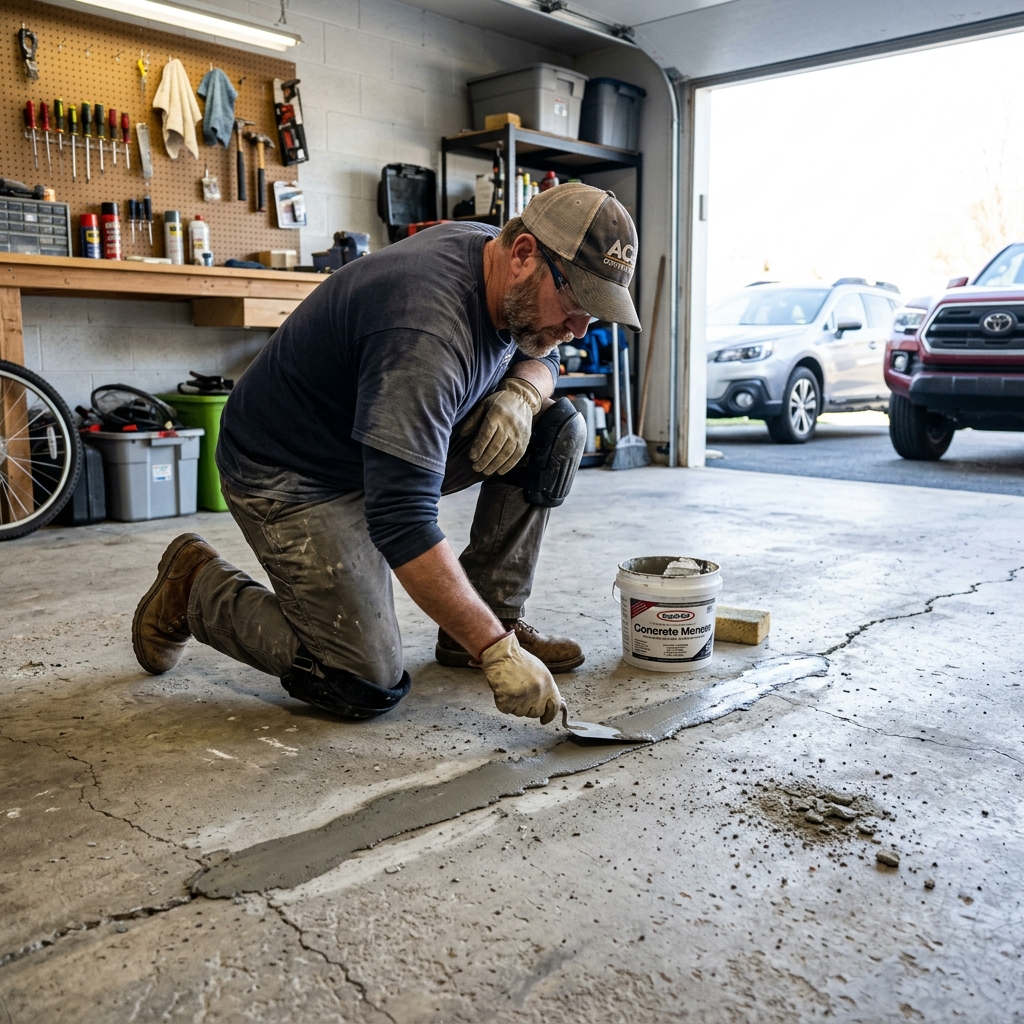
- Deep Cracks & Substrate Damage: While hairline cracks in the epoxy itself might be repairable, deep cracks that extend into the concrete slab underneath are a sign of serious structural issues. If the concrete is spalling (flaking off), crumbling, or has significant craters, a new epoxy coating will only mask these issues temporarily. A full replacement allows for proper concrete repair and preparation.
- Significant Pitting, Erosion, & Chemical Etching: If the protective topcoat and body coat of your epoxy have been extensively compromised by heavy abrasion, corrosive chemical spills, or repeated impacts, leading to widespread pitting or erosion, the floor's integrity is lost. This isn't just cosmetic; it reduces slip resistance, makes cleaning difficult, and exposes the concrete to further damage.
- Persistent Moisture Issues: Recurring moisture vapor transmission (MVT) through your concrete slab can continuously compromise epoxy adhesion, leading to repeated delamination. If previous epoxy applications failed due to moisture, a full replacement can incorporate specialized moisture mitigation systems to prevent future issues.
- Severe Discoloration & Fading: While some minor fading can occur over time, extensive, uneven discoloration, yellowing, or chalking that cannot be restored through cleaning often indicates that the epoxy resin itself has degraded, particularly from prolonged UV exposure common in Florida. This affects both aesthetics and protective qualities.
Repair vs. Replace: Understanding the Cost-Benefit in Tampa, FL
The decision to repair or replace often comes down to long-term cost-effectiveness and desired outcome. While a repair might seem cheaper initially, it's essential to consider the bigger picture:
- Extent of Damage: Minor, isolated damage like a small chip, a single hairline crack, or a localized scratch can typically be repaired cost-effectively. However, if more than 20-30% of your floor exhibits significant issues, the labor and material costs for numerous complex repairs can quickly approach or even exceed the cost of a new installation.
- Substrate Integrity: A professional assessment will determine the health of your concrete slab. If the underlying concrete is severely damaged, uneven, or has pervasive issues, simply applying a new topcoat over old epoxy is a
Need Professional Assistance?
Get a free, no-obligation estimate from our expert local team today.