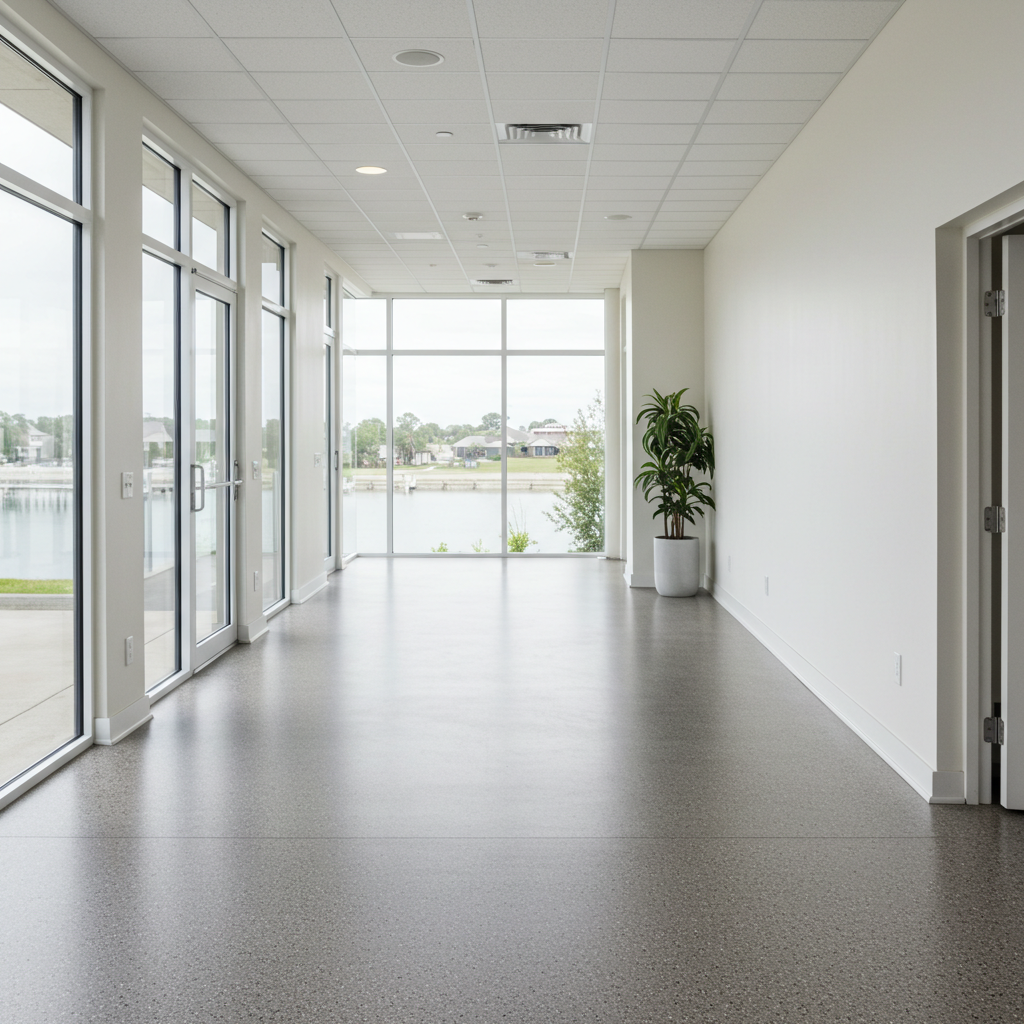
Beat the Tampa Humidity: Essential Tips for Protecting Your Epoxy Floors
What Specific Humidity Challenges Do Tampa Epoxy Floors Face?
Tampa's climate is renowned for its beautiful sunshine, but also for its consistently high humidity levels, especially during the summer months. This atmospheric moisture can present significant challenges for epoxy flooring, impacting both the installation process and the long-term durability of the finished surface. Understanding these unique challenges is the first step in ensuring your epoxy floor thrives in the Tampa environment.
One of the primary concerns is moisture vapor transmission (MVT) from the concrete slab. While not directly caused by ambient humidity, high humidity exacerbates the problem by slowing down evaporation, trapping moisture beneath coatings. When moisture vapor travels through the concrete slab and gets trapped under a non-breathable epoxy coating, it can lead to various issues:
- Blistering: As moisture vapor attempts to escape, it can form small bubbles or blisters in the epoxy layer. These blisters compromise the aesthetic appeal and can eventually lead to larger areas of failure.
- Delamination: This is when the epoxy coating separates from the concrete substrate. High moisture levels can weaken the bond between the epoxy and the concrete, causing the floor to peel or chip away, especially in high-traffic areas.
- Amine Blush: While more common during the curing process, high humidity can contribute to amine blush, a sticky, waxy film on the surface of the epoxy. This can affect subsequent layers' adhesion and the final appearance.
- Reduced Gloss and Chemical Resistance: Prolonged exposure to high moisture can subtly degrade the surface of some epoxy formulations, leading to a duller finish and potentially reducing its resistance to chemicals and abrasions over time.
The constant presence of moisture in the air means that even during drying and curing, the epoxy is battling against a saturated environment, making expert installation and product selection critical for epoxy floor maintenance Tampa homeowners and businesses rely on.
How Can I Prepare My Floor to Withstand Tampa's Humidity?
Proper preparation is paramount when installing or maintaining epoxy floors in Tampa, especially concerning humidity. Neglecting this crucial phase can lead to costly repairs and a significantly shortened lifespan for your floor. Expert preparation goes far beyond a simple cleaning.
Key steps for preparing your floor:
- Moisture Testing: Before any epoxy is applied, professional installers like Tampa Epoxy Flooring Pros conduct thorough moisture testing. This typically involves:
- Calcium Chloride Tests: These kits measure the amount of moisture vapor emitted from the concrete slab over a specific period.
- Relative Humidity (RH) Probe Tests: These provide a more accurate reading of the internal humidity within the concrete slab, which is a critical indicator of potential MVT.
Understanding the moisture content of your slab is non-negotiable. It dictates the type of products and preparation methods required to prevent future failures.
- Moisture Vapor Barrier/Mitigation Systems: If moisture tests reveal high MVT, a specialized moisture vapor barrier or mitigation system is essential. These are typically robust, low-permeability primers applied directly to the concrete. They create a protective layer that blocks moisture vapor from migrating upwards and interfering with the epoxy coating. This is a vital step for epoxy floor moisture protection in humid climates.
- Proper Surface Preparation (CSP Profile): The concrete surface must be mechanically profiled, typically through diamond grinding, to achieve a Concrete Surface Profile (CSP) suitable for epoxy adhesion. This creates a rough texture that the epoxy can deeply bond with. The surface must also be free of contaminants like oil, grease, or previous coatings, which are thoroughly removed through cleaning and degreasing.
- Controlling Ambient Conditions During Installation: Professional installers understand the importance of managing the environment during application. This often means ensuring good ventilation, and sometimes even using dehumidifiers to keep the relative humidity in the application area within the epoxy manufacturer's specified range. This ensures optimal curing and bonding, a critical factor for high humidity epoxy solutions.
Without these meticulous preparatory steps, even the highest quality epoxy can fail prematurely due to Tampa's persistent humidity.
What Are the Best Epoxy Systems for High-Humidity Environments in Tampa?
Choosing the right epoxy system is crucial for achieving a durable, long-lasting floor in Tampa's humid climate. Not all epoxy products are created equal, and some are far better equipped to handle moisture challenges than others. Expert knowledge of product chemistry and environmental factors is key to selection for effective Florida epoxy care.
Here's a breakdown of considerations:
- 100% Solids Epoxy: These are often preferred for their superior durability, chemical resistance, and thickness. They contain no solvents, meaning they emit very low VOCs and cure into a very hard, dense surface. When combined with a proper moisture mitigation primer, 100% solids epoxy systems offer excellent protection against moisture. They create a thick, impermeable barrier that is highly resistant to MVT.
- Water-Based Epoxies: While generally more user-friendly for DIY projects, water-based epoxies are typically thinner and less durable than their 100% solids counterparts. They are also more susceptible to moisture issues during curing and are generally not recommended for environments with high humidity or significant MVT, as they rely on water evaporation to cure.
- Solvent-Based Epoxies: These epoxies use solvents to thin the resin, allowing for easier application and deeper penetration into the concrete. However, the solvents evaporate during curing, contributing to VOC emissions and potentially leaving a thinner film than 100% solids. Their performance in high humidity depends heavily on the specific formulation, but generally, 100% solids with proper primers are more reliable for robust moisture protection.
- Polyaspartic Coatings: Often used as a topcoat over an epoxy base, polyaspartics are an excellent choice for epoxy floor maintenance Tampa. They cure much faster than traditional epoxies, even in cooler or more humid conditions, making them ideal for quick installations. Polyaspartics also offer superior UV stability (preventing yellowing), abrasion resistance, and chemical resistance. Their fast cure time significantly reduces the window for humidity to interfere with the curing process, providing a robust, long-lasting finish.
For optimal performance in Tampa's unique environment, a professional-grade, 100% solids epoxy system, often coupled with a polyaspartic topcoat, and critically, installed over a high-quality moisture vapor barrier, provides the best defense against humidity-related issues.
How Can I Maintain My Epoxy Floor to Prevent Humidity Damage in Tampa?
Even with the best installation and product choices, ongoing maintenance is vital to ensure the longevity and beauty of your epoxy floors in Tampa. While epoxy is incredibly durable, proactive steps can significantly extend its life and prevent humidity-related damage.
Effective maintenance strategies include:
- Optimize Ventilation: Good airflow is essential, especially in enclosed spaces like garages or workshops. Utilize fans during and after heavy rain, or if the area feels particularly damp. Opening doors and windows when outdoor humidity is low (e.g., during dry, cooler parts of the day) can also help to circulate air and prevent moisture buildup. For commercial settings, proper HVAC systems that regulate humidity are a key component of epoxy floor moisture protection.
- Regular Cleaning Routines: Keep your epoxy floor clean. Dust and debris can trap moisture against the surface, potentially leading to issues. Regular sweeping with a soft-bristle broom or dust mop is recommended. For deeper cleaning, use a mild, pH-neutral cleaner mixed with water. Avoid harsh chemicals, abrasive cleaners, or steel wool pads, as these can dull the finish and compromise the epoxy's integrity over time.
- Immediate Spill Clean-Up: While epoxy is highly resistant to most spills, immediate cleanup is always best practice. Certain liquids, if left standing for extended periods, could potentially penetrate microscopic imperfections or compromise the surface over time, especially in a humid environment where evaporation is slow. Wipe up spills promptly with a soft cloth.
- Monitor for Early Signs of Moisture Issues: Be vigilant for any changes in your floor's appearance. Small blisters, dull spots, or areas where the coating seems to be lifting are early indicators of potential moisture problems. Addressing these issues quickly can prevent them from escalating into more significant and costly repairs. An annual inspection by a professional can also catch subtle issues before they become major concerns.
- Consider Dehumidifiers in Problem Areas: In particularly damp or poorly ventilated areas, investing in a portable or whole-room dehumidifier can make a significant difference. Maintaining an indoor relative humidity level between 30% and 50% is ideal for most building materials, including epoxy floors, contributing significantly to high humidity epoxy solutions.
By implementing these maintenance practices, you can actively protect your epoxy floor from the adverse effects of Tampa's humidity, ensuring it remains a beautiful and functional surface for many years to come.
Protecting your epoxy flooring investment in Tampa's unique climate requires specialized knowledge and expert application. From selecting the correct moisture mitigation systems to choosing the ideal epoxy and polyaspartic coatings, navigating the challenges of high humidity is best left to seasoned professionals. At Tampa Epoxy Flooring Pros, we understand the intricacies of Tampa epoxy humidity challenges and offer tailored solutions to ensure your floor's lasting beauty and durability. Our team provides comprehensive services, from meticulous preparation and installation to expert advice on ongoing maintenance, giving you peace of mind that your epoxy floor is built to withstand the Florida elements. Contact Tampa Epoxy Flooring Pros today for a consultation and let us help you achieve a resilient, stunning epoxy floor.
Need Professional Assistance?
Get a free, no-obligation estimate from our expert local team today.