Epoxy Floor Problems in Tampa: Identifying Warning Signs & When to Call Pros
Epoxy flooring problems in Tampa, FL, often stem from high humidity, intense UV exposure, or improper installation, manifesting as delamination, cracks, or yellowing. Recognizing these early warning signs is crucial for preventing extensive damage. Swift professional assessment from local experts determines if a repair or a full replacement is necessary, saving you time and money.
Epoxy flooring offers exceptional durability and aesthetic appeal for both residential and commercial properties across Tampa, FL. However, even the most robust floors can face challenges. Understanding the common issues and their root causes, particularly those exacerbated by our unique Florida climate, is key to proactive maintenance and knowing when to seek professional help. Ignoring early warning signs can lead to more extensive and costly repairs down the line. Tampa Epoxy Flooring Pros are your local experts, ready to diagnose and resolve any epoxy flooring issue, ensuring your investment remains protected and pristine.
What Are Common Epoxy Flooring Problems in Tampa, FL?
While epoxy floors are known for their resilience, certain issues can arise, often signaling underlying problems or wear and tear. Recognizing these signs early allows for timely intervention, preventing minor flaws from escalating into significant damage.
- Delamination or Peeling: This is one of the most common and frustrating problems. Delamination occurs when the epoxy coating separates from the concrete subfloor. In Tampa, this is frequently due to inadequate surface preparation before installation, such as not properly cleaning or etching the concrete, or more critically, due to moisture vapor transmission (MVT) from the slab. High humidity and a high water table contribute significantly to MVT issues, making proper moisture mitigation during installation absolutely essential.
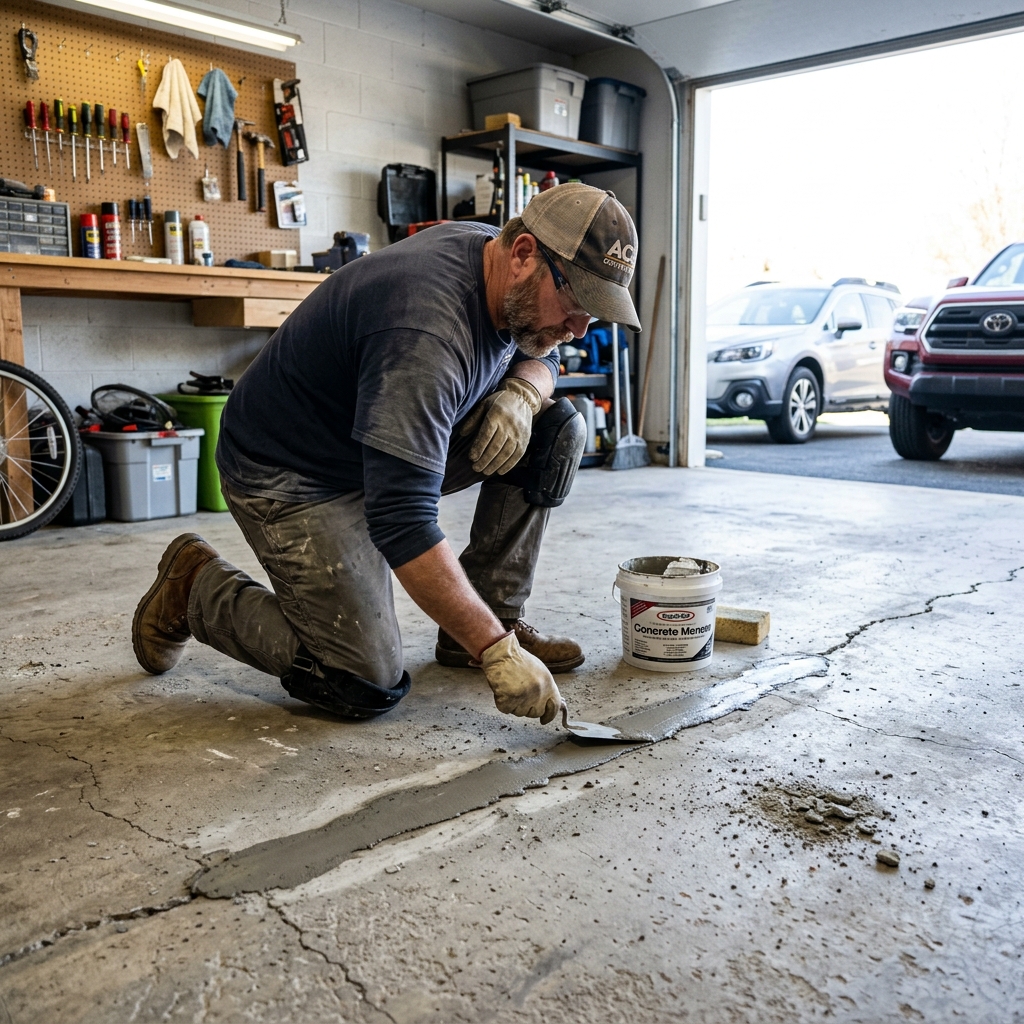
- Cracking or Chipping: Cracks can appear due to impact from dropped heavy objects, excessive weight, or structural movement in the concrete slab itself. Hairline cracks might be cosmetic, but wider or propagating cracks often indicate a more serious underlying issue with the concrete or significant stress on the epoxy layer. Chipping typically results from localized impact or inadequate adhesion around edges or high-traffic areas.
- Yellowing or Discoloration: Epoxy resin, especially standard aliphatic varieties, can yellow over time when exposed to ultraviolet (UV) light. This is particularly prevalent in garages, showrooms with large windows, or any area in Tampa that receives direct, intense sunlight. While often cosmetic, it diminishes the floor's original aesthetic. Chemical spills or improper cleaning agents can also cause localized discoloration.
- Blistering or Bubbling: These small, raised imperfections can occur when air or moisture gets trapped beneath the epoxy during curing. In Tampa's humid environment, rapid curing due to high temperatures or insufficient ventilation can exacerbate this, as can moisture rising from the concrete slab.
- Dullness or Wear Spots: Over time, constant foot traffic, vehicle movement, or abrasive materials can cause the epoxy's glossy finish to dull and wear thin in certain areas. While normal wear is expected, excessive dullness or visible wear-through indicates that the protective layer is compromised, making the floor more susceptible to further damage. If you're noticing these issues, whether in Tampa or even in nearby St. Petersburg, it's crucial to act swiftly.
How Do Tampa's Climate and Environment Affect Epoxy Floors?
Tampa's unique subtropical climate, characterized by high temperatures and humidity, plays a significant role in the longevity and performance of epoxy flooring. Understanding these environmental factors is crucial for proper installation and maintenance.
- High Humidity and Moisture: Perhaps the most critical factor in Tampa. Our high atmospheric humidity means that concrete slabs are more prone to moisture vapor transmission. If not properly tested and mitigated before epoxy application, this can lead to severe delamination and blistering. Professional installers always perform moisture tests to ensure the slab is ready.
- Intense UV Radiation: With abundant sunshine year-round, UV radiation is a constant concern. Standard epoxy resins can yellow and degrade under prolonged sun exposure. For areas like garages, patios, or commercial spaces with direct sunlight, it's essential to use UV-stable topcoats or specialized epoxy formulations designed to resist yellowing.
- Heat and Thermal Expansion: While epoxy is resilient to temperature fluctuations, extreme heat can affect its curing process if not managed correctly. Over time, significant temperature swings can contribute to stress on the concrete and, consequently, the epoxy, potentially leading to cracks if the foundation is unstable.
- Salt Air Proximity: For properties close to the Gulf Coast or Tampa Bay, the presence of salt in the air can be a minor factor. While epoxy is highly resistant to corrosive elements, any existing cracks or compromised areas could expose the concrete to salt, leading to deterioration over many years.
- Heavy Foot and Vehicle Traffic: As a growing metropolitan area, many Tampa businesses and homes experience significant traffic. While epoxy is extremely durable, constant abrasive forces will eventually cause wear and tear, especially if the protective topcoat is not maintained. This applies to residential garages from properties in Hyde Park to commercial facilities in other Tampa neighborhoods.
When Is It Time to Repair vs. Replace Your Epoxy Floor in Tampa?
Deciding whether to repair or completely replace your epoxy flooring in Tampa depends on several factors, including the extent of the damage, its underlying cause, and your budget. A professional assessment is invaluable in making the right choice.
Repair Scenarios:
Repairs are typically feasible and cost-effective for localized, minor issues.
- Isolated Cracks or Chips: Small cracks or chips can often be patched and sealed, then blended with the existing floor, especially if the underlying concrete is sound.
- Minor Delamination: If delamination is limited to a small, contained area and the root cause (e.g., a localized moisture issue) can be addressed, a targeted repair might be possible.
- Surface Dullness or Minor Stains: If the primary issue is a lack of shine or minor staining, a new clear topcoat or a deep cleaning and polishing can often restore the floor's appearance and protection.
Replacement Scenarios:
Replacement becomes the more prudent option when damage is widespread, severe, or indicates fundamental issues.
- Widespread Delamination: If large sections of your epoxy are peeling or delaminating, it often points to a systemic failure, likely due to pervasive moisture issues or improper installation over the entire area. A full replacement allows for proper concrete preparation and moisture mitigation.
- Extensive Cracking: Numerous or large cracks, especially if they are growing, suggest significant issues with the concrete slab itself. Simply patching the epoxy won't resolve the structural problem, making a full replacement (and concrete repair) necessary.
- Significant Yellowing/Discoloration: While cosmetic, widespread yellowing due to UV exposure or chemical damage often indicates that the protective qualities of the epoxy are compromised, justifying a full aesthetic and functional upgrade.
- Repeated Problems: If you're consistently facing the same issues despite repairs, it's often more cost-effective in the long run to invest in a complete, properly installed new epoxy system.
The cost difference between repair and replacement can be substantial. Minor repairs are generally a fraction of the cost of a full replacement. However, opting for repeated, ineffective repairs can quickly exceed the cost of a comprehensive replacement that provides a long-term solution. Tampa Epoxy Flooring Pros can provide clear, transparent estimates for both options.
What to Expect from a Professional Epoxy Floor Inspection in Tampa?
When you contact Tampa Epoxy Flooring Pros about issues with your epoxy floor, our process is designed to be thorough, transparent, and focused on providing the best solution for your specific situation. Here’s what you can expect during a professional inspection:
- Initial Consultation: We start by discussing the problems you’ve observed, the history of your floor, its usage, and any concerns you might have. This helps us understand the context before we even look at the floor.
- Visual Assessment: Our experienced technicians will conduct a detailed visual inspection, carefully noting all visible signs of damage such as cracks, chips, delamination, discoloration, and wear patterns. We pay close attention to areas of high traffic or moisture exposure.
- Moisture Testing: Crucial for Tampa’s climate, we utilize advanced moisture meters and/or calcium chloride tests to accurately measure the moisture vapor transmission rate (MVTR) from your concrete slab. This helps identify if moisture is an underlying cause of issues like blistering or peeling.
- Adhesion Testing: For existing epoxy, we may perform adhesion tests to determine how well the coating is bonded to the concrete. This helps us understand the integrity of the original installation.
- Substrate Evaluation: We’ll assess the condition of the concrete subfloor for any structural issues, such as deep cracks, spalling, or efflorescence, which could be contributing to the epoxy’s problems.
- Detailed Report and Recommendations: Following the inspection, you’ll receive a comprehensive report outlining our findings. This report will clearly explain the identified problems, their probable causes, and our recommended solutions. We’ll present you with clear options, whether it’s a targeted repair, a re-coat, or a full replacement, along with transparent cost estimates and timelines.
- Expert Advice and Preventative Measures: Beyond addressing current issues, we’ll provide you with expert advice on proper maintenance and preventative measures tailored to Tampa’s environment to help extend the life of your epoxy flooring.
Why Choose Tampa Epoxy Flooring Pros for Your Flooring Solutions?
Choosing the right professionals for your epoxy flooring needs in Tampa, FL, is paramount. At Tampa Epoxy Flooring Pros, we combine local expertise with unparalleled craftsmanship to deliver solutions that last.
- Local Knowledge: We understand the unique challenges that Tampa’s climate, from its humidity to its intense sun, poses to epoxy flooring. Our solutions are designed with these specific environmental factors in mind.
- Experienced Technicians: Our team comprises highly trained and certified professionals who use industry-leading techniques and premium materials to ensure superior results, whether it’s a complex repair or a brand-new installation.
- Advanced Moisture Mitigation: Given Tampa’s prevalent moisture issues, we specialize in advanced moisture vapor barrier systems, ensuring your epoxy adheres properly and resists delamination for years to come.
- Comprehensive Services: From initial inspection and precise diagnosis to expert repairs, re-coats, and full installations, we offer a complete suite of epoxy flooring services. Our services extend throughout the Tampa Bay area, including neighborhoods like Palma Ceia, ensuring comprehensive coverage.
- Customer-Centric Approach: Your satisfaction is our top priority. We believe in clear communication, transparent pricing, and delivering durable, beautiful epoxy floors that exceed your expectations.
Don't let minor epoxy floor issues become major headaches. If you’re noticing any warning signs on your Tampa epoxy floor, contact Tampa Epoxy Flooring Pros today for a professional inspection and a free, no-obligation quote. Let us restore the integrity and beauty of your flooring with our expert local service.
Need Professional Assistance?
Get a free, no-obligation estimate from our expert local team today.