Spotting the Signs: When Your Tampa Epoxy Floor Needs Professional Attention
When your Tampa epoxy floor shows signs like cracking, peeling, or dullness, it's crucial to seek professional assessment promptly. These issues often indicate underlying problems that, if left unaddressed, can lead to more extensive damage, compromising safety, aesthetics, and requiring more significant investment in the long run.
Epoxy flooring is renowned for its durability, aesthetic appeal, and long lifespan, making it a popular choice for homes and businesses across Tampa, FL. However, like any surface, it's not indestructible. High traffic, heavy impacts, chemical spills, and even the unique climate challenges of the Tampa Bay area can take their toll over time. Recognizing the early warning signs of epoxy floor damage is key to preserving your investment and avoiding more extensive, costly repairs down the line. As your local epoxy flooring specialists, we’re here to help you understand what to look for and when to call in the professionals.
What Are the Common Warning Signs of Epoxy Floor Damage in Tampa?
Identifying problems early can save you significant time and money. Here are the most common indicators that your epoxy floor in Tampa might need professional attention:
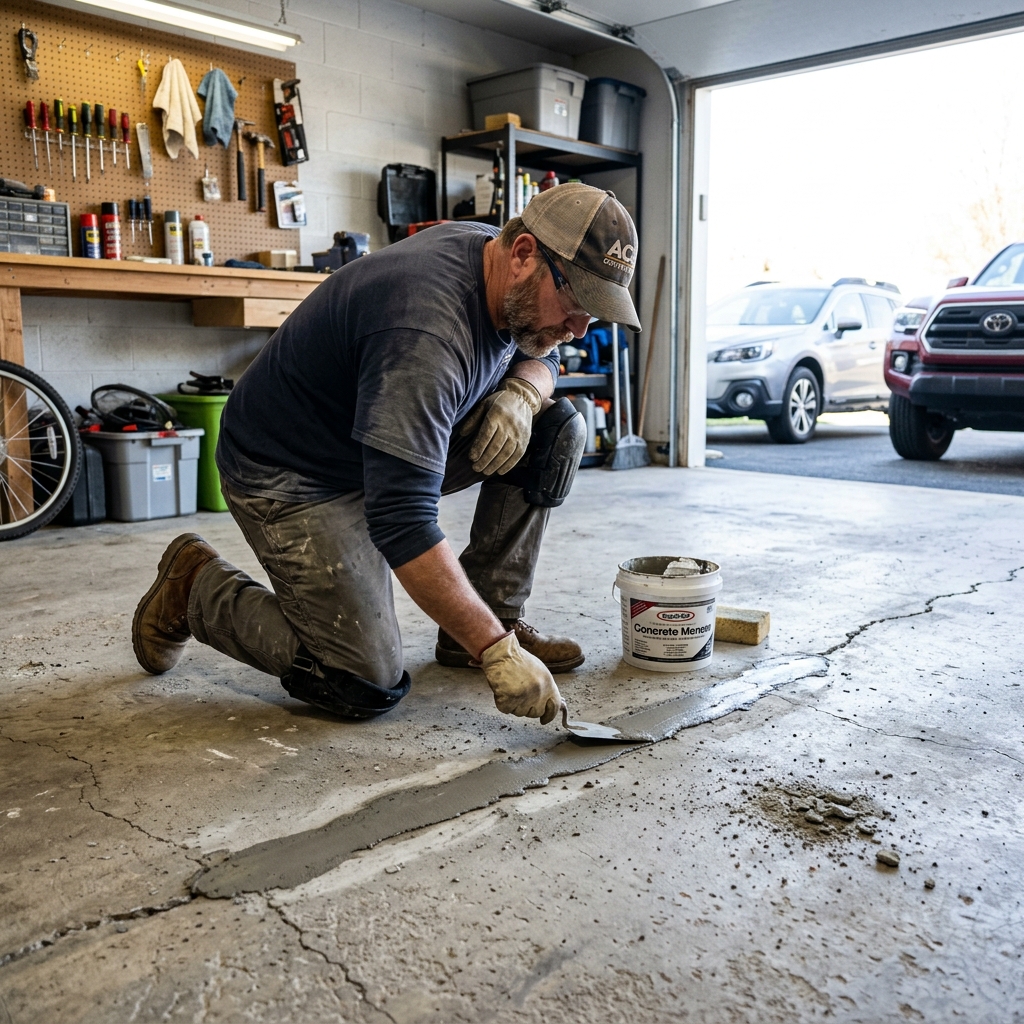
- Cracking: Small hairline cracks can often be a natural part of a floor's expansion and contraction, especially in a climate like Tampa's where temperatures fluctuate. However, larger, deeper, or spreading cracks can indicate issues with the subfloor, heavy impact damage, or improper installation. These can compromise the integrity and waterproofing of your floor.
- Peeling or Delamination: This is arguably one of the most frustrating issues, where the epoxy layer begins to lift away from the concrete subfloor. Peeling often starts at edges or in high-traffic areas. Common causes include improper surface preparation (e.g., moisture in the concrete, insufficient cleaning, or inadequate profiling) or a faulty epoxy application process. The humid conditions in Tampa can exacerbate moisture-related issues if not properly addressed during installation.
- Bubbling or Blistering: These small, raised bumps can appear on the surface of the epoxy. They are typically caused by trapped air or moisture trying to escape from the concrete slab during or after installation. High humidity, rapid temperature changes, or outgassing from the concrete are frequent culprits in Florida's environment.
- Dullness or Fading: While some wear and tear are normal over years of use, excessive dullness, discoloration, or fading in certain areas can indicate a breakdown of the top coat due to UV exposure (common near windows or in outdoor applications), chemical exposure, or simply heavy abrasive traffic. This diminishes the floor's aesthetic appeal and protective qualities.
- Chips or Gouges: These are usually a result of heavy impacts from dropped tools, machinery, or sharp objects. While epoxy is tough, it's not impervious to concentrated force. Small chips might be localized, but if they occur frequently, they can compromise the surrounding area and lead to further damage.
- Uneven Wear or Abrasions: If certain areas of your floor show significantly more wear than others, it could point to high traffic patterns or an insufficient topcoat. This not only looks bad but also means the protective layer is thinning, making the concrete beneath more vulnerable.
Why Does Epoxy Flooring Fail in Tampa's Climate?
Tampa's unique environmental conditions play a significant role in how epoxy flooring performs and ages. Understanding these factors can help in diagnosis and prevention:
- High Humidity: Florida's notoriously high humidity is a primary concern. If concrete is not properly tested for moisture content before epoxy application, trapped moisture can lead to bubbling, blistering, and delamination as it tries to escape. Professionals in Tampa utilize specialized moisture meters and apply vapor barriers when necessary.
- Temperature Fluctuations: While not as extreme as some northern climates, Tampa still experiences seasonal temperature shifts. Concrete expands and contracts with temperature changes, and if the epoxy isn't flexible enough or properly applied, this movement can lead to cracking.
- UV Exposure: Many garages and commercial spaces in Tampa have large windows or open bays. Direct and prolonged exposure to ultraviolet (UV) light can cause certain types of epoxy (especially older formulations or those not designed for UV resistance) to yellow, chalk, or degrade over time, leading to dullness and fading.
- Heavy Foot/Vehicle Traffic: Commercial spaces, garages, and industrial facilities in and around Tampa, Riverview, or even Brandon, endure constant wear. Without a sufficiently thick or high-quality topcoat, even the most durable epoxy will show signs of abrasion, scratching, and dullness from heavy use.
- Chemical Spills: Garages, workshops, and industrial sites often encounter chemicals like oil, gasoline, cleaning agents, and more. While epoxy is generally resistant, prolonged exposure to certain aggressive chemicals can break down the surface, leading to etching, staining, or softening.
- Improper Installation: This is arguably the root cause of many epoxy flooring failures. Shortcuts in surface preparation (e.g., not properly cleaning, grinding, or acid etching the concrete), incorrect mixing ratios of epoxy components, or application in unsuitable environmental conditions (like high humidity or extreme temperatures) can severely compromise the bond and longevity of the floor.
What to Expect During a Professional Epoxy Floor Inspection?
When you notice any of the warning signs, contacting a local expert like Tampa Epoxy Flooring Pros for an inspection is the best next step. Here's what our professional assessment typically involves:
- Initial Consultation: We'll discuss your concerns, the history of the floor, and specific areas of damage you've observed.
- Visual Assessment: Our technicians will thoroughly inspect the entire epoxy surface, looking for cracks, peeling, bubbles, and other visible imperfections. We pay close attention to high-traffic areas, edges, and areas exposed to sunlight or chemicals.
- Moisture Testing: Crucially for Tampa's climate, we will perform specialized moisture tests on your concrete subfloor. This helps determine if excess moisture is present and contributing to delamination or bubbling issues.
- Adhesion Testing: In areas where peeling or delamination is suspected, we may perform an adhesion test to assess how well the epoxy is bonded to the concrete.
- Subfloor Evaluation: We'll check the underlying concrete for signs of structural issues, cracks, or imperfections that might be affecting the epoxy layer. This could involve examining expansion joints and checking for levelness.
- Detailed Report and Recommendations: Following the inspection, you'll receive a comprehensive report outlining our findings, the probable causes of the damage, and clear recommendations for repair or replacement. We'll provide transparent pricing and timelines. For properties in areas like Davis Islands, where specific aesthetic or regulatory considerations might apply, we tailor our recommendations accordingly.
Repair vs. Replace: Making the Right Decision for Your Tampa Property
Once the inspection is complete, the critical decision is whether to repair the existing epoxy or opt for a full replacement. This choice depends on several factors:
- Severity and Extent of Damage: Small, localized cracks, chips, or minor peeling can often be effectively repaired. Our team can patch, re-coat, or apply localized fixes that blend seamlessly with the existing floor. However, if the damage is widespread (e.g., significant delamination across a large area, extensive cracking, or severe subfloor issues), a full replacement might be more cost-effective in the long run.
- Age of the Floor: An older epoxy floor that is showing generalized wear might be nearing the end of its life cycle. While repairs can extend its life, a full replacement could provide a fresh start with modern, more durable epoxy systems.
- Budget: Repairs are typically less expensive than a full replacement. We provide clear, itemized quotes for both options, allowing you to make an informed financial decision.
- Desired Outcome: If you're looking for a complete aesthetic overhaul, a change in color, or a significant upgrade in performance (e.g., increased chemical resistance or slip resistance), a full replacement might be the preferred route. If you just need to address a few problem areas to restore functionality and appearance, repair is a viable option.
- Underlying Causes: If the damage is due to fundamental issues like a compromised subfloor or persistent moisture problems, these underlying issues must be addressed first. In such cases, a complete overhaul, including subfloor remediation, may be necessary before applying new epoxy.
Don't let minor epoxy floor issues escalate into major problems. Proactive inspection and timely intervention are crucial for maintaining the beauty, safety, and longevity of your investment. Whether you're dealing with a few unsightly cracks or significant peeling, the experts at Tampa Epoxy Flooring Pros are here to provide honest assessments and effective solutions tailored to your specific needs and the unique demands of the Tampa climate.
Ready to restore your epoxy floor's pristine condition? Contact Tampa Epoxy Flooring Pros today for a professional inspection and a no-obligation quote. Let us help you protect your investment and ensure your floor continues to perform beautifully for years to come. Call us now!
Need Professional Assistance?
Get a free, no-obligation estimate from our expert local team today.