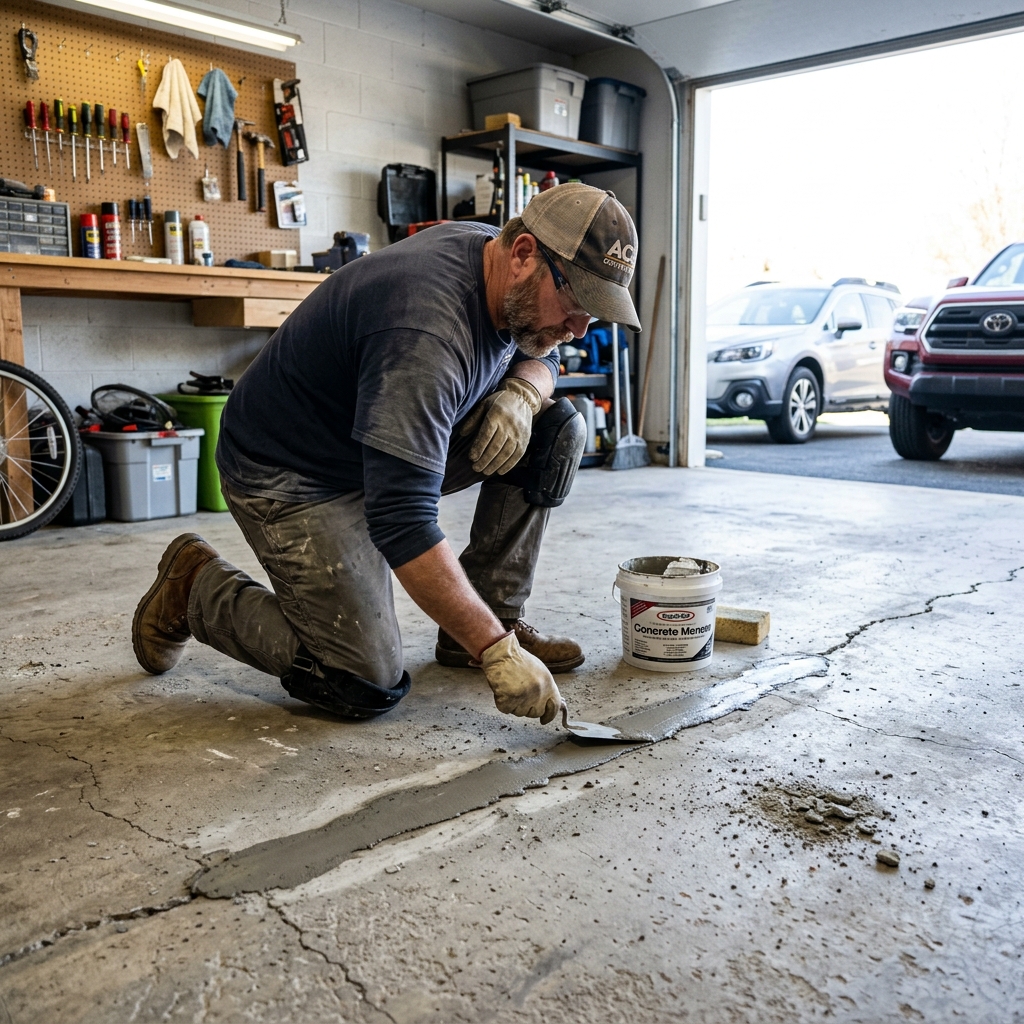
Tampa Epoxy Flooring Problems: Identify, Repair, Or Replace for Lasting Results
Epoxy flooring is renowned for its durability, aesthetic appeal, and resistance to chemicals and abrasions, making it a popular choice for garages, commercial spaces, and industrial environments across Tampa, FL. However, even the most robust epoxy systems can encounter problems over time. Understanding these common issues, especially in Tampa's unique climate, is vital for maintaining your investment. Knowing when to call a professional for repair versus considering a full replacement can save you significant time and money, ensuring your floors continue to perform and look their best.
What are the Most Common Epoxy Flooring Problems in Tampa, FL?
While epoxy floors are tough, they are not invincible. Several issues can arise, often linked to installation quality, usage, or environmental factors. In Tampa, specific conditions can exacerbate certain problems.
- Peeling and Delamination: This is arguably the most common and frustrating problem. Peeling occurs when the epoxy coating lifts from the concrete substrate.
- Causes: Improper surface preparation (e.g., not cleaning or profiling the concrete adequately), moisture trapped in the slab, or applying epoxy over an existing sealant.
- Tampa Factor: High humidity in Tampa can contribute to moisture issues in concrete, making proper moisture testing and vapor barrier application critical during installation.
- Cracking and Chipping: While epoxy provides a protective layer, significant impact or movement in the concrete slab beneath can cause the epoxy to crack or chip.
- Causes: Heavy objects dropping, extreme thermal expansion/contraction of the concrete, or structural shifts in the foundation.
- Blistering and Bubbling: Small, raised bumps or bubbles can appear on the epoxy surface.
- Causes: Trapped air or moisture trying to escape from the concrete during curing, rapid curing due to high temperatures, or applying epoxy too thickly.
- Tampa Factor: High ambient temperatures and humidity can accelerate curing, requiring experienced installers to manage application conditions carefully.
- Dullness and Fading: Over time, a once-glossy epoxy floor can lose its shine and appear dull, or its color can fade.
- Causes: Heavy traffic, abrasive cleaning methods, prolonged exposure to UV light (sunlight), or chemical spills.
- Tampa Factor: Intense Florida sun can cause UV degradation, leading to yellowing or fading, especially in areas with direct sunlight exposure like garage entrances.
- Yellowing: Certain epoxy types, particularly those not formulated for UV stability, can develop a yellowish tint.
- Causes: UV exposure, often seen in transparent or light-colored epoxy coatings.
How Does Tampa's Environment Impact Epoxy Floors?
Tampa's subtropical climate, characterized by high temperatures and significant humidity, presents unique challenges for epoxy flooring. These environmental factors must be considered during both installation and maintenance.
- High Humidity: As mentioned, excessive moisture in the concrete slab is a primary enemy of epoxy adhesion. Tampa's high ambient humidity can lead to moisture vapor transmission (MVT) issues. If not properly tested for and mitigated, this moisture can lead to peeling, blistering, and delamination. Professional installers in Tampa understand the necessity of thorough moisture testing and, if required, the application of moisture mitigation systems.
- Intense UV Exposure: The Florida sun is powerful. Floors exposed to direct or indirect sunlight can suffer from UV degradation. This typically manifests as yellowing in clear or light-colored epoxies, and fading or chalking in pigmented coatings. Using UV-stable topcoats, like polyaspartic or specific urethane topcoats, is often recommended for exterior applications or areas with significant sun exposure to prevent this.
- Heat: High ambient temperatures can affect the epoxy's pot life and curing time. If not managed by experienced technicians, rapid curing can lead to imperfections like blistering or an uneven finish. Installers must adjust their techniques and formulations to suit Tampa's specific temperature profiles, ensuring optimal adhesion and finish.
- Heavy Rain and Storms: While not directly damaging to interior epoxy floors, heavy rainfall can contribute to moisture issues in concrete slabs if drainage around a property is poor, potentially impacting basement or ground-level epoxy applications.
When Should You Repair Your Epoxy Floor vs. Consider Replacement?
Deciding between repairing a damaged epoxy floor and undertaking a full replacement depends on the severity, extent, and underlying cause of the damage. A professional assessment is crucial for this decision.
When to Consider Repair:
Minor, localized issues can often be effectively and cost-efficiently repaired. This is ideal for:
- Small Cracks or Chips: Isolated damage from impacts, often found in specific areas. These can be filled with epoxy patch materials and then re-coated.
- Localized Peeling: If peeling is confined to a small area (e.g., less than 20% of the total surface), often due to a specific imperfection in preparation, it can be ground down, re-primed, and re-coated.
- Superficial Dullness or Abrasion: If the floor has lost its shine but the underlying epoxy is intact, a simple cleaning and application of a fresh topcoat can restore its luster.
- Minor Stains or Discoloration: Depending on the stain, specialized cleaning or a localized re-coat might suffice.
Repairs are generally less invasive, quicker to complete, and more budget-friendly. However, they are only viable if the underlying concrete substrate is sound and the root cause of the damage (e.g., moisture) has been addressed. For property owners in Oldsmar facing localized issues, a targeted repair can significantly extend the life of their epoxy floor.
When to Consider Replacement:
Replacement becomes the better option when the damage is widespread, severe, or indicative of a fundamental failure in the original installation or substrate.
- Widespread Delamination: If a significant portion of the epoxy coating is peeling or lifting from the concrete, it often indicates systemic issues like pervasive moisture or poor initial surface preparation across the entire floor. Attempting to patch numerous small areas might be less effective and more costly than a full re-do.
- Extensive Cracking in the Substrate: If the concrete slab itself has severe structural cracks or is significantly deteriorated, merely repairing the epoxy won't solve the underlying problem. The concrete must be repaired or replaced first, necessitating a full epoxy removal and reinstallation.
- Severe Yellowing or Degradation: If the epoxy has yellowed extensively due to UV exposure or has significantly degraded across a large area, a full replacement ensures a uniform, aesthetically pleasing, and protective new surface.
- Fundamental Installation Flaws: In cases where the original epoxy was installed incorrectly, leading to consistent, recurring issues that repairs cannot fully address, a complete removal and proper reinstallation by experienced professionals is the best long-term solution.
While more involved and costly upfront, a full replacement provides a brand-new, robust floor that addresses all underlying issues, offering peace of mind and superior longevity.
What to Expect During a Professional Epoxy Flooring Inspection in Tampa?
When you contact Tampa Epoxy Flooring Pros for an assessment, our process is designed to be thorough and transparent, ensuring you receive the most accurate diagnosis and effective solution.
- Initial Visual Assessment: Our technicians will carefully inspect your epoxy floor, noting the type and extent of damage, identifying patterns of wear, and observing any potential environmental factors contributing to the issues.
- Moisture Testing: Crucial for Tampa properties, we will conduct rigorous moisture tests on your concrete slab. This involves using specialized meters and potentially calcium chloride tests to measure moisture vapor transmission rates. Identifying and quantifying moisture is paramount to preventing future peeling or blistering.
- Adhesion Testing: For existing epoxy, we may perform adhesion tests to determine how well the current coating is bonded to the concrete. This helps us understand if delamination is a widespread issue or localized.
- Substrate Evaluation: We will examine the condition of your concrete slab for cracks, unevenness, spalling, or other structural deficiencies that could impact the epoxy's performance.
- Problem Diagnosis & Recommendation: Based on our findings, we will provide a clear explanation of the identified problems, their likely causes, and a detailed recommendation for either repair, re-coating, or full replacement. We'll discuss the pros and cons of each option in the context of your specific situation and budget.
- Transparent Cost Estimate: You'll receive a comprehensive, no-obligation quote outlining the scope of work, materials, timeline, and associated costs. Our goal is to empower you with all the information needed to make an informed decision for your flooring investment.
Our inspection process is meticulous because we believe in providing long-lasting solutions, whether you're in North Tampa or a neighboring community, ensuring your epoxy floor performs optimally for years.
Why Choose Tampa Epoxy Flooring Pros for Your Flooring Needs?
When facing epoxy flooring problems in the Tampa Bay area, choosing the right professionals makes all the difference. Tampa Epoxy Flooring Pros stands out for several compelling reasons:
- Local Expertise: We deeply understand Tampa's unique climate challenges – from high humidity to intense UV exposure – and tailor our solutions to ensure maximum durability and longevity for your floors.
- Experienced & Licensed Technicians: Our team comprises highly skilled, licensed, and insured professionals with extensive experience in epoxy flooring installation, repair, and restoration. We use industry best practices and cutting-edge techniques.
- Quality Materials: We utilize only premium-grade epoxy systems and topcoats, ensuring superior adhesion, chemical resistance, and aesthetic appeal that stands the test of time.
- Comprehensive Solutions: From minor patch repairs and re-coats to complete epoxy removal and new installations, we offer a full spectrum of services to address any flooring problem effectively.
- Customer-Centric Approach: We prioritize clear communication, transparent pricing, and unparalleled customer satisfaction. Your peace of mind is our top priority, and we strive to exceed your expectations on every project.
Don't let minor epoxy flooring issues become major headaches. If you're in Tampa, FL, or surrounding communities like Apollo Beach, and have concerns about your epoxy floor, contact Tampa Epoxy Flooring Pros today for a comprehensive inspection and expert solutions. Protect your investment and ensure your floors look their best for years to come. Call us for a consultation!
Need Professional Assistance?
Get a free, no-obligation estimate from our expert local team today.