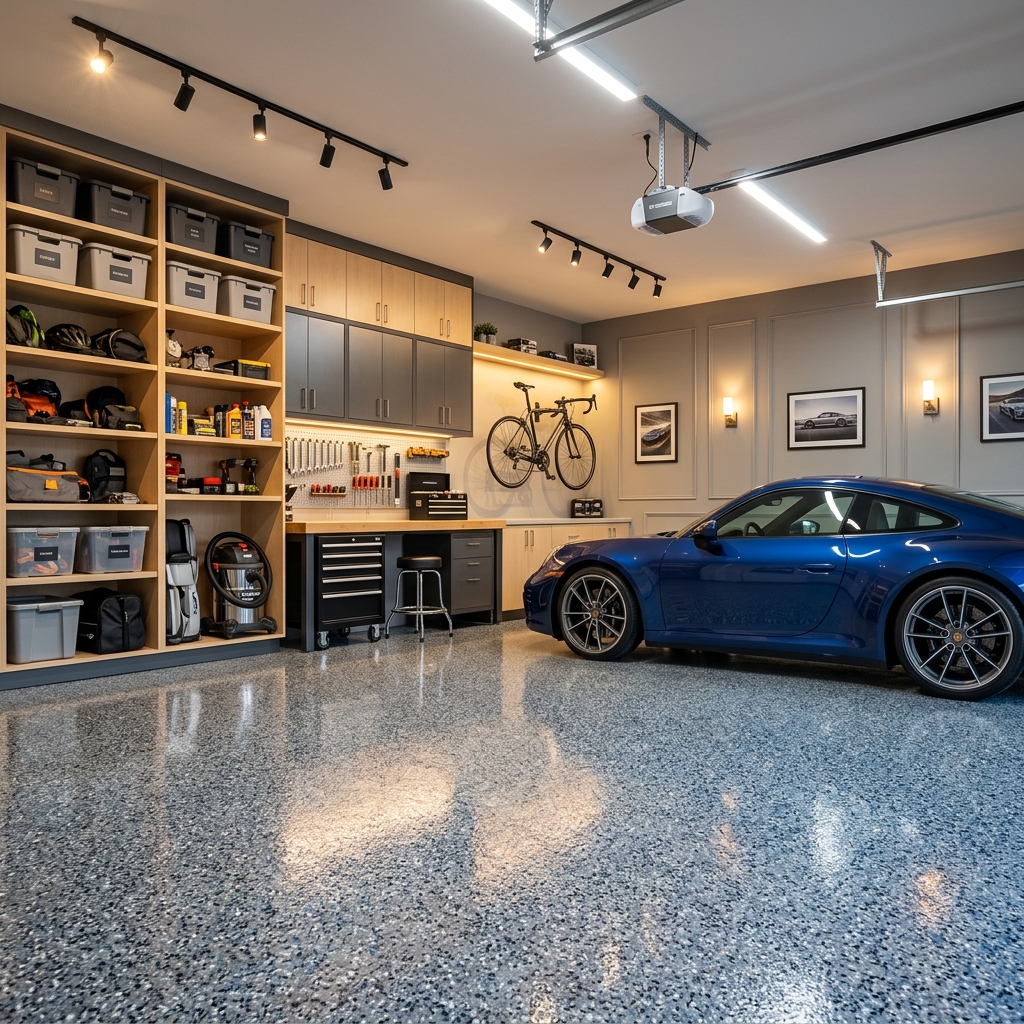
Tampa Epoxy Floor Damage: When to Repair, When to Replace – Local Expert Guide
What Are Common Epoxy Floor Problems in Tampa?
Tampa's unique climate and bustling commercial activity present specific challenges for epoxy flooring. Understanding these issues is the first step in deciding whether to repair or replace your surface:
- High Humidity & Moisture Intrusion: Our coastal environment means high humidity is a constant. If not properly installed with a robust moisture vapor barrier, epoxy can delaminate or bubble due to moisture rising from the concrete slab. This is a common issue we see across Tampa and in surrounding areas like Plant City.
- UV Exposure & Fading: While modern epoxy formulations offer better UV resistance, prolonged exposure to the intense Florida sun can still lead to yellowing, chalking, or fading, especially in garages, outdoor patios, or commercial spaces with large windows.
- Impact Damage & Abrasions: From dropped tools in a workshop to heavy foot traffic in a retail store or forklifts in a warehouse, epoxy floors can suffer scratches, chips, or gouges. While incredibly durable, no floor is impervious to extreme impact.
- Chemical Stains & Etching: Despite epoxy's chemical resistance, prolonged exposure to harsh acids, solvents, or certain industrial chemicals without immediate cleanup can lead to permanent staining or etching, compromising the floor's protective layer.
- Substrate Issues: Cracks in the underlying concrete slab will almost always translate to cracks in the epoxy if not addressed properly before installation. Shifting foundations or severe substrate damage can necessitate more than just a surface repair.
How Do I Know if My Epoxy Needs Repair or Replacement?
Distinguishing between minor damage that can be repaired and critical failure requiring a full replacement is key to a sound investment. Here's what our Tampa epoxy specialists look for:
Signs Requiring Professional Repair:
- Minor Cracks & Chips: Small hairline cracks or isolated chips (less than 6 inches) that haven't spread can often be patched and recoated.
- Surface Scratches & Dulling: Superficial scratches or a general loss of sheen can usually be restored with a new topcoat application after proper cleaning and preparation.
- Small Delaminated Areas: If only a small, contained section of epoxy has lifted from the concrete, it might be possible to remove the affected area, re-prime, and apply new epoxy, blending it with the existing floor.
- Localized Stains: If stains are limited to a small area and haven't deeply penetrated or compromised the epoxy's integrity, localized treatment or patching may be effective.
Signs Indicating a Potential Replacement:
- Widespread Delamination or Bubbling: Extensive areas where the epoxy has separated from the concrete, often indicative of severe moisture issues or improper installation, typically require complete removal and reapplication.
- Deep & Extensive Cracking: Cracks that run deep into the substrate or spiderweb across a large area suggest underlying structural problems that a simple patch cannot fix. The concrete itself may need repair before new epoxy can be laid.
- Severe Chemical Damage & Pitting: If corrosive chemicals have extensively eaten away at the epoxy, creating widespread pitting or compromise of the protective layer, the floor's integrity is lost, and replacement is the safer option.
- Significant UV Degradation: If a large section of the floor has severely yellowed, become brittle, or is chalking due to sun exposure, a full replacement will ensure uniform color and renewed protection.
- Aging & Wear Beyond Repair: After many years of heavy use, an epoxy floor may simply reach the end of its functional life, exhibiting a combination of all these issues. Attempting to repair multiple widespread problems can be more costly and less effective than a fresh start.
The Cost of Epoxy Repair vs. Replacement in Tampa
Cost is a significant factor in the repair vs. replace decision. In Tampa, FL, several variables influence pricing:
- Scope of Damage: Small, localized repairs are generally much less expensive than a full replacement.
- Type of Epoxy System: Some specialized epoxy systems (e.g., metallic, flake, or high-build industrial coatings) may have higher repair costs due to material and skill requirements.
- Substrate Condition: If the underlying concrete needs extensive repair (crack filling, grinding, moisture mitigation), this adds significantly to the overall cost, especially for replacements.
- Preparation Work: For replacements, the cost of removing the old epoxy and preparing the concrete is a major component of the project. This is often the most labor-intensive part.
- Accessibility: Difficult-to-access areas or spaces requiring special equipment may incur additional labor costs.
While an initial repair might seem cheaper, repeatedly patching a failing floor can quickly exceed the cost of a durable, long-term replacement. Our experts at Tampa Epoxy Flooring Pros provide transparent quotes, detailing all aspects of the repair or replacement, ensuring you make an informed decision for your Tampa property, whether you're in downtown or even considering an upgrade for a business on Davis Islands.
What to Expect During a Professional Epoxy Inspection
When you contact Tampa Epoxy Flooring Pros for an assessment, our process is thorough and designed to give you clarity:
- Initial Consultation: We'll discuss your concerns, the history of the floor, and your goals for its repair or replacement.
- Visual Inspection: Our technicians will meticulously examine the entire floor surface, identifying all areas of damage, discoloration, and structural issues.
- Moisture Testing: Using specialized equipment, we'll test for moisture vapor transmission (MVT) from the concrete slab, a common culprit for epoxy failure in humid climates like Tampa's.
- Adhesion Testing: In some cases, we may perform a pull-off adhesion test to measure how well the existing epoxy is bonded to the concrete.
- Substrate Assessment: We'll evaluate the condition of the concrete slab itself, looking for cracks, spalling, or unevenness that might affect a new coating.
- Detailed Recommendation & Quote: Based on our findings, we'll provide a comprehensive report outlining the recommended course of action (repair or replacement), the methodology, material specifications, and a transparent, no-obligation quote.
Don't let damaged epoxy flooring compromise the safety, appearance, or value of your Tampa property. Our team is equipped with the expertise and technology to accurately diagnose issues and provide lasting solutions.
Ready to restore your epoxy floor to its former glory or upgrade to a brand-new, resilient surface? Contact Tampa Epoxy Flooring Pros today for a professional, no-obligation inspection and quote. We're your trusted local experts for all epoxy repair and replacement needs in Tampa, FL!
Need Professional Assistance?
Get a free, no-obligation estimate from our expert local team today.