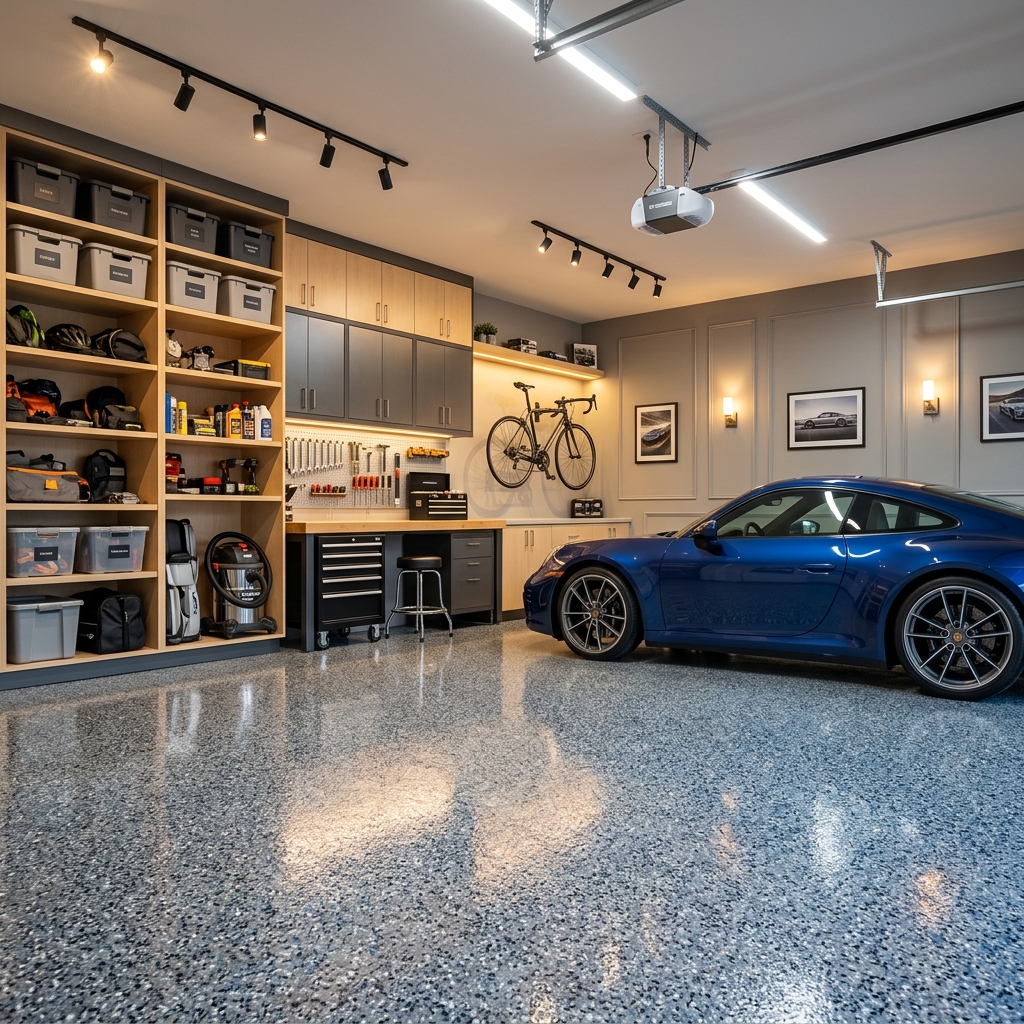
Epoxy Floor Recoating vs. Replacement: The Smart Choice for Your Tampa Home
For Tampa homeowners facing wear and tear on their epoxy floors, deciding between recoating and full replacement is crucial for cost-effectiveness and longevity. Recoating is ideal for surfaces with minor cosmetic damage and intact adhesion, offering a fresh, protective layer. Full replacement is necessary for floors with significant damage, delamination, or substrate issues, ensuring a durable, long-term solution for your investment.
Epoxy flooring is renowned for its durability, aesthetic appeal, and resistance to chemicals and abrasions, making it a popular choice for garages, patios, and even interior spaces across Tampa, FL. However, like any surface, it will eventually show signs of wear. When your once-pristine epoxy floor starts to look dull, scratched, or even peel, you're faced with a critical decision: should you opt for a less invasive recoating, or is it time for a complete overhaul? Understanding the nuances between these two options is vital for making an informed decision that protects your investment and ensures the longevity of your floor.
What's the Difference Between Epoxy Recoating and Replacement?
The distinction between recoating and full replacement lies in the extent of the work and the condition of the existing epoxy system. A clear understanding of each process will help you appreciate the professional recommendations you receive.
- Epoxy Recoating: This process involves preparing the existing epoxy surface by thoroughly cleaning, degreasing, and lightly abrading (sanding) it to create a suitable profile. Once prepared, a new topcoat (or sometimes a new base coat and topcoat) is applied directly over the old, intact epoxy. Recoating revitalizes the floor's appearance, restores its protective qualities, and extends its lifespan without removing the original system. It's a faster, less disruptive, and generally more cost-effective solution.
- Full Epoxy Replacement: This is a more extensive procedure where the existing epoxy coating is completely removed down to the concrete substrate. This typically involves grinding, shot blasting, or chemical stripping. Once the old coating is gone, the concrete is thoroughly prepared, repaired (if needed), and a brand-new epoxy flooring system is applied from scratch, including primers, base coats, and topcoats. Full replacement is essentially installing a new floor, offering a fresh start and addressing any underlying issues with the concrete itself.
The choice between these two depends heavily on the type and severity of damage, as well as the underlying condition of your concrete slab, a factor often influenced by Tampa's unique soil and moisture conditions.
When is Epoxy Floor Recoating the Right Option in Tampa?
Recoating is an excellent solution for epoxy floors that are fundamentally sound but have lost their luster or have suffered minor surface imperfections. Consider recoating if your Tampa epoxy floor exhibits:
- Dullness or Fading: Exposure to UV rays (especially common in sunny Florida garages) and general foot traffic can cause the topcoat to lose its shine. A recoat brings back that vibrant, glossy finish.
- Minor Scratches and Abrasions: If the damage is superficial and hasn't penetrated through the entire epoxy layer, a new topcoat can effectively hide these imperfections and provide renewed protection.
- Good Adhesion: Crucially, the existing epoxy must still be well-bonded to the concrete substrate. If there are no signs of peeling, bubbling, or delamination, a recoat can extend the life of the existing system.
- Desire for a Color Refresh: Sometimes, homeowners simply want to update the color or finish of their epoxy floor without the expense and labor of a full replacement.
For floors that are otherwise in good condition, a professional recoating can significantly extend the life of your epoxy system, providing years of additional beauty and protection at a fraction of the cost of a full replacement. This is particularly appealing for residential garages and patios in communities like Clearwater, where homeowners seek cost-effective ways to maintain their property's appeal.
When Does Your Tampa Epoxy Floor Need Full Replacement?
While recoating is effective for minor issues, certain problems necessitate a complete epoxy floor replacement to ensure long-term durability and safety. You should consider full replacement if you observe any of the following:
- Extensive Delamination or Peeling: If large sections of the epoxy are peeling away from the concrete, it indicates a severe adhesion failure. Applying a new coat over a failing base will only lead to the same problems recurring quickly.
- Bubbling or Blistering: This often points to moisture issues within the concrete slab or improper application. A replacement allows for proper moisture mitigation and thorough surface preparation to prevent recurrence.
- Major Cracks or Pitting in the Concrete: If the underlying concrete itself is severely damaged (cracks, spalling, crumbling), the epoxy system is compromised. A full replacement allows for proper concrete repair and preparation before a new coating is applied.
- Severe Chemical Stains or Damage: While epoxy is resistant, extreme chemical spills or prolonged exposure can damage the coating beyond simple recoating.
- Contamination: If the concrete has been heavily contaminated with oil, grease, or other substances that have leached into the pores, a new coating may not adhere properly without full removal and remediation of the substrate.
- Desire for a Different System: If you want to change the type of epoxy system entirely (e.g., from a solid color to a flake system, or to a more robust chemical-resistant system), replacement is usually the best approach.
In Tampa's humid climate, moisture vapor transmission can be a significant factor in epoxy failure. A full replacement allows professionals to properly address these underlying issues with specialized moisture barriers and superior surface preparation techniques.
The Professional Inspection: Your First Step in Tampa
Determining whether your epoxy floor needs recoating or full replacement is not always straightforward. This is where the expertise of local Tampa epoxy flooring professionals becomes invaluable. A thorough inspection by experienced technicians will assess several critical factors:
- Adhesion Testing: Professionals use specific techniques to test the bond strength of the existing epoxy to the concrete.
- Moisture Assessment: Given Tampa's high humidity, checking for moisture within the concrete slab is paramount. Excess moisture can cause new coatings to fail prematurely.
- Substrate Integrity: They will inspect the concrete for cracks, spalling, levelness, and overall structural soundness.
- Wear Patterns and Damage Extent: A detailed evaluation of the type and severity of wear and damage will guide the recommendation.
- Previous Coating History: Understanding what type of epoxy was previously applied and how it was installed can inform the best course of action.
Based on this comprehensive assessment, our team at Tampa Epoxy Flooring Pros can provide a clear, honest recommendation tailored to your floor's condition and your budget. We believe in providing solutions that offer the best long-term value, whether that's a quick refresh or a complete overhaul for lasting protection.
Protecting Your Investment: Maintenance Tips for Tampa's Climate
Once you've invested in recoating or replacing your epoxy floor, proper maintenance is key to maximizing its lifespan, especially in Tampa's unique environment. Follow these tips:
- Regular Cleaning: Sweep or vacuum frequently to remove dirt and grit that can scratch the surface. Mop with a mild, pH-neutral cleaner and warm water. Avoid harsh chemicals or abrasive cleaners.
- Immediate Spill Cleanup: Epoxies are stain-resistant, but prompt cleanup of oils, chemicals, and colored liquids prevents potential staining or etching.
- Use Mats: Place mats at entryways and in high-traffic areas, or under heavy equipment, to minimize wear and tear.
- Protect from UV: If your epoxy is in an area with direct sunlight, ensure it has a UV-stable topcoat to prevent yellowing or fading.
- Address Moisture: Ensure proper drainage around your property to prevent water from seeping under slabs. Good ventilation in enclosed spaces like garages helps manage humidity.
- Annual Inspections: Consider a professional check-up once a year. Early detection of minor issues can prevent them from escalating into costly repairs.
By following these guidelines, your epoxy floor will continue to perform beautifully for years to come. And if you're in Westchase and notice early signs of wear, don't delay professional assessment. Proactive care saves money and preserves the integrity of your flooring.
Don't let a deteriorating epoxy floor diminish your property's value or functionality. Whether you need a fresh recoat to restore its shine or a full replacement to address deeper issues, Tampa Epoxy Flooring Pros is here to help. Our experienced team provides expert evaluations, transparent recommendations, and flawless installation services throughout Tampa, FL. Contact us today for a free consultation and let us help you make the smart choice for your epoxy flooring!
Need Professional Assistance?
Get a free, no-obligation estimate from our expert local team today.