Why Your Tampa Epoxy Floor Is Peeling: Causes, Solutions & Prevention
Epoxy flooring is renowned for its durability, aesthetic appeal, and resistance to heavy traffic and spills, making it an ideal choice for both residential and commercial spaces across Tampa, FL. However, even the toughest epoxy coatings can encounter problems over time, with peeling and bubbling being among the most common and concerning. When your beautiful, resilient epoxy floor starts to flake or lift, it's more than just an eyesore; it's a clear indicator that something isn't right beneath the surface. Understanding the root causes of these failures is the first step toward finding a lasting solution and restoring your floor's integrity.
What Causes Epoxy Flooring to Peel or Bubble in Tampa?
Tampa's unique climate, characterized by high humidity and occasional heavy rainfall, can be particularly challenging for epoxy installations. While epoxy is incredibly strong, its bond relies heavily on proper application and environmental conditions. Several factors can contribute to epoxy peeling or bubbling, often stemming from issues during installation or environmental stressors:
- Inadequate Surface Preparation: This is arguably the most common culprit. Epoxy requires a clean, dry, and properly profiled substrate to bond effectively. If the concrete isn't thoroughly cleaned of oils, grease, or previous coatings, or if it isn't properly ground (diamond grinding) to create a porous surface, the epoxy won't adhere. In Tampa, moisture within the concrete slab is a significant concern that must be addressed with moisture vapor barrier primers if levels are too high.
- Moisture Vapor Transmission (MVT): High humidity is a constant in Tampa. Moisture vapor rising through the concrete slab can create hydrostatic pressure underneath the epoxy coating. If not mitigated with specialized primers, this pressure can cause the epoxy to lose its bond and bubble or peel, pushing the coating up from below.
- Improper Mixing or Application: Epoxy is a two-part system that requires precise mixing ratios and proper application techniques. Incorrectly mixed components can lead to soft spots, incomplete curing, and ultimately, delamination. Applying epoxy too thickly or too thinly can also compromise its adhesion and durability.
- Contamination During Installation: Dust, debris, or even oil from a compressor can settle on the prepared surface before or during application. Any foreign material between the concrete and the epoxy will act as a bond breaker, leading to peeling.
- Chemical Exposure or Impact Damage: While epoxy is chemical-resistant, prolonged exposure to harsh solvents not intended for the coating, or severe impacts, can compromise its integrity over time, potentially leading to chips that spread into peeling areas.
- Temperature Fluctuations: Extreme temperature changes, though less common as a direct cause in Tampa's consistent warmth, can contribute to expansion and contraction, which, when coupled with other issues, might exacerbate peeling.
How Can I Spot Early Signs of Epoxy Floor Failure?
Catching epoxy flooring issues early can often save you from more extensive and costly repairs. Don't wait until large sections are lifting to address the problem. Keep an eye out for these tell-tale signs:
- Small Bubbles or Blisters: These can indicate localized moisture issues or outgassing from the concrete. If left unaddressed, they can grow and weaken the surrounding bond.
- Minor Cracking: While epoxy is flexible, significant cracking could mean sub-surface movement or foundational issues that are stressing the coating.
- Fading or Discoloration: Although often cosmetic, uneven fading might indicate areas where the topcoat or UV protection is compromised, making the underlying epoxy more vulnerable.
- Dull Spots or Lack of Adhesion: Areas that appear duller than the rest of the floor, especially if they also feel slightly raised or hollow when tapped, suggest the epoxy is beginning to delaminate.
- Edge Peeling: Often starting near walls, expansion joints, or where heavy objects scrape against the floor, edge peeling is a clear sign of adhesive failure.
- "Hot Spots" or Soft Areas: If parts of your floor feel softer or seem to deform under pressure more than others, it could indicate improper curing or chemical attack.
When Should You Call a Professional for Epoxy Floor Problems?
While some minor cosmetic issues might be temporarily overlooked, significant peeling, widespread bubbling, or structural damage warrants immediate professional attention. Attempting DIY fixes on a failing epoxy floor often leads to more extensive problems and greater expense down the line. A professional assessment from experienced local technicians, like those at Tampa Epoxy Flooring Pros, can accurately diagnose the root cause of the issue.
Our team understands the specific challenges that Tampa's climate presents, from high moisture levels to the intense heat. We have the specialized equipment and expertise to:
- Conduct thorough moisture testing: Essential for identifying if hydrostatic pressure is the culprit.
- Perform concrete profiling: Ensuring the existing concrete surface is adequately prepared for repair or re-coating.
- Analyze existing coating failure: Determining if the issue is due to poor adhesion, material defect, or environmental stress.
If you're noticing significant issues, don't delay. Prompt action can save your floor. Whether you're in downtown Tampa or surrounding areas like Apollo Beach, our experts are ready to provide a detailed, no-obligation assessment.
Is Repair Possible, or Do I Need a Full Epoxy Replacement in Tampa?
The decision to repair or replace your epoxy floor hinges on the severity and extent of the damage. A professional evaluation is crucial here.
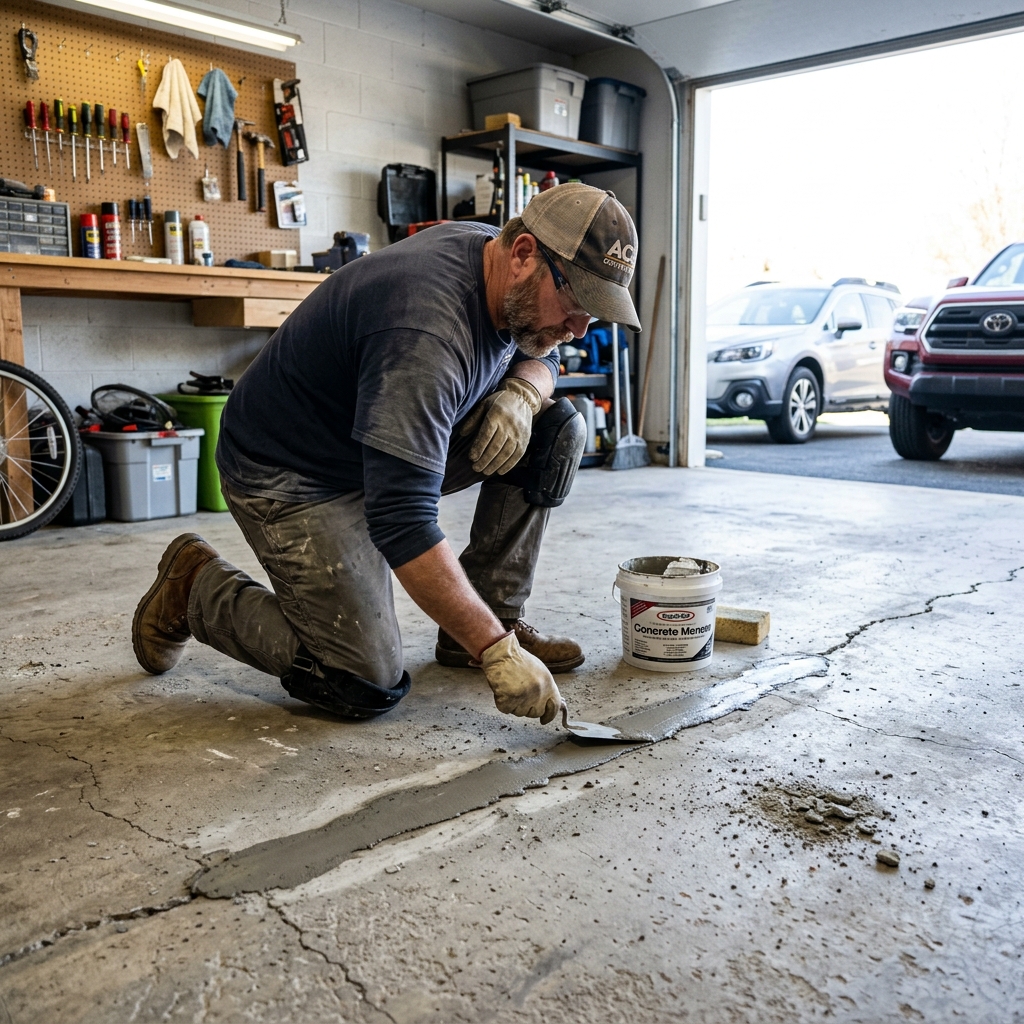
- When Repair is Feasible: Minor, localized peeling or bubbling (e.g., a few small spots, or peeling along a single edge) can sometimes be isolated, prepped, and patched with new epoxy. This often involves cutting out the affected area, preparing the substrate, and applying new material, carefully blending it with the existing floor. This is typically only recommended if the underlying concrete is sound and the failure was highly localized, perhaps due to a spill or impact.
- When Replacement is Necessary: If the peeling is widespread, covering a significant percentage of the floor, or if the underlying concrete has serious moisture issues that were not addressed during the initial installation, a full replacement is usually the most cost-effective and long-term solution. Attempting to patch extensively damaged areas often leads to a patchwork appearance and continued failure in adjacent sections. A complete removal ensures that the substrate can be properly prepared and a new, durable system installed from scratch, guaranteeing a much longer lifespan and superior performance.
Tampa Epoxy Flooring Pros will provide you with an honest assessment, outlining the pros and cons of both repair and replacement options, along with transparent pricing, so you can make an informed decision for your property, whether it's a residential garage or a commercial warehouse.
Protecting Your Investment: Preventing Future Epoxy Issues
Once your epoxy floor is restored or replaced, taking proactive steps can help prevent future problems, especially in a humid climate like Tampa's.
- Choose a Reputable Installer: The initial installation is paramount. Always select a licensed, experienced epoxy flooring company that understands local conditions and uses high-quality materials and proven preparation techniques, including moisture mitigation.
- Regular Cleaning and Maintenance: Keep your epoxy floor clean using appropriate, non-abrasive cleaners. Promptly clean up spills to prevent chemical exposure or staining.
- Avoid Harsh Chemicals: Use only cleaners recommended for epoxy surfaces. Harsh solvents can degrade the coating over time.
- Address Moisture Immediately: If you notice any plumbing leaks or excessive standing water on your floor, address them immediately. While epoxy is water-resistant, prolonged exposure to pooling water can sometimes exploit weaknesses.
- Consider a Maintenance Plan: For commercial properties or high-traffic residential areas, discuss a periodic inspection and maintenance plan with your epoxy professional. Early detection of minor issues can prevent them from escalating.
At Tampa Epoxy Flooring Pros, we not only fix existing problems but also provide expert advice on maintaining your flooring investment. We are committed to delivering exceptional results that stand the test of time, proudly serving businesses and homeowners across the region, from the bustling heart of Tampa to communities like Sulphur Springs.
Don't let a peeling or bubbling epoxy floor diminish the value and aesthetics of your Tampa property. These issues are often symptoms of deeper problems that require a professional eye and specialized solutions. Trust the local experts at Tampa Epoxy Flooring Pros to diagnose, repair, or replace your epoxy flooring with precision and lasting quality.
Ready for a durable, beautiful floor that withstands Tampa's conditions? Contact Tampa Epoxy Flooring Pros today for a free consultation and let us restore your epoxy floor to its prime condition. Your satisfaction is our guarantee!
Need Professional Assistance?
Get a free, no-obligation estimate from our expert local team today.