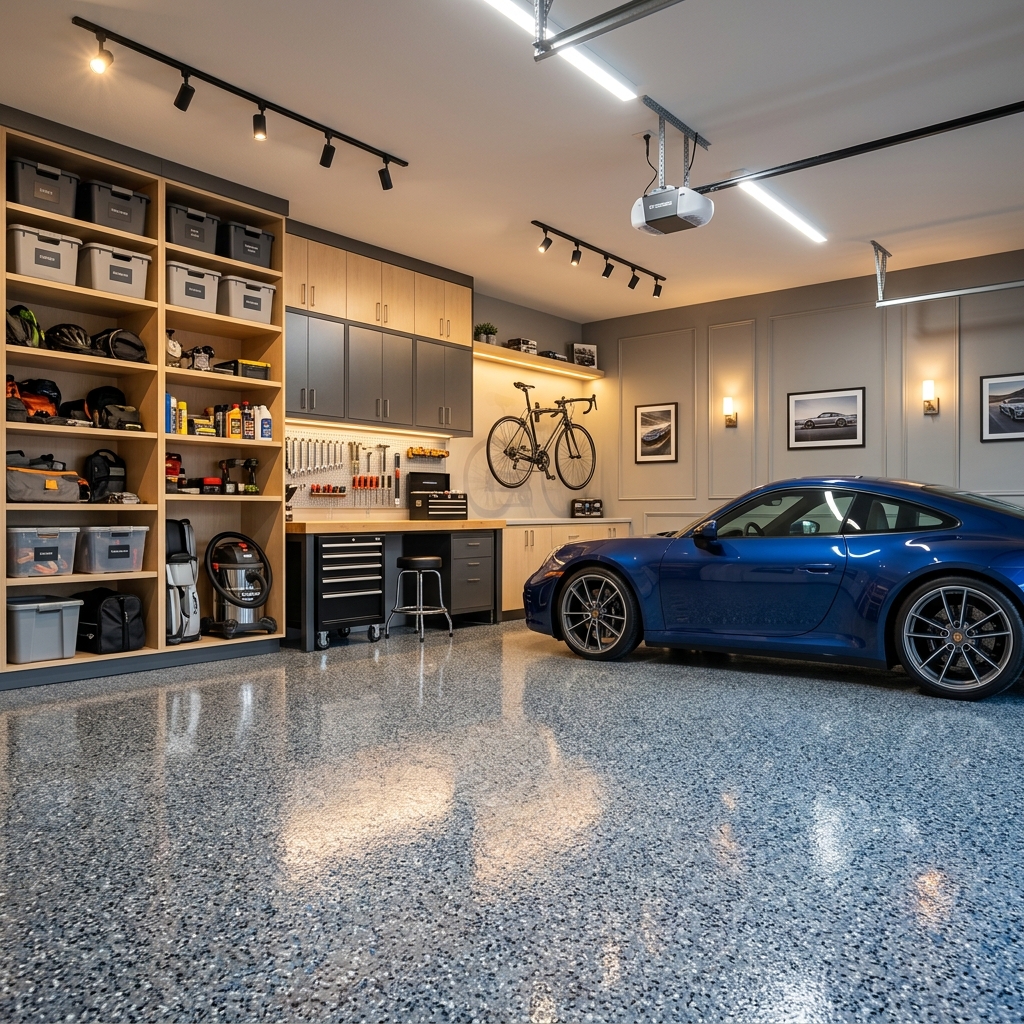
Maximize Your Investment: The Pro Guide to Extending Epoxy Floor Lifespan in Tampa, FL
Protecting your epoxy flooring investment in Tampa, FL, demands specific attention to its unique climate. High humidity, intense UV exposure, and abrasive sand can accelerate wear. By implementing proactive cleaning routines, prompt spill management, and addressing minor issues quickly, you can significantly extend your epoxy floor's lifespan, maintaining its aesthetic appeal and structural integrity for decades.
Epoxy flooring is a significant upgrade for any Tampa home or business, offering unparalleled durability, aesthetic versatility, and ease of maintenance. However, like any premium surface, its longevity isn't guaranteed without proper care, especially in a challenging environment like Tampa, FL. The combination of intense sun, high humidity, and the constant presence of fine sand can put even the toughest epoxy to the test. Understanding these regional factors and adopting a proactive approach to maintenance are crucial steps in ensuring your floor continues to perform and look its best for years to come.
Why Does Tampa's Climate Pose Unique Challenges for Epoxy Flooring?
Tampa's subtropical climate, while beautiful, presents several environmental factors that can impact the performance and lifespan of epoxy floors. Ignoring these can lead to premature wear, dullness, or even structural issues. Here’s what local property owners need to consider:
- High Humidity: Our region's consistently high humidity levels can affect epoxy, particularly during the curing process if not professionally installed. Post-installation, it can contribute to a slightly tacky feel or reduce the effectiveness of some cleaning agents if not dried properly.
- Intense UV Radiation: The Florida sun, while glorious, emits strong UV rays that can cause certain types of epoxy to yellow or fade over time. While modern epoxy formulations include UV stabilizers, prolonged, direct exposure without protective measures (like UV-resistant topcoats) can still take a toll.
- Heat and Temperature Fluctuations: Extreme heat can make epoxy more pliable, and rapid temperature changes can induce thermal expansion and contraction, potentially leading to stress cracks if the substrate isn't properly prepared or the epoxy isn't formulated for such conditions.
- Sand and Abrasives: Tampa's proximity to beaches and sandy soils means fine abrasive particles are easily tracked indoors. These act like sandpaper underfoot, gradually dulling the epoxy's finish and creating microscopic scratches that accumulate over time.
- Saltwater Exposure: For properties near the coast, salt spray can contribute to mineral buildup and corrosive effects if not regularly cleaned.
Proactive Maintenance: Your Best Defense Against Tampa's Elements
Extending the life of your epoxy floor isn't about avoiding issues; it's about smart, consistent care. Here’s a professional maintenance regimen tailored for Tampa conditions:
- Regular Sweeping and Vacuuming: This is your first line of defense against abrasive sand and dirt. Daily sweeping or vacuuming with a soft brush attachment prevents particles from scratching the surface.
- Weekly Mopping with pH-Neutral Cleaners: Use a soft mop and a cleaner specifically designed for epoxy or a simple solution of warm water and a small amount of ammonia. Avoid harsh acids, abrasive cleaners, or soap-based detergents which can leave a residue.
- Immediate Spill Cleanup: Acidic spills (like citrus juice or vinegar), oils, and chemicals should be cleaned immediately to prevent etching or staining. Blot, don't wipe, and then clean the area thoroughly.
- Use Floor Mats: Place mats at all entry points to trap dirt and sand before it reaches your epoxy. In high-traffic areas, or under heavy furniture/equipment, consider protective pads or commercial-grade mats. This is especially important for businesses and homes with heavy foot traffic, including areas like Epoxy Flooring in Busch Gardens Area where footfall can be constant.
- Annual Deep Cleaning: Depending on traffic, a professional deep cleaning every 6-12 months can remove embedded dirt and restore shine. This may involve specific equipment and cleaners.
- Avoid Dragging Heavy Objects: Always lift furniture or heavy equipment rather than dragging it to prevent gouges or deep scratches.
Recognizing Early Warning Signs: When to Call the Pros
Even with diligent care, issues can arise. Early detection and professional intervention are key to preventing minor problems from becoming costly repairs or requiring premature replacement. Keep an eye out for these indicators:
- Dullness or Fading: If your epoxy is losing its luster despite cleaning, it might be due to UV degradation or microscopic scratches from abrasives. A fresh topcoat might be necessary.
- Small Cracks or Hairline Fractures: These can indicate substrate movement, stress from heavy impacts, or thermal expansion. Left unaddressed, they can allow moisture intrusion.
- Peeling or Delamination: This is a more serious sign, often due to improper surface preparation during installation, moisture issues beneath the slab, or impact damage. Prompt repair is critical.
- Bubbles or Blistering: Typically caused by trapped moisture or gases during the curing process, or sometimes by osmotic blistering from hydrostatic pressure.
- Stains or Discoloration: While epoxy is highly stain-resistant, prolonged exposure to certain chemicals or strong dyes can lead to permanent discoloration.
- Chipping: Often a result of heavy impact or a weak spot in the epoxy layer.
If you notice any of these signs, don't delay. A professional assessment from Tampa Epoxy Flooring Pros can diagnose the root cause and recommend the most effective solution, whether it's a localized repair, a new topcoat, or a complete resurfacing. This proactive approach saves you money and preserves your investment.
Is Professional Inspection or Repair Worth It for Your Tampa Epoxy?
Many property owners wonder if professional intervention is truly necessary or if they can handle minor repairs themselves. While DIY kits exist for very small chips, anything beyond that typically warrants expert attention for several critical reasons:
- Accurate Diagnosis: Professionals can identify the underlying cause of an issue, which might not be apparent to the untrained eye (e.g., hydrostatic pressure causing delamination).
- Specialized Tools and Materials: We use industrial-grade epoxies, primers, and topcoats, along with specialized equipment for surface preparation and application, ensuring a durable, seamless repair.
- Expert Preparation: The success of any epoxy repair or recoat hinges on meticulous surface preparation. Our technicians understand the nuances of grinding, cleaning, and profiling concrete for optimal adhesion.
- Cost-Effectiveness in the Long Run: While initial professional repair might seem more expensive than a DIY attempt, a correctly executed repair prevents recurring issues, avoids further damage, and ultimately extends the floor's overall life, saving you from premature replacement costs. For instance, in areas like Epoxy Flooring in Riverview, ensuring a proper repair can significantly prolong the lifespan of your floor against common regional challenges.
- Preserving Aesthetics: A professional repair blends seamlessly with your existing floor, maintaining its uniform appearance. DIY repairs often result in noticeable patches.
At Tampa Epoxy Flooring Pros, we understand the specific needs of epoxy floors in our unique climate. From routine maintenance advice to addressing complex repairs and complete resurfacings, our team of licensed and experienced specialists is dedicated to maximizing the longevity and beauty of your flooring investment. Don't let Tampa's tough conditions shorten the life of your beautiful epoxy floor. A little proactive care and timely professional intervention can ensure it remains a stunning, durable surface for decades. If you have questions about maintaining your epoxy floor or suspect it needs attention, please don't hesitate to reach out to our experts.
Ready to ensure your epoxy floor stands the test of time against Tampa's elements? Contact Tampa Epoxy Flooring Pros today for a consultation or to schedule an inspection. Our team is here to provide expert advice and services to keep your investment looking its best, protecting your home or business for years to come!
Need Professional Assistance?
Get a free, no-obligation estimate from our expert local team today.