Extend Your Epoxy Floor's Life: Tampa's Climate Challenges & Expert Solutions
Epoxy flooring in Tampa, FL, offers unparalleled durability and aesthetics, but its longevity is significantly influenced by our unique subtropical climate. To maximize your epoxy floor's lifespan and preserve its pristine condition, understanding local environmental challenges like intense UV radiation, high humidity, and extreme heat is crucial, alongside implementing professional maintenance strategies.
What Unique Climate Challenges Does Tampa Pose for Epoxy Floors?
Tampa's beautiful weather brings specific environmental factors that can test the resilience of any flooring system, especially epoxy. Recognizing these challenges is the first step in effective protection:
- Intense UV Radiation: Central Florida experiences abundant sunshine year-round. Over time, prolonged exposure to UV rays can cause traditional epoxy topcoats to yellow, chalk, or dull, leading to a faded appearance and reduced aesthetic appeal. This photodegradation is a primary concern for outdoor applications or areas with significant direct sunlight exposure.
- High Humidity Levels: Tampa's high humidity, especially during the summer rainy season, can impact epoxy in several ways. During application, excessive moisture can interfere with the curing process, leading to blushing, delamination, or a weakened bond. Post-installation, persistent moisture can permeate the concrete slab from below, potentially leading to blistering or delamination of the epoxy if proper moisture vapor barriers are not in place.
- Extreme Heat and Thermal Cycling: Our consistently high temperatures cause materials to expand. While epoxy is flexible, constant expansion and contraction (thermal cycling) can stress the bond with the substrate over many years, particularly if the subfloor is also susceptible to movement. This can lead to hairline cracks or compromise adhesion without proper preparation and application techniques.
- Salt Air and Sand: For properties closer to the coast or those with frequent foot traffic bringing in sand, abrasive elements can slowly wear down the epoxy's topcoat, reducing its gloss and protective capabilities over time.
How Can I Identify Early Signs of Climate-Related Epoxy Damage?
Vigilance is key to addressing climate-related damage before it escalates. Keep an eye out for these tell-tale signs:
- Dulling or Discoloration: If your once vibrant epoxy floor is losing its sheen or noticeably yellowing, especially in sun-exposed areas, it's a strong indicator of UV degradation. Commercial properties in particular must maintain a professional appearance, making prompt attention to this crucial.
- Subtle Peeling or Flaking: Small areas of the epoxy lifting from the concrete, often starting at edges or cracks, can signal moisture intrusion or poor adhesion exacerbated by thermal stress. Catching this early can prevent widespread delamination.
- Small Bubbles or Blisters: These often indicate moisture vapor pressure from beneath the concrete slab pushing against the epoxy coating. This is a critical sign that needs immediate professional assessment to prevent significant structural failure of the coating.
- Fine Cracks or Spiderwebbing: While epoxy is tough, excessive stress from temperature fluctuations or foundation movement can lead to hairline cracks. These breaches can then allow moisture and contaminants to penetrate, potentially worsening the damage.
When Is Professional Intervention Essential for Tampa Epoxy Floors?
While minor scuffs can be managed, certain signs demand the expertise of Tampa Heights epoxy flooring specialists:
- Widespread Delamination or Peeling: If large sections of your epoxy are lifting or bubbling, it's past DIY repair. This typically points to significant adhesion issues, moisture problems, or improper initial application. Professional assessment is required to determine the root cause and the most effective repair or re-coating strategy.
- Persistent Moisture Issues: Visible dampness under the epoxy, recurring blisters, or a musty odor indicates a serious moisture problem within your concrete slab. Addressing this requires specialized moisture mitigation techniques and potentially a full system replacement with appropriate vapor barriers.
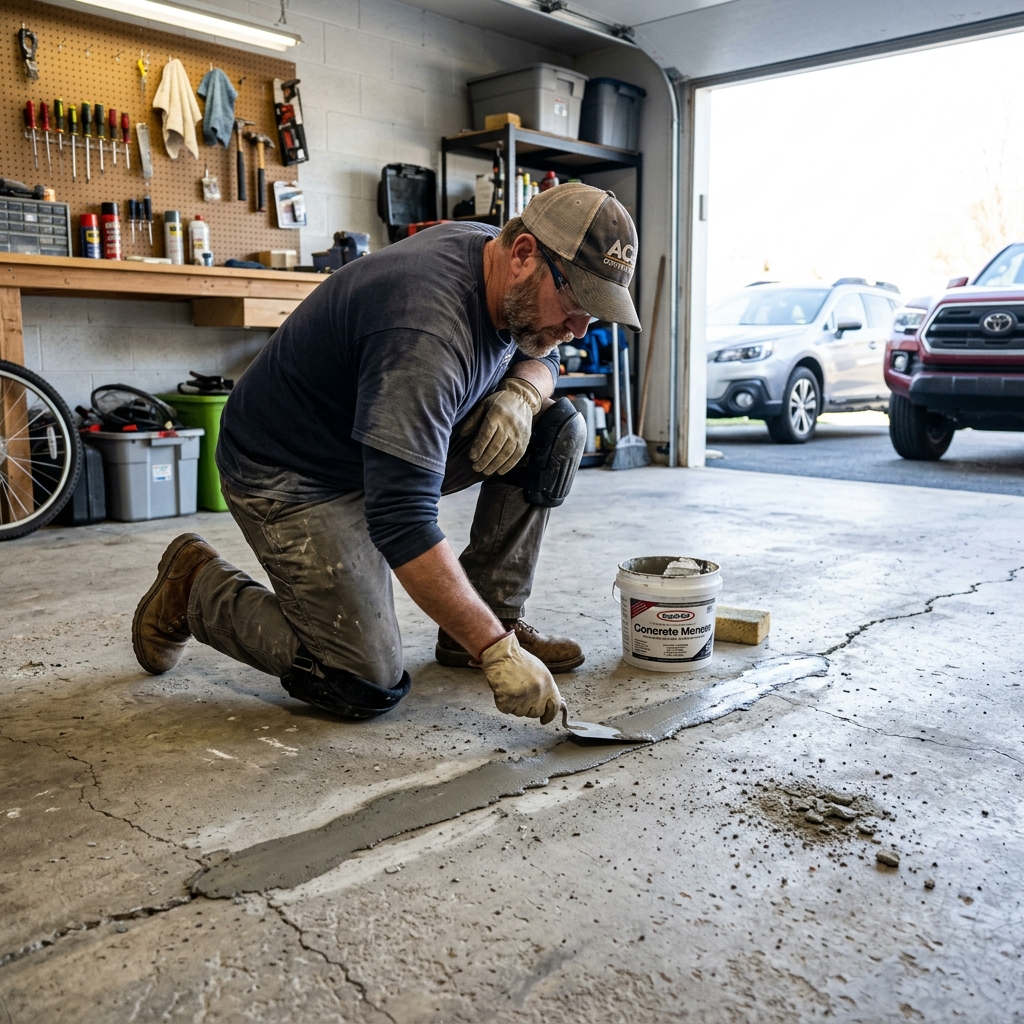
- Significant Cracking or Surface Damage: Deep cracks, pitting, or gouges compromise the integrity and waterproof nature of your epoxy. Professionals can assess whether localized repairs are feasible or if a complete resurfacing is necessary to restore protection and aesthetics.
- Need for UV-Resistant Upgrades: If your current epoxy floor is showing significant UV damage, a professional can install a high-performance, UV-stable topcoat or a polyaspartic coating that offers superior resistance to sunlight and chemicals, extending the life of your floor considerably.
What Does a Professional Epoxy Floor Assessment Involve?
When you call Tampa Epoxy Flooring Pros, our expert technicians conduct a thorough evaluation to diagnose any issues and recommend the best course of action:
- Visual Inspection: We meticulously examine the entire surface for signs of wear, damage, yellowing, or delamination.
- Moisture Testing: Using specialized equipment, we check the moisture content within your concrete slab. This is crucial in Tampa's humid climate to identify potential vapor drive issues that can compromise epoxy adhesion.
- Adhesion Testing: For existing coatings, we may perform pull-off adhesion tests to determine the strength of the bond between the epoxy and the substrate, helping us understand if delamination is due to sub-optimal adhesion or external factors.
- Substrate Analysis: We assess the condition of your concrete slab, looking for cracks, spalling, or previous coatings that might impact repair or re-coating strategies.
- Detailed Consultation and Recommendation: Based on our findings, we provide a transparent explanation of the issues, discuss potential solutions (repair, resurfacing, or replacement), and offer a comprehensive quote. For homeowners or businesses seeking dependable epoxy flooring in Riverview, our detailed assessment ensures a tailored solution.
Proactive Strategies for Maximizing Your Epoxy Floor's Lifespan in Tampa
Extending the life of your epoxy floor goes beyond just repairs; it involves consistent care and preventative measures:
- Regular and Proper Cleaning: Sweep or vacuum regularly to remove abrasive sand and debris. Use neutral pH cleaners with a soft mop or scrubber. Avoid harsh chemicals or abrasive cleaning tools that can dull the finish or damage the coating.
- Address Spills Immediately: Acids, oils, chemicals, and even certain food items can corrode or stain epoxy if left to dry. Prompt cleanup prevents etching and permanent damage.
- Utilize Floor Mats in Vulnerable Areas: Place doormats at entrances to trap dirt and sand. In areas with direct sunlight exposure, consider UV-resistant mats or window coverings to reduce direct UV impact over time.
- Consider UV-Stable Topcoats: If your garage or outdoor living space receives intense sunlight, invest in epoxy systems that incorporate UV-stable topcoats, such as polyaspartic or specific urethane topcoats, which are designed to resist yellowing and degradation.
- Schedule Annual Professional Inspections: A yearly check-up by Tampa Epoxy Flooring Pros can identify nascent issues like micro-cracks or early signs of moisture intrusion before they become costly problems. We can also reapply protective topcoats as needed to refresh and extend the floor's life.
Don't let Tampa's climate diminish the beauty and durability of your epoxy flooring. With proactive care and expert intervention when needed, your floors will continue to provide exceptional performance and aesthetic appeal for decades. If you're noticing any signs of wear or are ready to protect your investment, contact Tampa Epoxy Flooring Pros today for a professional assessment and tailored solutions in Tampa, FL.
Need Professional Assistance?
Get a free, no-obligation estimate from our expert local team today.