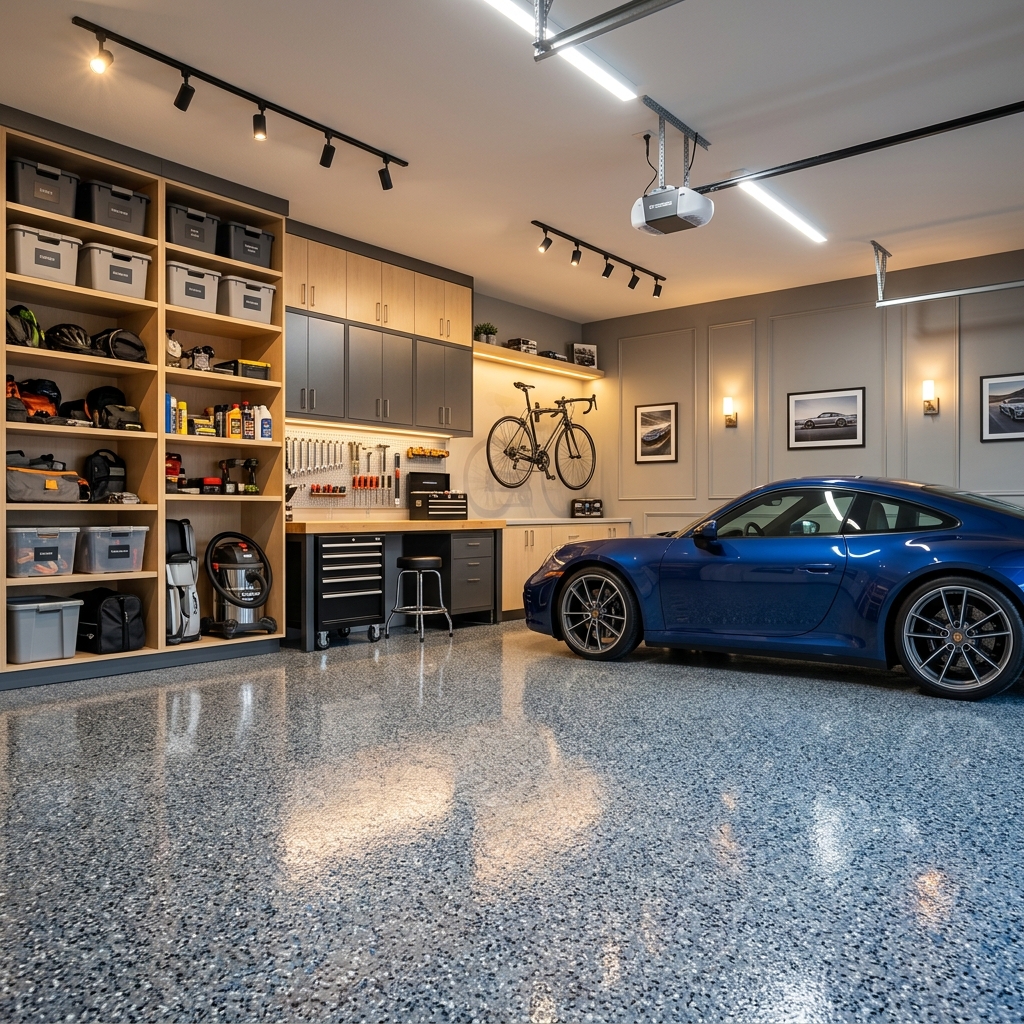
Professional Epoxy Floor Inspections in Tampa: Your Guide to Lasting Durability & Value
Professional epoxy floor inspections in Tampa are crucial for identifying early signs of wear, damage, or underlying issues caused by local climate and usage patterns, preventing costly future repairs. A thorough inspection evaluates surface integrity, adhesion, moisture levels, and determines the best course of action, from minor repairs to full system replacement, ensuring your floor remains safe and visually appealing.
In the vibrant, often humid environment of Tampa, FL, epoxy flooring offers unparalleled durability and aesthetic appeal for both residential and commercial spaces. However, even the toughest coatings require periodic professional assessment to ensure their integrity. Unlike a simple visual check, a professional epoxy floor inspection delves deep, leveraging specialized knowledge and tools to uncover potential problems before they escalate into expensive structural damage or safety hazards. This proactive approach is particularly vital in a region where high humidity and temperature fluctuations can impact flooring systems.
Why is a Professional Epoxy Inspection Crucial for Tampa Properties?
Tampa's unique climate and environmental factors pose specific challenges to epoxy flooring. Understanding these regional influences underscores the necessity of expert inspections:
- Humidity and Moisture: High ambient humidity can contribute to moisture vapor transmission (MVT) from the concrete slab, leading to blistering, delamination, or softening of the epoxy. An inspection identifies these moisture issues early.
- Temperature Fluctuations: While less extreme than other climates, Tampa experiences seasonal temperature shifts that can cause concrete slabs to expand and contract, potentially stressing the epoxy coating.
- Heavy Traffic & UV Exposure: Garages, industrial facilities, and even residential patios in Tampa often endure heavy foot traffic, vehicle movement, and direct sunlight, all of which can accelerate wear and tear, dulling, or chalking.
- Saltwater Proximity: For properties near the coast, salt air can be corrosive over time, demanding an extra layer of vigilance on exterior or semi-exterior epoxy surfaces.
- Preventive Maintenance: Regular inspections allow for early detection of minor cracks, chips, or delaminations, enabling targeted repairs that extend the life of your floor and avoid the need for complete replacement.
Without professional oversight, seemingly minor issues can quickly compromise the entire flooring system, leading to extensive repairs, increased costs, and potential safety concerns. That's why residents and businesses throughout Tampa, and even in nearby communities like Wesley Chapel, trust our expertise for their epoxy flooring needs.
What Does a Tampa Epoxy Flooring Inspection Typically Involve?
A comprehensive epoxy floor inspection by Tampa Epoxy Flooring Pros is a methodical process designed to assess every aspect of your floor's condition. Here's what you can expect:
1. Initial Visual Assessment:
- Surface Examination: Our technicians will meticulously check for surface imperfections such as scratches, scuffs, dull spots, and areas of discoloration.
- Crack & Chip Detection: We identify and document all visible cracks, chips, and gouges, noting their size, depth, and location.
- Joint and Edge Integrity: Special attention is paid to expansion joints, control joints, and the edges where the epoxy meets walls or other surfaces, as these are common failure points.
2. Adhesion and Delamination Testing:
- Tap Test: A trained professional uses a tapping tool to listen for hollow sounds, which can indicate areas where the epoxy is delaminating (lifting) from the concrete substrate.
- Cross-Hatch Adhesion Test (when necessary): For more critical assessments, a specialized tool may be used to make small cuts in the epoxy, followed by tape application, to determine the bond strength.
3. Moisture Vapor Transmission (MVT) Testing:
- Calcium Chloride Test: This standard test measures the rate at which moisture vapor is emitted from the concrete slab. High MVT can severely compromise epoxy adhesion.
- Relative Humidity (RH) Probe Test: Probes are inserted into the concrete to provide precise internal moisture readings, offering a more accurate picture of the slab's moisture content.
4. Substrate Evaluation:
- Concrete Condition: We assess the underlying concrete for signs of structural issues, movement, or previous repairs that could impact the epoxy.
- Contaminant Identification: Residual oils, chemicals, or other contaminants on the concrete can prevent proper epoxy adhesion, and our inspection aims to identify these.
5. Documentation and Recommendations:
Every finding is meticulously documented, often with photographs, to provide a clear and objective report. Based on our assessment, we will offer tailored recommendations, whether it's minor repair, resurfacing, or a full system replacement.
Identifying Critical Epoxy Floor Failure Signs in the Tampa Climate
While some wear is normal, certain signs indicate a critical issue requiring immediate professional attention, especially in Tampa's climate:
- Extensive Blistering or Bubbling: Small blisters can be cosmetic, but widespread bubbling, especially if accompanied by a soft or wet feeling, often points to severe moisture issues (MVT) or improper application. This can lead to rapid deterioration.
- Widespread Delamination: Large areas where the epoxy has lifted or peeled away from the concrete indicate a complete failure of the bond. This is a significant structural issue and a tripping hazard.
- Deep Cracks or Spalling: Cracks that penetrate the epoxy into the concrete, or areas where the concrete itself is flaking (spalling), suggest underlying structural problems that need urgent assessment.
- Unusual Soft Spots or Stickiness: If parts of your epoxy floor feel soft, sticky, or become discolored rapidly, it could be due to chemical exposure, improper curing, or a reaction with moisture. This compromises both appearance and functionality.
- Chemical Stains & Erosion: Persistent staining or noticeable erosion of the epoxy layer due to spills or chemical exposure, particularly in industrial or commercial settings, indicates the coating is no longer providing adequate protection.
Ignoring these signs can lead to further damage, increased repair costs, and potential regulatory non-compliance for businesses. For properties in areas like Hyde Park, maintaining impeccable epoxy flooring is not just about aesthetics but also about preserving property value and safety.
Understanding Costs: What Determines the Price of an Epoxy Floor Assessment in Tampa?
The cost of a professional epoxy floor inspection in Tampa can vary based on several factors, reflecting the complexity and scope of the assessment:
- Size of the Area: Larger floor areas naturally require more time and resources to inspect thoroughly.
- Type of Property: Commercial and industrial inspections may be more involved due to stricter safety standards, heavier wear, and specialized testing requirements. Residential inspections are typically less complex.
- Depth of Inspection Required: A basic visual inspection will cost less than a comprehensive assessment involving multiple MVT tests or adhesion pull tests.
- Accessibility: Floors with obstructions, machinery, or limited access may incur additional costs due to the extra labor involved.
- Urgency: Emergency inspections requested on short notice might have a premium.
- Follow-Up Services: Some inspections might be bundled with repair estimates or part of a larger maintenance package, potentially affecting the initial cost.
While there's an upfront cost, viewing an inspection as an investment in your property's long-term value and safety is key. Early detection of issues nearly always results in less expensive repairs compared to addressing catastrophic failures.
Beyond the Inspection: Next Steps and Long-Term Epoxy Care in Tampa
Once your professional epoxy floor inspection is complete, Tampa Epoxy Flooring Pros will provide you with a detailed report and clear recommendations. These might include:
- Minor Repairs: Addressing small chips, cracks, or minor delaminations to prevent them from spreading.
- Localized Resurfacing: Applying a new topcoat or a specific patch to areas experiencing heavy wear or minor damage.
- Full Restoration or Replacement: For floors with extensive damage, delamination, or severe moisture issues, a complete stripping and reapplication might be the most cost-effective long-term solution.
- Moisture Mitigation: If MVT is detected, we can recommend and implement solutions to address the underlying moisture issues before reapplying epoxy.
- Ongoing Maintenance Plan: Advice on proper cleaning, regular waxing (for certain systems), and protective measures to extend the life of your floor.
Don't wait for your epoxy floor to show critical signs of failure. Proactive inspections are the cornerstone of maintaining a beautiful, durable, and safe flooring system. If you're in Tampa, FL, or the surrounding communities, and concerned about the health of your epoxy floor, or simply seeking peace of mind, reach out to the experts who understand the local conditions best.
Contact Tampa Epoxy Flooring Pros today for a professional epoxy floor inspection. Let us help you protect your investment and ensure your floors continue to perform and impress for years to come!
Need Professional Assistance?
Get a free, no-obligation estimate from our expert local team today.