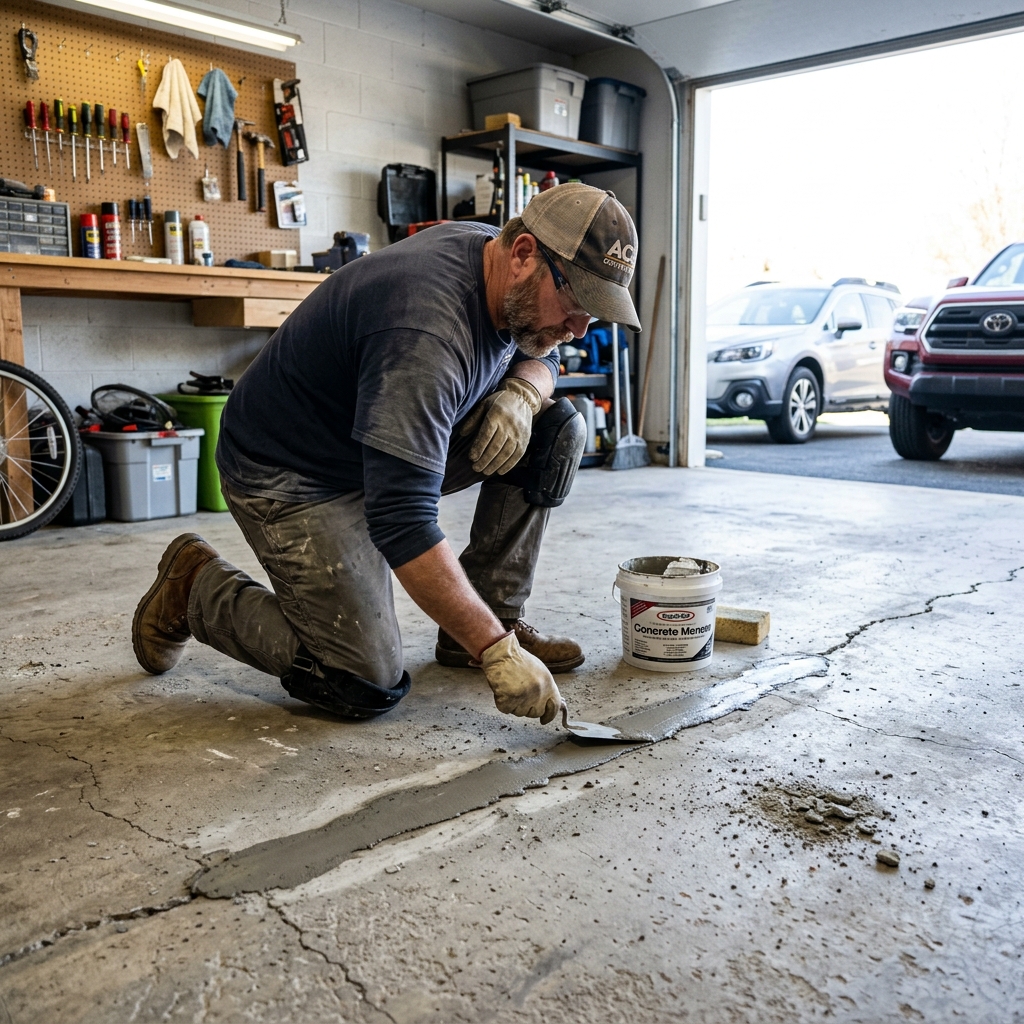
Expert Epoxy Floor Inspection in Tampa: Spotting Critical Issues Early
Epoxy flooring is a significant investment for any home or business in Tampa, known for its exceptional durability, aesthetic appeal, and easy maintenance. However, even the most robust epoxy systems can encounter challenges over time due, especially when exposed to Tampa's humid climate, intense sun, and heavy traffic. Regular, professional inspections are not just about identifying existing problems; they are about proactive maintenance, understanding the integrity of your floor, and ensuring its long-term performance and safety.
Ignoring early warning signs can lead to widespread damage, diminished aesthetics, and ultimately, a more expensive repair or even full replacement. This guide will walk you through why professional epoxy floor inspections are indispensable in our local environment, what critical issues our experts look for, and how a thorough assessment can save you time and money.
Why Are Professional Epoxy Floor Inspections Crucial for Tampa Homes & Businesses?
Tampa's unique environmental conditions present specific challenges for epoxy flooring. High humidity levels, coupled with the potential for moisture intrusion from various sources, can compromise the adhesive bond of epoxy to the concrete substrate. Furthermore, the intense Florida sun can cause UV degradation in non-UV-stable epoxy formulations, leading to yellowing and chalking. Professional inspections are tailored to address these local factors:
- Humidity & Moisture Assessment: Our technicians use specialized equipment to detect elevated moisture levels within the concrete slab, a common culprit behind blistering, peeling, and delamination in Tampa.
- UV Damage Evaluation: We assess for signs of sun damage, especially in outdoor or sun-exposed indoor areas, recommending appropriate protective coatings or repair strategies.
- Traffic & Wear Analysis: Heavy foot traffic, equipment use, and chemical exposure can lead to surface wear. Inspections identify areas of excessive abrasion or chemical attack, suggesting timely recoating or targeted repairs.
- Preventative Maintenance: Catching minor issues like hairline cracks or small areas of delamination early can prevent them from escalating into major structural problems, extending your floor's lifespan significantly.
For properties in areas like New Tampa, where varying soil conditions might impact concrete slabs, a detailed inspection becomes even more critical for structural integrity.
What Warning Signs Indicate Your Tampa Epoxy Floor Needs Immediate Attention?
While epoxy is tough, certain visual cues can signal that your floor requires professional attention. Being aware of these can prompt you to seek an inspection before minor issues become catastrophic:
- Cracking: Hairline cracks can evolve into significant structural failures. These often indicate substrate movement, stress, or underlying concrete issues.
- Peeling or Delamination: This is when the epoxy lifts from the concrete or layers separate. It's often caused by poor adhesion during installation, moisture, or improper surface preparation.
- Bubbling or Blistering: Air or moisture trapped beneath the epoxy can create bubbles. This is a common issue in high-humidity environments like Tampa.
- Discoloration or Fading: While some fading is natural over decades, rapid or uneven discoloration can indicate UV exposure, chemical spills, or product breakdown.
- Hazing or Dullness: A loss of gloss or a cloudy appearance can be due to chemical reactions, improper cleaning, or wear, impacting the floor's aesthetic and protective qualities.
- Uneven Wear or Pitting: Heavy impact, abrasion, or chemical erosion can cause depressions or rough patches, compromising safety and durability.
- Soft Spots or Weakened Areas: These can indicate issues with the concrete substrate itself or an area where the epoxy bond has failed significantly.
If you notice any of these signs, particularly in high-traffic zones or moisture-prone areas like garages or industrial facilities, it's time to call in the experts.
What Happens During a Professional Epoxy Floor Inspection in Tampa?
Our comprehensive inspection process is designed to leave no stone unturned, providing you with a clear, actionable assessment of your epoxy floor's condition. Here’s what you can expect when our team from Tampa Epoxy Flooring Pros conducts an inspection:
- Initial Consultation & Area Assessment: We begin by discussing your concerns, the history of the flooring, and its typical usage. We then visually assess the entire floor, noting any obvious damage, high-wear areas, or environmental factors.
- Moisture & Adhesion Testing: Using specialized meters, we test the concrete's moisture content and relative humidity. Adhesion tests may also be performed in discreet areas to gauge the bond strength between the epoxy and the substrate.
- Substrate Evaluation: We look for signs of concrete slab distress, such as settling cracks, spalling, or efflorescence, which can impact the epoxy overlay.
- Damage Mapping & Documentation: Each observed issue (cracks, peeling, bubbles, wear) is meticulously documented, often with photographs, to create a detailed map of your floor's condition.
- Root Cause Analysis: Our experienced technicians leverage their knowledge of epoxy chemistry and local conditions to determine the likely causes of any identified problems. This is critical for proposing effective, long-lasting solutions.
- Detailed Report & Recommendations: You will receive a comprehensive report outlining our findings, including the severity of issues, their probable causes, and tailored recommendations for repair, restoration, or replacement. This might include surface preparation, patching, recoating, or specific maintenance protocols. For clients in Tampa Palms, we ensure our recommendations are always specific to local environmental considerations and usage.
This thorough approach ensures that you receive an accurate diagnosis and a plan that truly addresses your floor's needs.
How Does a Professional Inspection Impact Repair vs. Replacement Decisions & Costs?
One of the most valuable outcomes of a professional epoxy floor inspection is the clarity it provides regarding repair versus replacement. Attempting DIY repairs or opting for a full replacement without understanding the root cause can lead to unnecessary expenses and recurring problems.
- Informed Decision-Making: Our detailed report empowers you to make an informed choice. Minor issues often require targeted repairs, such as crack filling, spot patching, or a new topcoat. More severe or widespread damage, especially due to deeply compromised substrates or extensive delamination, might necessitate a full replacement.
- Cost-Effectiveness: Early detection through inspection can significantly reduce long-term costs. Addressing small issues promptly is far less expensive than waiting until the damage is extensive enough to require a complete overhaul.
- Budget Planning: With a professional assessment, you'll receive accurate estimates for both repair and replacement options, allowing for better budget planning and investment decisions.
- Longevity of Solutions: By identifying and addressing the underlying causes of damage, whether it's moisture, inadequate preparation, or wear, any recommended repair or replacement will be more durable and effective.
Don't leave the integrity of your epoxy floor to chance. A professional inspection is the first step toward preserving its beauty, functionality, and value.
If your epoxy floor in Tampa is showing signs of wear, damage, or you simply want a professional assessment for peace of mind, don't hesitate. Our team at Tampa Epoxy Flooring Pros has the expertise and local knowledge to provide thorough inspections and recommend the best course of action. Contact us today for a consultation and protect your investment for years to come!
Need Professional Assistance?
Get a free, no-obligation estimate from our expert local team today.