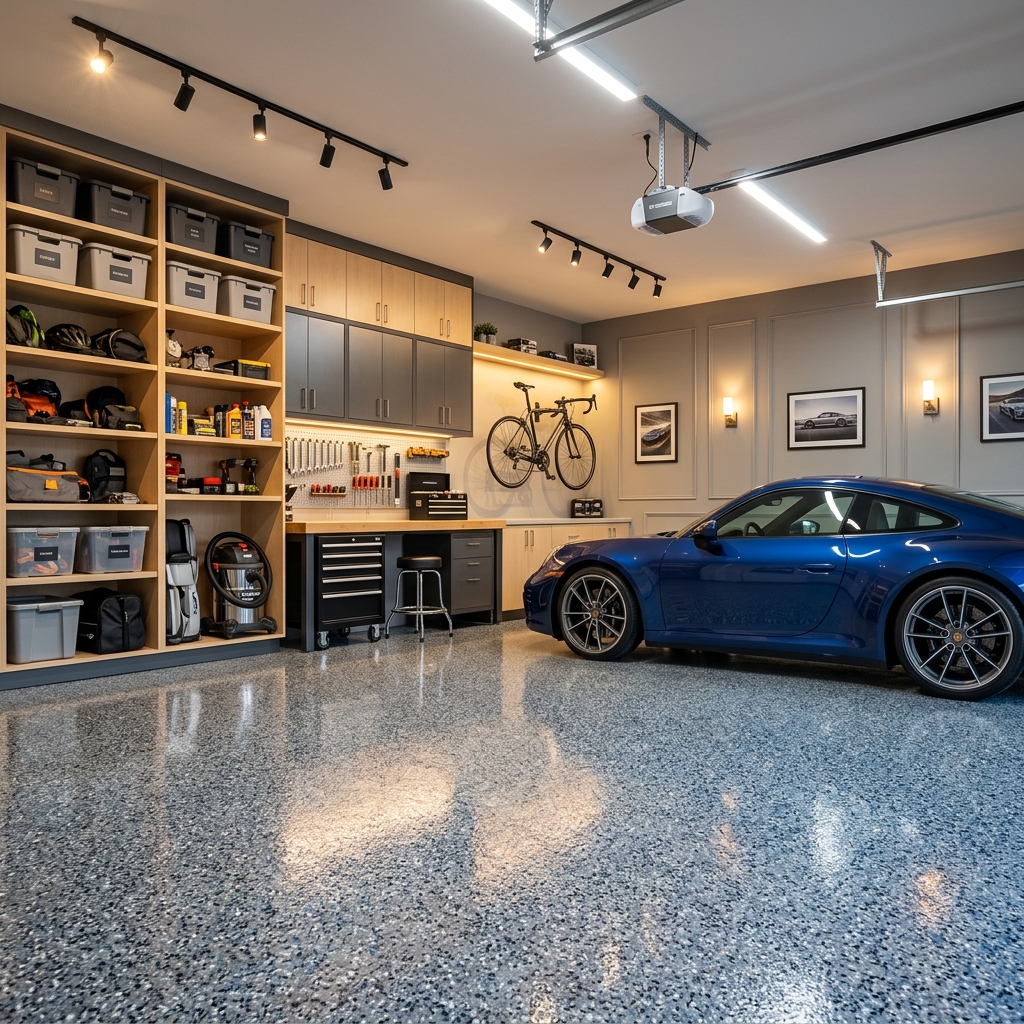
Extend Your Epoxy Floor's Life in Tampa, FL: Pro Care & Maintenance Secrets
To significantly extend the lifespan of your epoxy flooring in Tampa, FL, regular professional maintenance and understanding the impact of our unique climate are crucial. Proactive care, identifying early signs of wear, and timely expert intervention can help your epoxy floors maintain their integrity, appearance, and protective qualities for decades.
Why Tampa's Climate Demands Special Epoxy Care
Tampa’s warm, humid climate and intense UV exposure present unique challenges for epoxy flooring. Unlike cooler, drier regions, our environment can accelerate wear and tear if not properly managed. High humidity can sometimes affect the curing process during installation if not controlled, and over time, contribute to moisture-related issues if the concrete slab isn't properly prepared. The relentless Florida sun, especially in areas exposed to direct light, can lead to UV degradation, causing certain epoxy formulations to chalk, yellow, or fade. Moreover, the constant influx of sand, salt, and other abrasive particles from outdoor activities can act like sandpaper on your finish. Understanding these regional factors is the first step in devising an effective maintenance strategy that truly extends the life of your investment.
- High Humidity: Can exacerbate moisture vapor transmission from the concrete, potentially leading to delamination if barriers aren't adequate.
- Intense UV Radiation: Causes yellowing, chalking, and fading in non-UV-stable epoxy topcoats.
- Temperature Fluctuations: While less extreme than other regions, sudden shifts can still cause expansion and contraction, stressing the coating.
- Abrasion from Outdoors: Sand, dirt, and debris tracked in from the beach or yards act as abrasives, dulling the finish.
- Chemical Exposure: Common spills like automotive fluids or even household cleaners can be more damaging if not promptly addressed in higher temperatures.
Key Signs Your Epoxy Floor Needs Professional Attention
Don't wait until a small issue becomes a costly repair. Recognizing the early warning signs that your epoxy floor in Tampa needs professional help can save you significant time and money. While epoxy is incredibly durable, it's not invincible. Here are common indicators that it's time to call the experts:
- Cracking or Pitting: Small cracks or pits can be entry points for moisture and contaminants, leading to further damage. These often result from heavy impacts or underlying concrete issues.
- Peeling or Delamination: This is a serious sign that the epoxy is losing its bond with the substrate. It can appear as bubbles, flaking, or large sections lifting away. Poor surface preparation or moisture issues are common culprits.
- Dulling or Discoloration: While some natural wear occurs, significant dullness, yellowing (especially in non-UV stable epoxies), or uneven discoloration suggests the topcoat is failing or has sustained chemical damage.
- Excessive Abrasions or Scratches: Deep scratches compromise the protective layer, making the floor vulnerable to chemical stains and moisture. While minor scratches are normal, widespread deep abrasions warrant assessment.
- Loss of Slip Resistance: If your anti-slip additives have worn down, your floor becomes a safety hazard. This is particularly critical in commercial or industrial settings.
- Persistent Stains: If your epoxy floor is no longer repelling stains effectively, its protective barrier may be compromised.
Ignoring these signs can lead to more extensive damage, requiring a complete re-coat or even floor replacement. For residents and businesses in areas like Riverside Heights, early detection and intervention are key to preserving your investment.
Essential Maintenance Tips for Long-Lasting Epoxy in Tampa
Extending the life of your epoxy floor isn't just about repairs; it's about consistent, smart maintenance tailored to Tampa's environment. Implement these tips to keep your floor looking great and performing optimally:
Regular Cleaning Routines:
- Sweep or Vacuum Frequently: Remove abrasive sand, dust, and debris daily or as needed. Fine particles can scratch the surface over time.
- Mop with pH-Neutral Cleaners: Use warm water and a soft mop with a non-abrasive, pH-neutral cleaner. Avoid harsh chemicals like citrus cleaners, vinegar, or abrasive scrubbers, which can degrade the epoxy.
- Address Spills Immediately: Especially oils, chemicals, or acidic substances. Blot them up quickly to prevent staining or etching.
Protect Against Tampa's Elements:
- Use Mats at Entrances: Place mats at all entryways to trap dirt, sand, and moisture before it reaches your epoxy floor.
- Manage UV Exposure: For floors in direct sunlight, consider UV-stable topcoats during installation or a re-coat. Blinds or window films can also help.
- Control Humidity: In garages or industrial spaces, ensure proper ventilation. While epoxy is moisture-resistant, excessive, prolonged humidity can contribute to issues.
Preventative Measures:
- Furniture Pads: Use felt or rubber pads under furniture legs to prevent scratches and gouges.
- Avoid Dragging Heavy Objects: Lift, don't drag. If you must move heavy items, use plywood sheets or protective coverings.
- Tire Marks: Hot tires can sometimes cause marks on epoxy. While these are usually superficial and can be cleaned, using tire mats in garages can prevent them.
Repair vs. Replace: Making the Right Decision for Your Tampa Epoxy
When faced with a damaged epoxy floor, the question often arises: should I repair it or opt for a full replacement? The answer depends on the extent of the damage, the underlying cause, and your long-term goals for the floor. A professional assessment from Tampa Epoxy Flooring Pros is invaluable in making this decision.
When Repair is a Viable Option:
- Localized Damage: Small cracks, chips, or areas of minor delamination can often be isolated and repaired. This is cost-effective and less disruptive.
- Surface Wear: If the damage is primarily to the topcoat (dulling, light scratches, minor fading), a simple re-coat can restore its appearance and protection. This involves cleaning, light sanding, and applying a new layer.
- Cosmetic Issues: If the structural integrity of the epoxy and concrete is sound, but the aesthetics are suffering, repair is usually sufficient.
When Replacement May Be Necessary:
- Widespread Delamination: If large sections of the epoxy are peeling or bubbling due to significant moisture issues or severe installation failure, a full removal and reinstallation are often the only reliable solution.
- Severe Concrete Damage: If the underlying concrete slab is extensively cracked, spalled, or suffering from severe moisture vapor transmission, the epoxy will continue to fail. Addressing the concrete first, then reapplying, is crucial.
- Chemical Degradation: If the epoxy has been compromised by harsh chemicals to the point where its protective qualities are gone, repair might only be a temporary fix.
- Outdated System: Sometimes, older epoxy systems may not meet current performance or aesthetic standards. A full replacement allows for an upgrade to a more advanced, durable, or UV-stable system.
Our experts serving communities like Davis Islands can provide a thorough inspection, identify the root cause of the problem, and recommend the most practical and economical solution, whether it's a precise repair or a comprehensive replacement.
The Value of Professional Epoxy Inspections in Tampa
Just like any significant investment in your property, your epoxy floors benefit immensely from periodic professional inspections. Especially in a dynamic environment like Tampa, an expert eye can spot potential issues long before they become critical. During an inspection, a skilled technician from Tampa Epoxy Flooring Pros will:
- Assess Surface Condition: Look for signs of wear, abrasion, dulling, and minor scratches that might indicate the topcoat is thinning.
- Check for Delamination or Bubbling: Carefully examine the entire surface for any signs of the epoxy losing its bond with the concrete, including subtle blistering.
- Evaluate Cracks and Pits: Determine if any cracks are structural or superficial, and assess the depth and extent of pitting.
- Test Moisture Levels: Perform tests to check for moisture vapor transmission from the concrete slab, a common issue in humid climates that can compromise epoxy.
- Identify Chemical or UV Damage: Look for discoloration, yellowing, or etching that points to chemical exposure or UV degradation.
- Review Safety Features: Assess the integrity of any anti-slip aggregates and recommend reapplication if needed to maintain safety standards.
- Provide a Detailed Report: Offer a comprehensive overview of your floor's condition, highlighting areas of concern and recommending a clear course of action, from simple maintenance adjustments to necessary repairs or re-coating options.
A professional inspection is your best defense against premature epoxy failure, ensuring your floor continues to offer optimal performance, aesthetics, and protection for years to come. It helps you stay ahead of problems, rather than react to emergencies.
Protect Your Epoxy Investment with Tampa Epoxy Flooring Pros
Your epoxy flooring is a significant asset, providing durability, beauty, and protection to your home or business in Tampa, FL. Don't let the unique challenges of our local climate shorten its lifespan. From proactive maintenance advice to expert repairs and comprehensive re-coating services, Tampa Epoxy Flooring Pros is your trusted partner.
We understand the specific needs of epoxy floors in our area and are dedicated to helping you maximize your investment. If you've noticed any signs of wear, need a professional assessment, or simply want to ensure your floors remain in peak condition, don't hesitate.
Contact Tampa Epoxy Flooring Pros today for a consultation or to schedule an inspection. Let us help you protect and extend the life of your beautiful epoxy floors!
Need Professional Assistance?
Get a free, no-obligation estimate from our expert local team today.