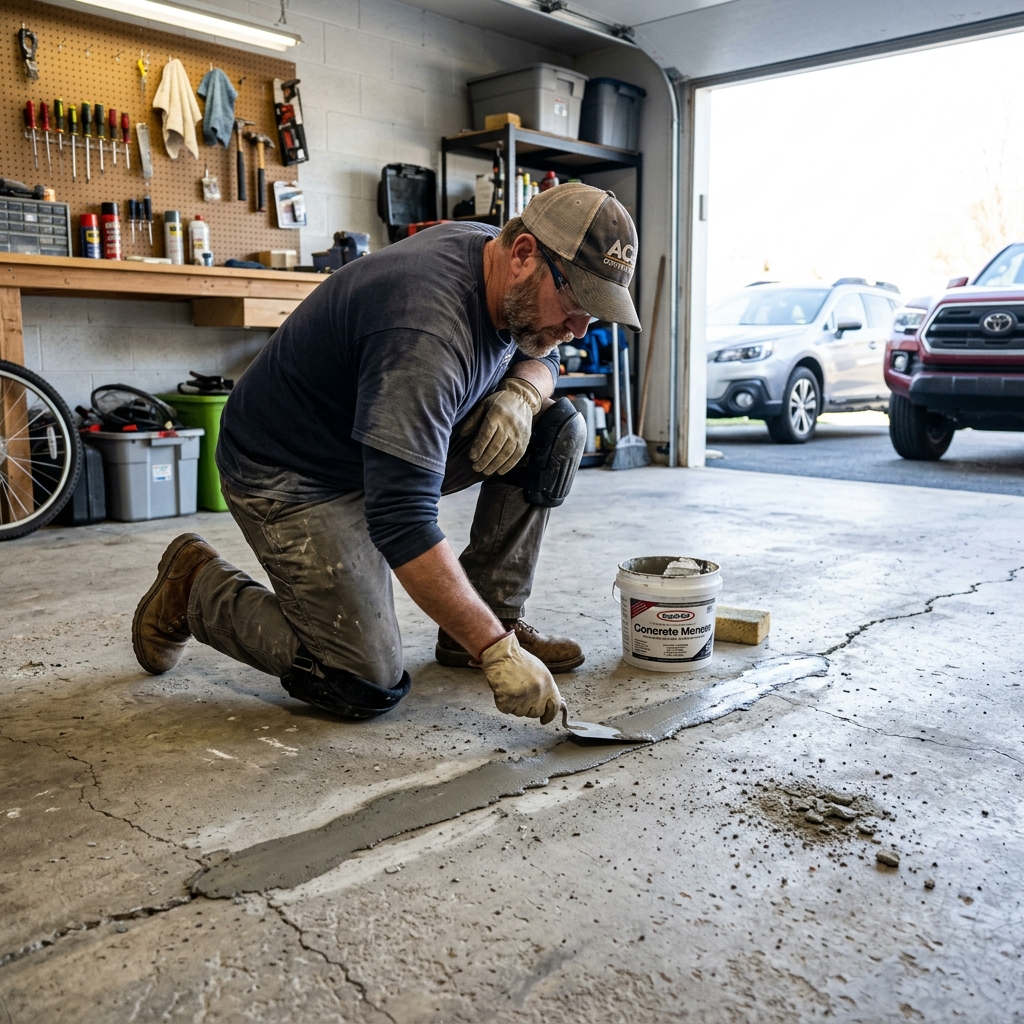
Solve Your Tampa Epoxy Floor Issues: Expert Repair & Prevention Guide
When your epoxy flooring in Tampa, FL shows signs of wear like peeling, bubbling, or cracking, it often indicates underlying issues such as moisture intrusion, improper installation, or substrate movement. Addressing these problems promptly with professional assessment and tailored repair solutions from Tampa Epoxy Flooring Pros can restore your floor's integrity, appearance, and longevity, preventing costlier damage.
Epoxy floors are renowned for their durability, aesthetic appeal, and resistance, making them a popular choice for homes and businesses across Tampa, FL. However, even the toughest coatings can encounter problems over time, especially when exposed to our unique Florida climate. High humidity, intense sun, and ground moisture can all contribute to issues that compromise your epoxy's performance and appearance. Understanding these common problems, their root causes, and how to address them is crucial for maintaining your investment. At Tampa Epoxy Flooring Pros, we specialize in not just installing, but also expertly diagnosing and resolving epoxy flooring issues to ensure your surfaces remain beautiful and functional for years to come.
What Are the Most Common Epoxy Flooring Problems We See in Tampa, FL?
As local epoxy flooring specialists, we’ve seen a range of issues affecting both residential and commercial properties in Tampa. Many of these problems are exacerbated by our hot, humid climate. Here are the most frequent challenges:
- Peeling or Delamination: This is arguably the most common and frustrating issue. Peeling occurs when the epoxy coating separates from the concrete substrate. In Tampa, this is often due to:
- Improper surface preparation: Insufficient cleaning, grinding, or acid etching before application.
- Moisture vapor transmission: Concrete slabs naturally release moisture. If not properly mitigated or tested before installation, this vapor can push the epoxy off the surface.
- Contaminants: Oil, grease, or sealers on the concrete not removed during prep.
- Bubbling or Blistering: Small to large bubbles appearing on the surface of the epoxy. This can be caused by:
- Outgassing: Air escaping from the porous concrete as the epoxy cures, especially in warmer temperatures.
- Rapid curing: If the epoxy cures too quickly, it traps air or moisture underneath.
- High humidity: Applying epoxy in very high humidity can lead to moisture contamination.
- Cracks and Chips: While epoxy is strong, it's not invincible. Cracks can appear due to:
- Substrate movement: The concrete slab itself cracking or shifting.
- Impact damage: Heavy objects dropped on the floor.
- Thin application: An insufficient thickness of epoxy, making it more brittle.
- Thermal shock: Rapid temperature changes can stress the coating, though less common indoors in Tampa.
- Dullness or Discoloration: Over time, some epoxy floors may lose their luster or change color. Common culprits include:
- UV exposure: Certain epoxy types (especially aliphatic epoxies) can yellow or chalk when exposed to direct sunlight, a significant factor in sun-drenched Florida.
- Chemical exposure: Spills from harsh chemicals can degrade the epoxy.
- General wear and tear: High traffic areas naturally experience more abrasion.
Whether your commercial space in Dunedin or your residential garage in Tampa needs attention, understanding the root cause is key to effective repair.
Can My Damaged Epoxy Floor Be Repaired, or Does It Need Replacement?
The decision to repair or replace your epoxy floor in Tampa depends on several factors, primarily the nature, extent, and cause of the damage. A professional assessment from Tampa Epoxy Flooring Pros can provide clarity and an accurate cost breakdown.
When Repair is Viable (and Cost-Effective):
- Isolated Peeling/Delamination: If peeling is limited to a small, localized area, it can often be ground down, re-prepped, and patched with a new epoxy layer. This is typically less costly than a full re-do.
- Minor Cracks/Chips: Small cracks or chips can be cleaned, filled with an epoxy patching compound, and then re-coated. The goal is to prevent further propagation of the damage.
- Surface Scratches/Dullness: If the damage is superficial, a simple re-coat or application of a fresh topcoat can restore gloss and protection. This is a common maintenance solution.
When Replacement is Necessary (and Worth the Investment):
- Widespread Delamination: If a significant portion of your epoxy floor is peeling or delaminating, it often indicates a fundamental failure in the original installation or persistent moisture issues. A full removal and re-installation, addressing the root cause, is usually the most durable solution.
- Severe Substrate Damage: If the underlying concrete slab is heavily cracked, spalled, or unstable, simply patching the epoxy won't solve the problem. The concrete itself needs repair, which often requires stripping the epoxy first.
- Contamination Beyond Repair: Floors heavily stained by oil, chemicals, or other substances that have permeated the epoxy may not be salvageable through simple repairs.
- Extensive Bubbling: If bubbling is widespread, it suggests significant outgassing or moisture issues that a simple patch cannot remedy.
The cost of repair vs. replacement varies greatly depending on square footage, material costs, and labor. Generally, minor repairs might range from a few hundred dollars, while a full replacement for a typical garage could be several thousand, depending on the complexity and desired finish. Our experts at Tampa Epoxy Flooring Pros, also serving communities like Zephyrhills, can provide an honest assessment and transparent pricing for your specific situation.
What Does an Epoxy Floor Inspection Entail in Tampa?
A thorough inspection is the first critical step in addressing any epoxy flooring problem. For Tampa Epoxy Flooring Pros, our inspection process is designed to be comprehensive and identify not just the symptoms, but the underlying causes:
- Visual Assessment: Our technicians will meticulously examine the entire floor surface, noting all areas of damage, including peeling, cracking, bubbling, discoloration, and wear patterns. We photograph and document these findings.
- Adhesion Testing (Pull Test): In areas of concern, we may perform an adhesion test (ASTM D4541) to measure the bond strength of the epoxy to the concrete. This helps determine if the initial installation had proper adhesion or if external factors have degraded it.
- Moisture Vapor Transmission (MVT) Testing: Given Tampa's high humidity and ground moisture, MVT testing is paramount. We use calcium chloride tests or relative humidity probes to measure the amount of moisture vapor being emitted from the concrete slab. High readings are a major indicator of potential or ongoing delamination issues.
- Substrate Evaluation: We assess the condition of the concrete itself, looking for signs of cracking, spalling, efflorescence, or previous coatings/sealers that might be contributing to the problem. We also check for flatness and levelness.
- Environmental Factors: We take into account the environment surrounding the floor, including exposure to sunlight, chemicals, heavy traffic, and temperature fluctuations.
- Detailed Report & Recommendations: Following the inspection, we provide you with a detailed report outlining our findings, the probable causes of the damage, and a clear, actionable plan for repair or replacement, including a transparent cost estimate.
This meticulous process ensures that any solution we propose is targeted, effective, and built to last in the Tampa climate.
How Can I Prevent Future Epoxy Flooring Problems in Tampa?
Prevention is always better than cure, especially with an investment like epoxy flooring. Here are key strategies to prevent common issues:
- Choose a Reputable Installer: This is the most crucial step. Professional installers like Tampa Epoxy Flooring Pros follow strict protocols for surface preparation, moisture testing, and application techniques, which are foundational to a long-lasting epoxy floor. Don't cut corners here.
- Proper Surface Preparation: Ensure your installer performs thorough concrete grinding, cleaning, and, critically in Tampa, moisture testing and mitigation (e.g., vapor barrier primers) before applying any epoxy.
- Select the Right Epoxy System: For floors exposed to UV light (like garage floors with open doors), ensure an aliphatic topcoat or a UV-stable epoxy is used to prevent yellowing and chalking.
- Regular Cleaning and Maintenance: Sweep or vacuum regularly to remove abrasive dirt and debris. Mop with a mild, pH-neutral cleaner. Avoid harsh chemicals or abrasive cleaning pads that can dull or damage the surface.
- Prompt Spill Cleanup: Clean up spills, especially chemicals, oils, or acidic substances, immediately to prevent etching or staining.
- Protect Against Heavy Impact: Use floor mats or pads in areas where heavy tools or objects might be dropped, such as workshops or utility spaces.
- Monitor Humidity: While you can't control outdoor humidity, ensure good ventilation in indoor spaces to reduce moisture buildup, particularly in garages or basements where epoxy is common.
Investing in quality installation and consistent maintenance practices can significantly extend the life of your epoxy floor, keeping it looking pristine and performing optimally for decades. If you notice any signs of trouble, don't wait. Early intervention can often save you from more extensive and costly repairs down the line.
If you're experiencing epoxy flooring issues or want to ensure your new installation in Tampa, FL, is done right, trust the experts at Tampa Epoxy Flooring Pros. Our team is equipped with the knowledge, tools, and experience to diagnose problems accurately and provide durable, aesthetically pleasing solutions that stand up to the Florida environment. Don't let a damaged floor detract from your property's value and functionality. Contact Tampa Epoxy Flooring Pros today for a professional consultation and a free, no-obligation quote!
Need Professional Assistance?
Get a free, no-obligation estimate from our expert local team today.