Is Your Tampa Epoxy Floor Failing? Critical Signs & Pro Solutions for Longevity
Recognizing the early signs of epoxy floor failure is crucial for preventing extensive damage and costly replacements in Tampa, FL. Issues like peeling, delamination, or significant cracking indicate a need for immediate professional assessment and repair to maintain your floor's protective qualities and aesthetic appeal. Timely intervention ensures the longevity and performance of your investment.
Epoxy flooring is renowned for its durability, aesthetic versatility, and resistance to chemicals and abrasions, making it a popular choice for homes and businesses across Tampa, FL. However, even the toughest floors can show signs of wear and tear or develop issues if not properly installed or maintained. Understanding these critical warning signs can help you address problems proactively, extending the life of your epoxy floor and preserving your investment. At Tampa Epoxy Flooring Pros, we specialize in diagnosing and resolving all types of epoxy flooring issues, ensuring your surface remains beautiful and functional for years to come.
What Are the Common Signs of Epoxy Floor Failure in Tampa?
While epoxy floors are robust, several indicators can signal that your flooring system is failing or requires attention. Being vigilant about these signs can save you from more significant repairs down the line:
- Peeling or Delamination: This is perhaps the most common and concerning sign. When the epoxy coating separates from the concrete substrate or from a previous layer, it often appears as flakes or sheets lifting from the floor. This is usually due to improper surface preparation, moisture issues, or inadequate adhesion.
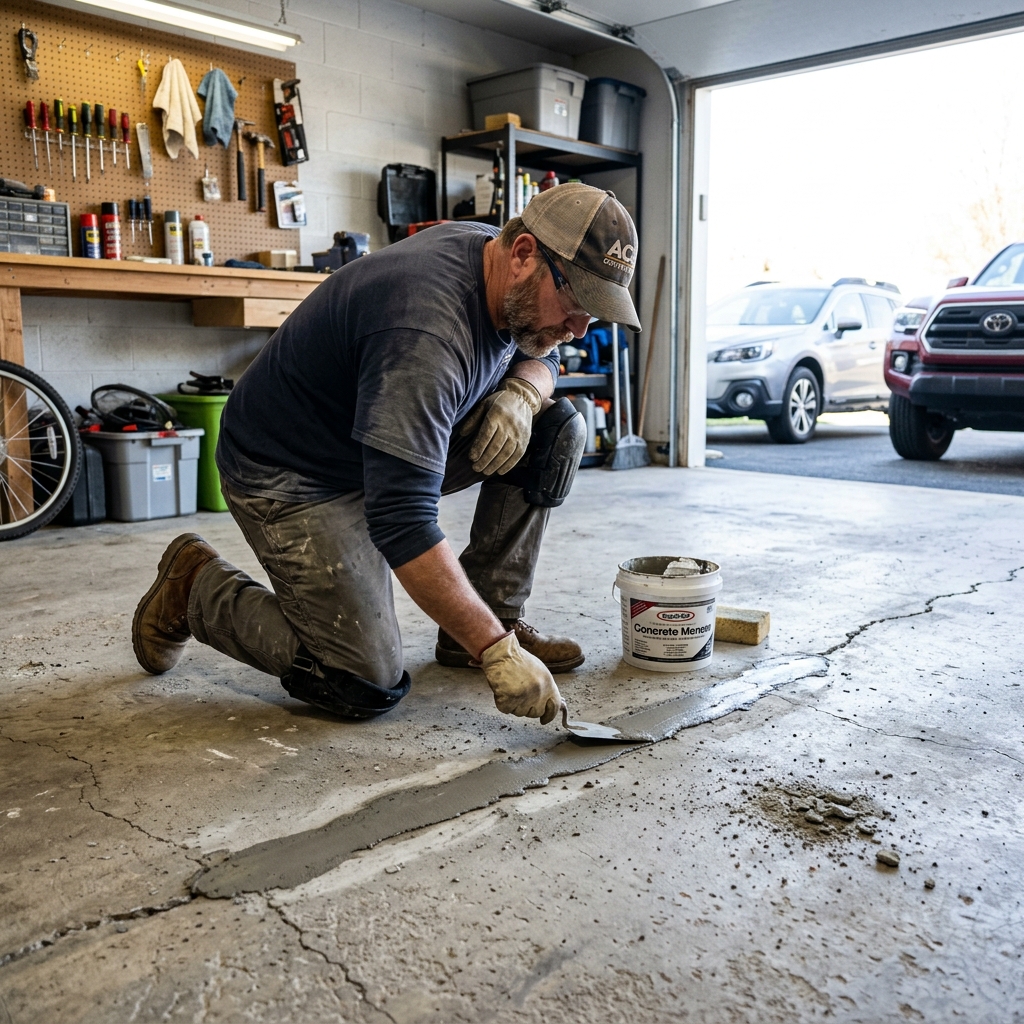
- Cracking: While epoxy can bridge minor hairline cracks in concrete, significant new cracks in the epoxy itself, or existing concrete cracks reappearing through the epoxy (known as 'reflective cracking'), can indicate substrate movement, stress, or a compromised coating.
- Bubbling or Blistering: Small bubbles or blisters forming on the epoxy surface can be caused by moisture vapor transmission from the concrete slab, outgassing during application (when air escapes from the concrete into the wet epoxy), or rapid curing.
- Discoloration or Fading: Exposure to UV light (especially common in sunny Tampa garages or outdoor areas) can cause some epoxy formulations to yellow or fade over time. Chemical spills or prolonged exposure to certain substances can also lead to permanent staining or discoloration.
- Dullness or Lack of Gloss: If your once-shiny epoxy floor has lost its luster despite regular cleaning, it might be due to heavy abrasion, chemical etching, or a breakdown of the topcoat.
- Soft Spots or Wear Patches: Areas that feel soft or have worn down to the concrete indicate heavy traffic, chemical degradation, or an application that was too thin for the intended use.
Why Does Epoxy Flooring Fail in Tampa's Climate?
Tampa's unique environmental conditions can contribute to epoxy flooring challenges. Our high humidity, intense UV exposure, and sometimes poorly prepared concrete slabs require specific considerations:
- High Humidity and Moisture: Tampa's subtropical climate means high relative humidity. If concrete isn't properly tested for moisture vapor transmission (MVT) before epoxy application, trapped moisture can cause blistering and delamination as it tries to escape through the coating.
- Intense UV Exposure: Garages or outdoor patios in Tampa often receive direct sunlight. Standard epoxy, without UV-stable topcoats, will yellow and degrade when exposed to constant ultraviolet radiation, leading to discoloration and brittleness.
- Substrate Preparation: Many epoxy failures stem from inadequate or improper concrete preparation. If the concrete isn't thoroughly cleaned, profiled (roughened), and free of contaminants like oil, grease, or previous coatings, the epoxy won't achieve a strong mechanical or chemical bond.
- Poor Installation Practices: Incorrect mixing ratios, application at improper temperatures, or insufficient cure times can all lead to a weakened, compromised epoxy system.
- Heavy Traffic & Abrasion: While epoxy is durable, extreme heavy traffic, industrial machinery, or abrasive materials can eventually wear down even the strongest coatings if they are not designed for such conditions.
Repair vs. Replace: Making the Right Decision for Your Tampa Floor
When faced with epoxy flooring issues, homeowners and businesses in Tampa often grapple with whether to repair or completely replace the floor. The decision depends on the extent and nature of the damage:
- Minor Damage (e.g., small cracks, localized peeling): Often, these issues can be effectively repaired. Our professionals can patch, fill, and re-coat localized areas, seamlessly blending the repair with the existing floor. This is typically a more cost-effective and less disruptive solution.
- Widespread Delamination or Severe Substrate Issues: If the epoxy is peeling across a large area, or if the concrete substrate itself is severely damaged (e.g., significant cracking, spalling, or high MVT), a full replacement might be the more prudent long-term solution. Attempting to repair a fundamentally compromised system can be a temporary fix at best.
- Aesthetic Upgrade: Sometimes, the existing epoxy is structurally sound but outdated or discolored. In such cases, a new topcoat or a complete re-application might be chosen for a fresh, modern look.
An honest, professional assessment from Tampa Epoxy Flooring Pros is vital to determining the best course of action. We will evaluate the damage, discuss your budget, and provide a clear recommendation.
What to Expect During a Professional Epoxy Floor Inspection?
When you call Tampa Epoxy Flooring Pros for an inspection, our experienced technicians follow a thorough process to accurately diagnose your floor's condition:
- Initial Consultation: We'll discuss your concerns, the history of the floor, and how the space is used.
- Visual Assessment: A detailed examination of the entire floor surface, looking for visible signs of failure such as peeling, cracks, bubbles, discoloration, and wear patterns.
- Moisture Testing: Using specialized equipment, we'll perform moisture vapor transmission tests to detect any underlying moisture issues in the concrete slab, a common culprit for epoxy failure in humid climates like Tampa.
- Adhesion Testing: In some cases, we may perform a small adhesion test to determine the bond strength of the existing epoxy to the concrete.
- Substrate Evaluation: We assess the condition of the concrete slab itself, checking for signs of spalling, extensive cracking, or other structural issues that could impact the epoxy.
- Detailed Report & Recommendations: Based on our findings, we'll provide a comprehensive report outlining the identified issues, their likely causes, and a clear, tailored recommendation for repair or replacement, including a transparent cost estimate.
Whether you're in South Tampa, Davis Islands, or any surrounding community, our team is equipped to provide expert assessments.
Preventative Measures: Extending Your Epoxy Floor's Life in Tampa
While professional installation is key, proper maintenance can significantly extend the life of your epoxy floor and prevent premature failure:
- Regular Cleaning: Sweep or vacuum regularly to remove abrasive dirt and debris. Mop with a mild, pH-neutral cleaner. Avoid harsh chemicals or acidic cleaners that can dull or damage the epoxy.
- Address Spills Promptly: Wipe up spills immediately, especially chemicals, oils, or automotive fluids, to prevent staining or etching.
- Use Floor Mats: Place mats at entryways and under heavy equipment or areas prone to spills or impacts to protect the epoxy surface.
- Avoid Dragging Heavy Objects: Lift and carry items rather than dragging them across the floor to prevent scratches and gouges.
- Consider UV Protection: If your epoxy floor is exposed to direct sunlight, ensure it has a UV-stable topcoat or consider applying one to prevent yellowing and fading.
- Regular Inspections: Periodically inspect your floor for any early signs of wear or damage. Early detection allows for minor repairs before they become major problems.
Don't let a failing epoxy floor diminish the value or functionality of your Tampa property. Our team of experts at Tampa Epoxy Flooring Pros is ready to provide the professional diagnosis and durable solutions you need. We understand the specific challenges posed by the Tampa climate and are committed to delivering high-quality, long-lasting epoxy flooring services. Whether you need a simple repair or a complete overhaul, we provide expert epoxy services throughout the region, including Westchase and beyond.
Contact Tampa Epoxy Flooring Pros today for a consultation or to schedule a professional inspection. Let us help you restore and protect your epoxy investment!
Need Professional Assistance?
Get a free, no-obligation estimate from our expert local team today.