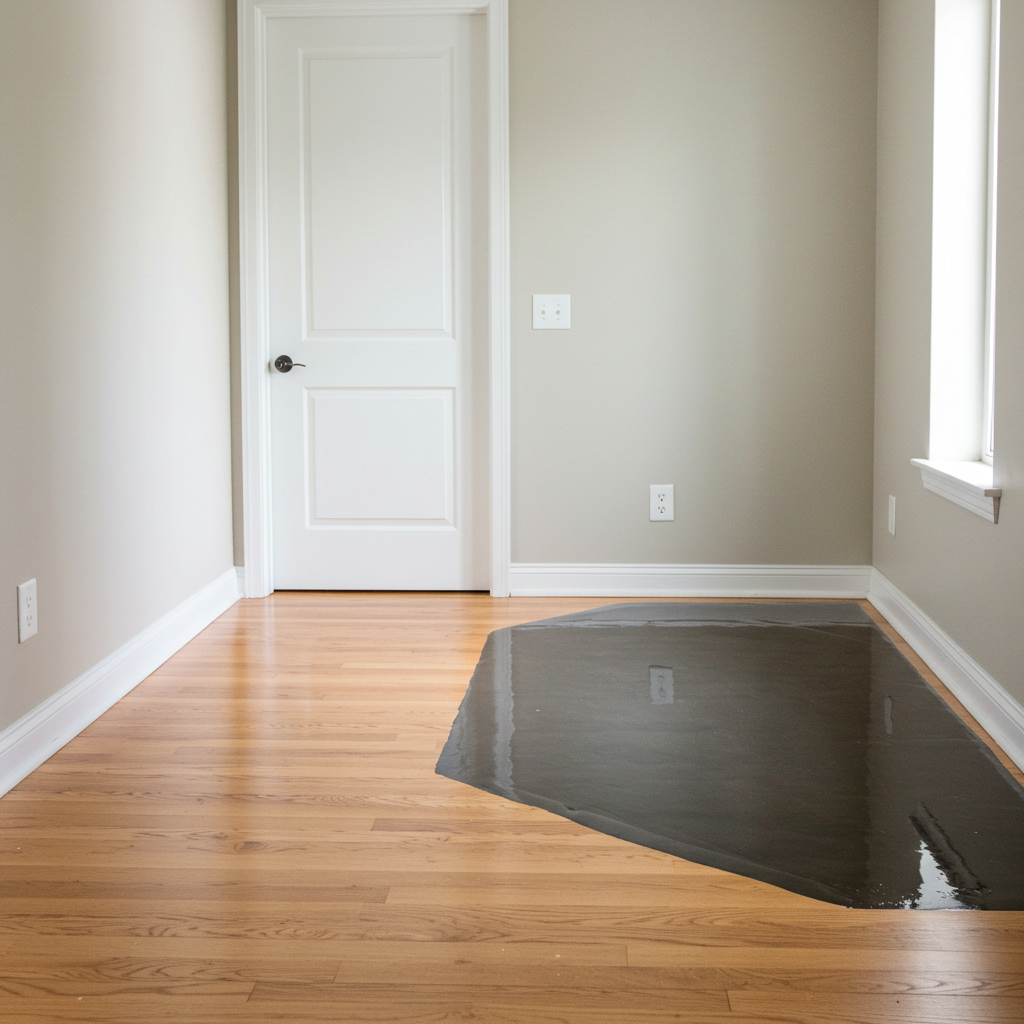
Tampa Epoxy Floor Damage: Expert Diagnosis & Repair Guide for Homeowners
Epoxy flooring is renowned for its durability and aesthetic appeal, making it a popular choice for homes and businesses across Tampa. However, like any surface, it’s not immune to wear and tear or potential installation issues. When you notice a flaw in your epoxy floor, it's natural to wonder if it's a quick fix or a larger problem. Understanding the different types of damage and their underlying causes is key to deciding whether to tackle it yourself or call in the experts. This guide will help Tampa homeowners diagnose common epoxy floor issues and make informed decisions about repair.
What are the most common types of epoxy floor damage in Tampa?
Identifying the specific type of damage is the first step towards an effective repair. Epoxy floors can experience various issues, each with distinct causes and visual cues:
- Peeling or Delamination: This is arguably one of the most frustrating types of damage. It occurs when the epoxy coating separates from the concrete substrate or from a previous layer. Often, this stems from insufficient surface preparation, where the concrete wasn't properly profiled or cleaned, preventing the epoxy from forming a strong mechanical bond. Moisture vapor transmission (MVT) from the concrete slab can also push the coating off, especially in humid climates like Tampa. Visually, you'll see edges lifting, flaking, or large sections detaching.
- Bubbles or Blisters: These appear as small to large raised areas on the epoxy surface. They can be caused by trapped air from the concrete outgassing during the curing process, especially if temperatures rise too quickly. Moisture attempting to escape the slab through the coating, or even chemical reactions within the epoxy itself, can also lead to bubbling. Small, isolated bubbles might be aesthetic, but widespread or persistent bubbling often signals deeper issues.
- Cracks and Crazing: Cracks can range from hairline fractures (crazing) to significant fissures. They usually indicate movement or stress in the concrete substrate beneath the epoxy. This could be due to settling of the foundation, heavy impacts, or even thermal expansion and contraction. While epoxy can bridge small cracks, larger ones will often propagate through the coating.
- Scratches and Abrasions: These are surface-level damages caused by friction from heavy traffic, dragging objects, or abrasive materials. While epoxy is scratch-resistant, it's not scratch-proof. Fine scratches might dull the finish, while deeper gouges can compromise the coating's integrity and expose the substrate.
- Discoloration and Fading: Exposure to UV light (especially in sun-drenched areas of Tampa like garages or outdoor spaces), certain chemical spills, or even prolonged contact with rubber tires can cause epoxy to yellow, fade, or show stains. This is primarily an aesthetic issue but can detract significantly from the floor's appearance.
Can I fix minor epoxy floor issues myself?
For very small, superficial damage, a DIY approach can be effective and cost-efficient. The key is to accurately assess the extent of the damage and understand the limitations of self-repair. Attempting a DIY fix on a widespread or complex issue can often worsen the problem, making professional repair more difficult and expensive later on.
DIY Fixes for Minor Epoxy Damage:
- Surface Scratches and Scuffs: For light scratches that haven't penetrated the topcoat, thorough cleaning and then applying a commercial epoxy floor polish or wax designed for epoxy can often restore the shine and minimize visibility. For slightly deeper but localized scratches, a clear epoxy touch-up kit can be used, carefully following manufacturer instructions for mixing and application to blend with the existing finish.
- Small Chips or Divots: Small, isolated chips can be repaired using a two-part epoxy repair kit. The process usually involves:
- Cleaning the chipped area thoroughly to remove all debris.
- Lightly sanding or roughing the edges of the chip for better adhesion.
- Mixing the epoxy repair compound according to instructions.
- Carefully filling the chip, ensuring it's level with the surrounding floor.
- Allowing it to cure completely, then sanding smooth if necessary, and potentially applying a matching topcoat for seamless integration.
- Minor Stains: Most epoxy floors are highly stain-resistant. For stubborn but superficial stains, start with a mild cleaner and soft brush. For oil or grease, a degreaser formulated for epoxy (test in an inconspicuous area first) might be needed. Avoid abrasive cleaners or harsh chemicals like bleach, which can damage the epoxy finish over time.
Remember, the success of any DIY repair hinges on meticulous surface preparation, precise product mixing, and adherence to curing times. Always refer to the specific instructions provided by the epoxy or repair kit manufacturer.
When should I call a professional for epoxy floor repair in Tampa?
While DIY can handle minor cosmetic flaws, many types of epoxy floor damage, especially those stemming from underlying issues, demand professional expertise. Attempting to fix severe problems yourself often leads to temporary solutions or, worse, exacerbates the original issue, making a proper repair more costly in the long run. In Tampa's humid environment, certain issues like moisture-related problems are particularly challenging for DIYers.
Signs It's Time for Professional Help:
- Widespread Peeling or Delamination: If large sections of your epoxy floor are lifting or flaking, it indicates a significant adhesion problem, likely due to improper installation or substantial moisture issues. A professional can properly assess the root cause, address the concrete substrate, and apply a new, properly bonded coating.
- Large or Deep Cracks: Cracks that are wide, deep, or extend across a significant area of the floor suggest structural movement in the concrete. Professionals have the tools and expertise to properly prepare and fill these cracks, preventing them from reappearing through the new epoxy layer.
- Persistent Bubbling or Blistering: If bubbles are widespread, continually reappearing, or accompanied by a sticky residue, it's a strong indicator of moisture vapor transmission. A professional can conduct moisture testing and implement vapor barrier solutions before reapplying epoxy.
- Chemical Resistance Failure: If your epoxy floor is showing significant damage from chemical spills despite being advertised as chemical-resistant, it could be an issue with the epoxy formulation or an underlying installation defect. A professional can determine if a specialized, more robust coating is needed.
- Uneven or Deteriorated Surfaces: If your floor has developed significant unevenness, pitting, or has generally deteriorated to a point where its structural integrity or safety (e.g., creating tripping hazards) is compromised, professional resurfacing or repair is essential.
Professionals like Tampa Epoxy Flooring Pros possess the specialized equipment, experience, and knowledge of local conditions to accurately diagnose complex issues and apply lasting solutions. They understand the intricacies of concrete preparation, moisture mitigation, and proper epoxy application techniques that are beyond the scope of most DIYers.
How do professionals repair severe epoxy floor damage?
When you call Tampa Epoxy Flooring Pros for severe epoxy floor damage, you're not just getting a patch job; you're getting a comprehensive, long-term solution. Their process is designed to address the root cause of the damage and restore your floor to its optimal condition.
The Professional Repair Process with Tampa Epoxy Flooring Pros:
- Thorough Inspection & Diagnosis: The first step is always a detailed assessment. Experts will meticulously inspect the damaged areas, looking for clues about the underlying cause. This might include moisture testing the concrete, checking for previous poor preparation, or identifying areas of substrate movement. Accurate diagnosis is crucial for a lasting repair.
- Advanced Surface Preparation: Unlike minor DIY fixes, severe damage often requires extensive surface preparation. This can involve grinding, shot blasting, or diamond honing the affected areas (or even the entire floor, if necessary) to remove the old, failing epoxy and create an ideal profile for new material adhesion. This step is critical to prevent future delamination.
- Substrate Repair & Mitigation: If the concrete slab itself is damaged (cracks, divots, spalling) or if moisture vapor transmission is identified, professionals will address these issues first. This could mean filling and repairing concrete cracks with specialized epoxy crack fillers, or installing a dedicated moisture mitigation barrier before applying any new epoxy.
- Expert Epoxy Application: Once the substrate is sound and properly prepared, new layers of high-quality epoxy are applied. Tampa Epoxy Flooring Pros will use professional-grade products tailored to your specific needs, ensuring proper mixing ratios, application techniques, and cure times. This often involves base coats, color coats (matched as closely as possible to your existing floor, or a full re-coat for a uniform look), and a durable topcoat.
- Quality Control & Curing: After application, the new epoxy needs to cure properly. Professionals understand the nuances of curing conditions in Tampa's climate and will ensure the process is optimal for maximum strength and longevity. A final inspection ensures the repair meets high standards of quality and durability.
Addressing epoxy floor damage promptly is essential to prevent it from worsening and becoming more costly to repair. While minor issues can be a DIY project, widespread or persistent problems almost always require the specialized knowledge and equipment of a professional. If you're facing significant epoxy floor damage in your Tampa home, don't hesitate to reach out to Tampa Epoxy Flooring Pros. Their team of experts can provide an accurate diagnosis and deliver a durable, beautiful repair that restores the integrity and appearance of your flooring for years to come.
Need Professional Assistance?
Get a free, no-obligation estimate from our expert local team today.