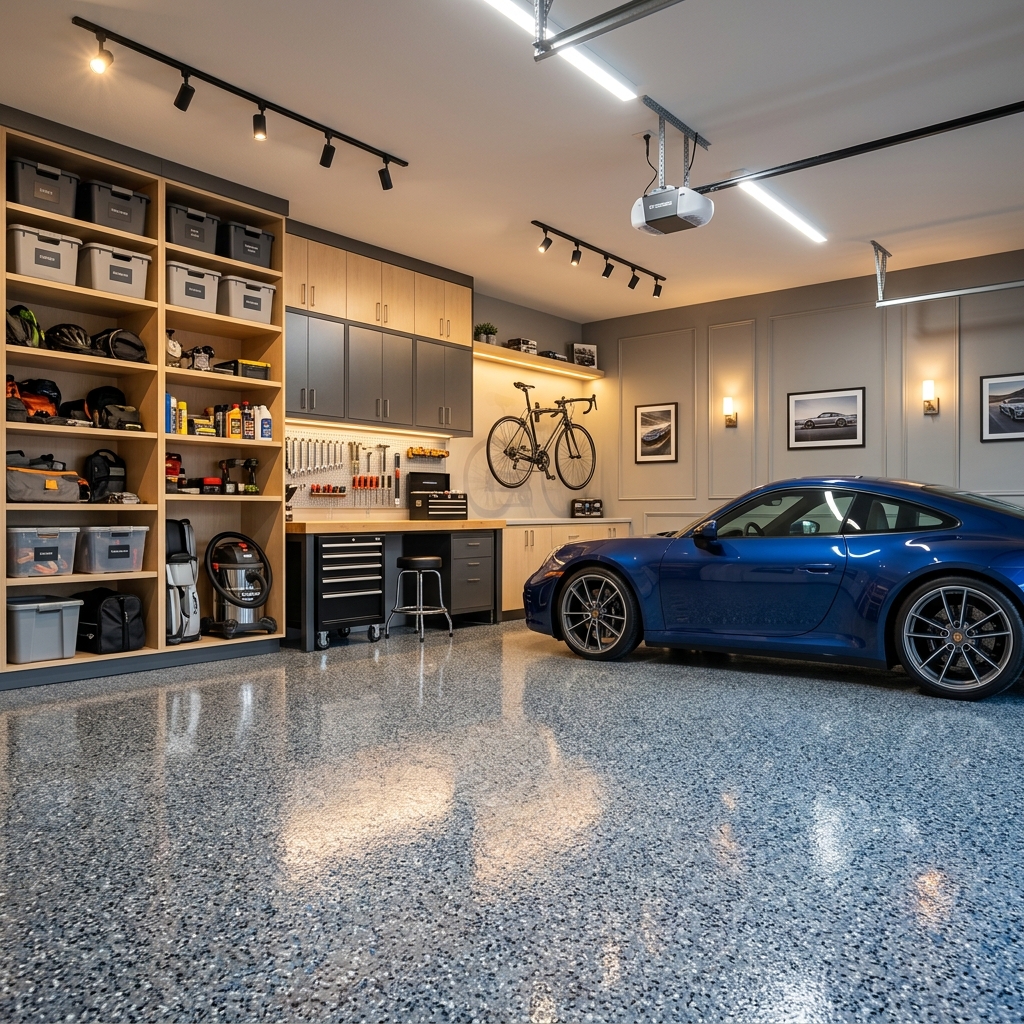
Mastering Epoxy Floor Protection in Tampa: A Pro's Guide to Preventing Damage
Epoxy flooring is a highly durable and aesthetically pleasing solution for homes and businesses across Tampa, from busy garages and industrial warehouses to pristine showroom floors and residential patios. Its resilience is unmatched when properly installed and maintained. However, even the toughest epoxy can fall victim to wear and tear, especially in a vibrant, humid environment like ours. Understanding the specific threats and implementing a strategic protection plan is paramount to preserving your floor's integrity and appearance.
Ignoring early signs of wear or neglecting proper maintenance can lead to costly repairs or even premature replacement. This guide, brought to you by Tampa Epoxy Flooring Pros, will delve into the critical aspects of epoxy floor protection, highlighting why professional insight and timely intervention are indispensable for your Tampa property.
Why Is Epoxy Floor Protection Critical in Tampa's Climate?
Tampa's subtropical climate, characterized by high humidity, intense heat, and frequent heavy rain, presents a unique set of challenges for epoxy flooring. These environmental factors can significantly impact the performance and lifespan of your epoxy if not adequately accounted for during installation and subsequent maintenance.
- High Humidity: Persistent high humidity can affect the adhesion of epoxy coatings, potentially leading to blistering or delamination over time. Moisture vapor transmission from the concrete slab, exacerbated by humidity, is a common culprit for epoxy failures in our region.
- Intense UV Exposure: Tampa experiences abundant sunshine year-round. While modern epoxy formulations are increasingly UV-resistant, prolonged exposure can still cause certain types of epoxy to yellow, fade, or become brittle, particularly in outdoor or sun-drenched areas like lanais and garages.
- Heat Fluctuations: Extreme heat, especially on uncovered exterior surfaces, can stress the epoxy, leading to expansion and contraction that may result in cracking or compromised adhesion if the substrate isn't properly prepared or the epoxy isn't suitable for high-temperature environments.
- Heavy Foot & Vehicle Traffic: Beyond climate, Tampa's active lifestyle and bustling commercial centers mean many epoxy floors endure significant daily traffic. Without adequate protective measures, scratches, abrasions, and impact damage are inevitable.
These regional specifics underscore the need for a tailored approach to epoxy floor protection – one that goes beyond generic cleaning advice and focuses on professional-grade solutions designed for our local conditions.
Common Types of Damage Prevented by Professional Care
While epoxy is robust, it's not invincible. Identifying and proactively preventing specific types of damage is key to maximizing its lifespan. Professional care offers a layer of defense against issues that can degrade your floor's appearance and structural integrity.
What Damages Can Be Avoided?
- Delamination & Peeling: Often caused by inadequate surface preparation or moisture issues, delamination can be prevented with expert moisture testing and proper primer application during installation, and addressing sub-surface moisture during maintenance.
- Cracking & Chipping: While epoxy is flexible, heavy impacts or significant subfloor movement can cause cracks. Professional installation includes proper surface profiling and crack repair prior to coating, while maintenance can address minor chips before they propagate.
- Staining & Discoloration: Although epoxy is highly stain-resistant, prolonged exposure to harsh chemicals, oils, or certain dyes can lead to permanent marks. A high-quality topcoat and prompt professional cleaning can prevent many types of staining. UV exposure leading to yellowing can be mitigated with UV-stable topcoats.
- Scratching & Abrasion: High-traffic areas are prone to surface scratches. Applying a durable, abrasion-resistant topcoat is crucial, and regular professional cleaning removes abrasive particles that contribute to wear.
- Blistering & Bubbling: These issues usually point to moisture trapped beneath the epoxy or improper mixing/application. Professional installers use moisture mitigation systems, and maintenance can identify and address early signs of moisture intrusion.
Tampa Epoxy Flooring Pros specializes in understanding these vulnerabilities and implementing preventative strategies that keep your floors looking their best.
What Does Professional Epoxy Floor Maintenance Involve?
A professional epoxy floor maintenance plan goes far beyond a simple mop and bucket. It’s a comprehensive approach designed to diagnose potential issues, address existing wear, and fortify your floor against future damage.
Key Steps in a Professional Maintenance Plan:
- Thorough Inspection & Assessment: Our technicians begin with a detailed inspection, identifying areas of concern like hairline cracks, worn topcoats, potential moisture ingress, or signs of chemical exposure. This assessment is critical for tailoring the maintenance approach to your specific floor's needs.
- Deep Cleaning & Decontamination: We use specialized industrial-grade cleaners and equipment to remove embedded dirt, grime, oils, and other contaminants that regular cleaning might miss. This process not only restores your floor's luster but also prepares it for any necessary treatments.
- Minor Repair & Restoration: Small chips, cracks, or scuffs are addressed promptly. Filling and patching these imperfections prevents them from worsening and compromising the entire coating. This restorative work extends the life of your floor significantly.
- Topcoat Rejuvenation & Re-sealing: Depending on the wear and tear, a professional may recommend re-applying a fresh topcoat or sealant. This restores the protective layer, enhances gloss, and boosts resistance to chemicals, abrasion, and UV radiation. This is particularly beneficial for floors in high-traffic commercial spaces or heavily used residential garages. For our clients in Carrollwood, maintaining this protective layer is crucial given the diverse residential and commercial applications of epoxy in the area.
- Moisture Mitigation Strategies: In Tampa's humid environment, addressing sub-surface moisture is paramount. Professional maintenance includes assessing moisture vapor transmission rates and recommending solutions like specialized primers or moisture barriers to prevent future delamination.
By entrusting your epoxy floor care to experts, you’re investing in a strategy that not only maintains its aesthetic appeal but also extends its functional lifespan, saving you money in the long run.
DIY vs. Professional: Why Expertise Matters in Tampa
While basic cleaning can be a DIY task, advanced maintenance and damage prevention for epoxy floors are best left to professionals. The complexities of epoxy chemistry, application techniques, and specific environmental factors in Tampa necessitate expert knowledge.
Why Choose Professionals for Epoxy Protection?
- Specialized Knowledge: Professionals understand different epoxy formulations, their reactions to various chemicals, and optimal application techniques. They can accurately diagnose issues and recommend the most effective solutions.
- Correct Product Application: Using the wrong cleaning agents or attempting to apply a DIY sealant can lead to irreversible damage or ineffective protection. Professionals use commercial-grade products precisely formulated for epoxy.
- Advanced Equipment: We utilize industrial-grade equipment for deep cleaning, surface preparation, and precise application of protective coatings, ensuring a superior finish and long-lasting results that DIY methods simply cannot achieve.
- Moisture Management Expertise: Dealing with moisture in concrete slabs, a common issue in humid climates like ours, requires specialized testing and mitigation techniques that only experienced professionals can effectively perform.
- Warranty Preservation: Attempting extensive DIY repairs or maintenance might void any existing warranties on your epoxy flooring. Professional services ensure compliance and maintain your investment's protection. When considering the best for your property in New Tampa, opting for professional service ensures longevity and peace of mind.
- Long-Term Cost Savings: While professional maintenance has an upfront cost, it prevents minor issues from escalating into major, expensive repairs or full replacements, ultimately saving you money over the lifespan of your floor.
Don't risk the integrity and beauty of your epoxy floors with guesswork. Tampa Epoxy Flooring Pros provides the specialized expertise needed to protect your investment effectively.
Ensuring the long-term durability and beauty of your epoxy floors in Tampa requires a proactive and professional approach to maintenance and protection. From understanding the unique challenges posed by our local climate to implementing specialized care routines, investing in expert services is the smartest way to safeguard your investment. Don't wait for damage to occur; take preventative action today.
Ready to protect your epoxy floors and extend their lifespan? Contact Tampa Epoxy Flooring Pros today for a comprehensive inspection and a personalized maintenance plan for your home or business in Tampa, FL. Let our experts ensure your floors remain stunning and resilient for years to come!
Need Professional Assistance?
Get a free, no-obligation estimate from our expert local team today.