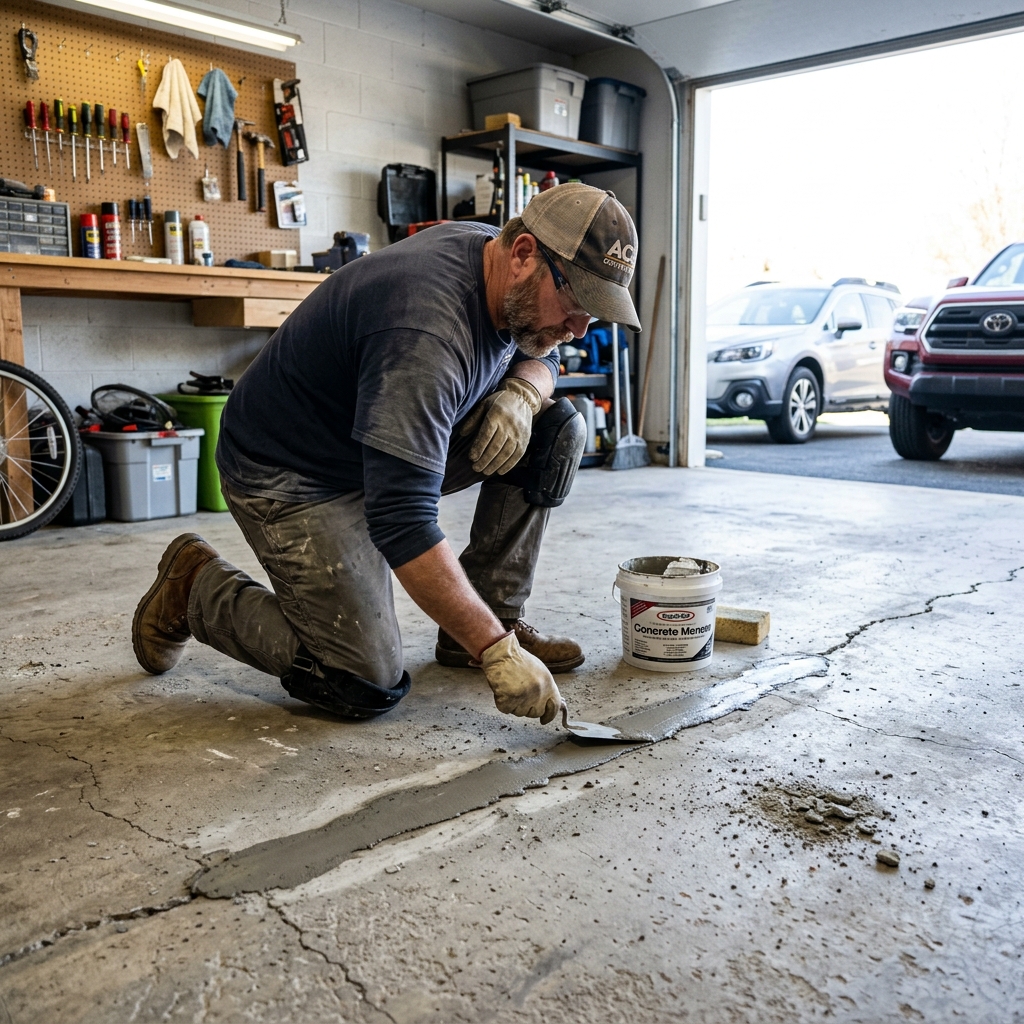
Tampa Epoxy Floor Damage: Repair or Replace? An Expert's Guide
Epoxy flooring is renowned for its durability, chemical resistance, and aesthetic appeal, making it a popular choice for homes and businesses across Tampa, FL. However, even the toughest floors can face challenges. From the relentless Florida humidity to accidental impacts and daily wear, understanding the common types of damage and knowing when to call in the professionals is crucial for maintaining your investment. This guide from Tampa Epoxy Flooring Pros will help you identify critical signs of failure and navigate the repair vs. replacement decision, ensuring your floors remain safe, functional, and beautiful.
What Are the Common Signs of Epoxy Floor Failure in Tampa?
Recognizing the early warning signs of epoxy floor damage can save you significant time and money. While minor imperfections might be superficial, certain indicators point to deeper, more critical issues that demand immediate attention:
- Delamination or Peeling: This is arguably the most common and visible sign of failure. It occurs when the epoxy coating separates from the concrete subfloor. In Tampa's humid climate, poor surface preparation (like inadequate cleaning or moisture mitigation) is a frequent culprit, trapping moisture beneath the coating. You might see bubbles, chips, or large areas lifting away.
- Cracking: Hairline cracks can appear due to minor concrete movement or thermal expansion/contraction. However, wider or spiderweb-like cracks often indicate significant subfloor issues, such as foundational shifts, excessive weight, or structural stress. These larger cracks compromise the integrity and waterproofing of the epoxy.
- Discoloration or Fading: While some fading might be normal over decades, rapid or severe yellowing, hazing, or patchy discoloration can indicate UV exposure (especially in areas with direct sunlight), chemical spills that have penetrated the topcoat, or improper mixing of the epoxy components during installation.
- Blistering and Bubbling: Small blisters or large bubbles forming on the surface can be a sign of moisture vapor transmission (MVT) from the concrete subfloor. Tampa's high water table and humidity make MVT a common challenge. Trapped moisture attempts to escape, pushing up the epoxy.
- Impact Damage & Abrasions: Heavy drops, dragging equipment, or persistent friction can chip, scratch, or gouge the epoxy. While minor marks are cosmetic, deep gouges can expose the concrete, making the floor vulnerable to chemical penetration and further breakdown.
- Erosion or Thinning: In high-traffic industrial or commercial settings, constant abrasion can gradually wear down the epoxy layer, making it thinner and less protective. This can manifest as dull, rough patches or even expose the concrete beneath.
Each of these signs tells a story about your floor's condition and can guide the decision-making process for intervention.
Can All Epoxy Floor Damage Be Repaired in Tampa?
Not all damage is created equal, and the feasibility of repair depends heavily on the nature and extent of the issue. A skilled epoxy professional from Tampa Epoxy Flooring Pros can assess the damage and recommend the most appropriate action.
When Repair is Possible:
- Localized Delamination: If only small sections (e.g., a few square feet) of the epoxy are peeling or bubbling due to a localized issue (like a spilled solvent or a specific impact), these areas can often be prepped, patched, and recoated.
- Hairline Cracks: Minor, static cracks can be filled with specialized epoxy crack fillers, ground flush, and then blended into the existing coating with a topcoat.
- Superficial Scratches and Abrasions: Light wear and tear or minor scratches can sometimes be buffed out or addressed with a fresh clear topcoat, restoring shine and protection.
- Small Chemical Stains: If a chemical spill was cleaned quickly and only caused minor surface discoloration without penetrating the epoxy, a spot repair or topcoat might suffice.
When Replacement is Necessary:
Replacement is a more significant investment, but it's often the most cost-effective long-term solution when damage is widespread or indicative of fundamental structural problems. This is especially true in areas like Forest Hills, where older concrete slabs might have inherent issues.
- Widespread Delamination: If 20% or more of your epoxy floor is peeling, bubbling, or delaminating, it's a strong indicator of a systemic failure, such as widespread moisture issues or poor initial installation. In such cases, a full removal and reapplication are usually more durable than piecemeal repairs.
- Deep, Active Cracks: Cracks that are wide, continually expanding, or indicative of significant concrete subfloor movement often require the subfloor to be addressed directly. Simply patching the epoxy will likely lead to the cracks reappearing.
- Extensive Subfloor Damage: If the concrete beneath the epoxy is crumbling, spalling, or suffering from severe moisture damage, the epoxy cannot perform effectively. The subfloor must be repaired or replaced before any new coating can be applied.
- Major Chemical Damage: When aggressive chemicals have deeply pitted, softened, or compromised the entire epoxy layer over a large area, the protective qualities are lost, and replacement is the only way to restore full functionality and safety.
- Unacceptable Aesthetics: Sometimes, even if structurally sound, a severely discolored, faded, or heavily patched floor no longer meets aesthetic standards. For businesses, this can impact customer perception.
What Factors Influence Repair vs. Replacement Costs in Tampa?
Understanding the cost implications is vital for making an informed decision for your Tampa property. Several factors play into the final price tag for both repair and replacement:
- Extent and Type of Damage: Small, isolated repairs are naturally less expensive than widespread issues. The type of damage (e.g., moisture-related vs. impact) also dictates the complexity of the fix.
- Materials Required: Repairs might only need a small amount of patching epoxy and topcoat. A full replacement involves significant material costs for primers, base coats, color flakes (if desired), and multiple layers of epoxy.
- Surface Preparation: This is often the most labor-intensive part of any epoxy job. For repairs, it might involve grinding a small area. For a full replacement, it means grinding or shot blasting the entire floor to remove old coatings and create a perfectly profiled surface for adhesion.
- Labor Costs: Professional labor, including skilled technicians for prep work, mixing, application, and finishing, constitutes a significant portion of the cost. Complex repairs can sometimes require as much labor per square foot as a new installation.
- Subfloor Condition: If the concrete subfloor needs extensive repair (e.g., crack stitching, leveling, moisture mitigation), this will add to the overall cost, especially for a full replacement.
- Square Footage: While repairs are typically priced by the affected area, full replacements are usually quoted per square foot. Larger areas generally benefit from economies of scale.
While repair might seem like the cheaper option upfront, it’s important to consider if it’s a temporary fix for a recurring problem. Investing in a full replacement when necessary often provides a superior, longer-lasting solution.
What to Expect During a Professional Epoxy Floor Assessment?
When you contact Tampa Epoxy Flooring Pros for a damaged epoxy floor, our process is thorough and transparent, ensuring you get the best recommendation. If you're located in communities like Old Seminole Heights, our team can provide on-site evaluations.
- Initial Consultation: We'll discuss your concerns, the history of the floor, and what led to the damage.
- Visual Inspection: Our technicians will meticulously examine the entire floor, identifying all visible signs of damage, their location, and apparent severity.
- Moisture Testing: Crucial for Tampa's climate, we'll use specialized meters (e.g., calcium chloride tests, in-situ relative humidity probes) to measure moisture vapor transmission rates from the concrete slab. High moisture is a common cause of delamination and blistering.
- Adhesion Testing: If delamination is present, we might perform a pull-off adhesion test to determine how well the existing epoxy is bonded to the concrete.
- Subfloor Condition Check: We'll look for signs of cracking, spalling, efflorescence, or other concrete deterioration that could impact the integrity of any new coating.
- Root Cause Analysis: Based on our findings, we'll identify the likely cause of the damage – be it improper installation, environmental factors, chemical exposure, or structural issues.
- Detailed Recommendation & Estimate: We'll provide a comprehensive report outlining the damage, its probable cause, and our expert recommendation for either repair or full replacement. This will include a transparent, itemized estimate, detailing material and labor costs.
Why Choose Tampa Epoxy Flooring Pros for Your Evaluation?
Choosing the right local partner for your epoxy flooring needs in Tampa is critical. At Tampa Epoxy Flooring Pros, we bring years of specialized experience to every project. We understand the unique challenges posed by the Florida climate and how they impact flooring systems. Our licensed and insured technicians use state-of-the-art equipment for precise diagnostics and apply industry-leading techniques for durable, high-quality results.
We prioritize transparent communication, fair pricing, and a commitment to solving your flooring problems effectively. Whether your floor needs a targeted repair or a complete overhaul, trust our expertise to restore its functionality and beauty, ensuring a long-lasting solution for your property.
Don't let damaged epoxy flooring become a safety hazard or an eyesore. If you suspect your epoxy floor is failing or simply need a professional assessment, contact Tampa Epoxy Flooring Pros today for a free, no-obligation consultation. We're here to provide expert guidance and reliable service across Tampa, FL, and surrounding communities.
Need Professional Assistance?
Get a free, no-obligation estimate from our expert local team today.