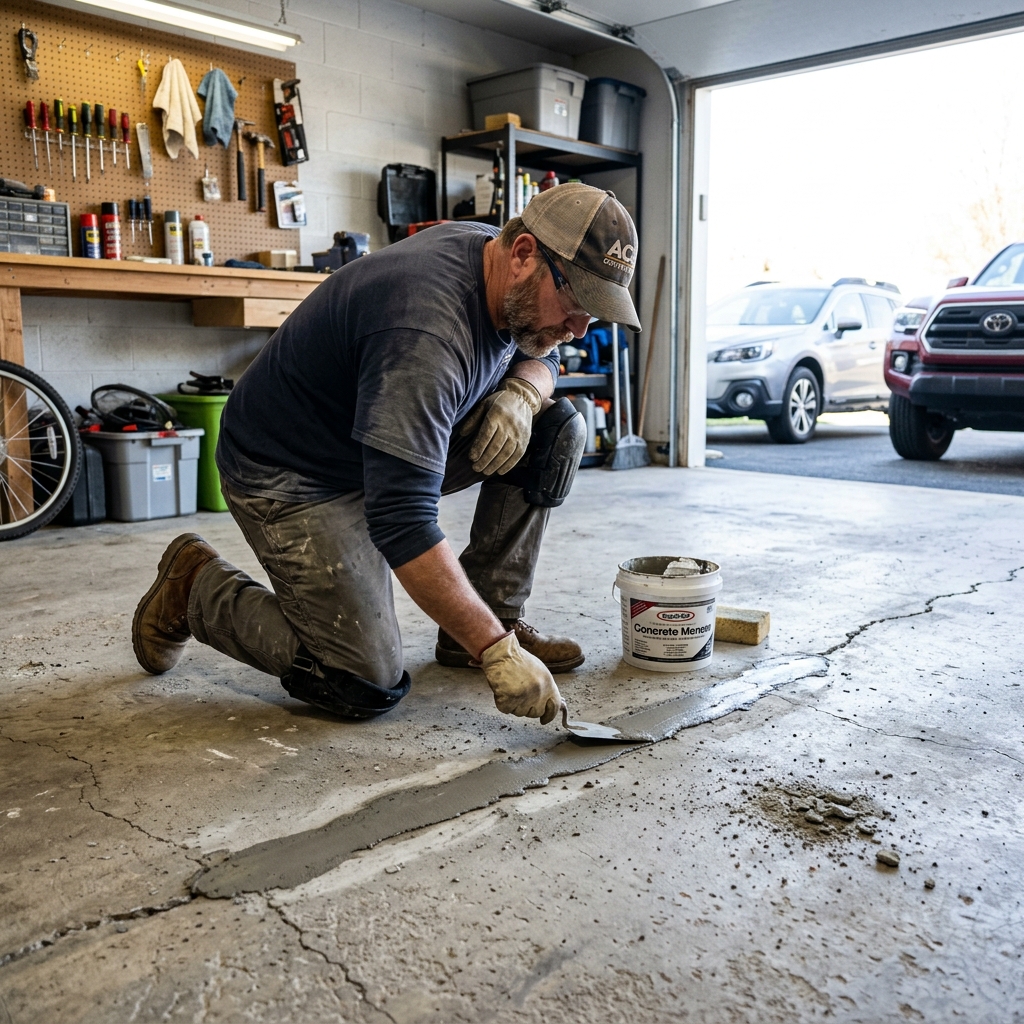
Don't Wait! Critical Signs Your Tampa Epoxy Floor Needs Immediate Professional Repair
Your epoxy floor is a significant investment designed for durability and aesthetics, but even the toughest surfaces can show signs of wear. In Tampa, Florida, understanding the critical indicators of epoxy floor damage is crucial for timely intervention, preserving your investment, and ensuring safety. Act quickly to address issues like peeling, cracks, or discoloration before they escalate into expensive repairs or necessitate a full replacement.
As a property owner in Tampa, whether commercial or residential, you rely on your epoxy floors to withstand daily challenges. From the relentless Florida heat and humidity to heavy foot traffic or industrial operations, these floors endure a lot. Recognizing the subtle — and not-so-subtle — signs of distress can save you time, money, and the headache of extensive future renovations. At Tampa Epoxy Flooring Pros, we're dedicated to helping you maintain flawless, high-performing floors.
What Are the Early Warning Signs of Epoxy Floor Failure in Tampa?
Catching problems early is key to effective and affordable epoxy floor repair. Here are the most common critical signs you should never ignore:
- Bubbling or Blistering: These small, raised pockets indicate moisture vapor transmission from the concrete slab or improper application. Tampa's high humidity makes this a common culprit, as moisture can get trapped beneath the epoxy layer, causing it to lose adhesion.
- Peeling or Delamination: When the epoxy begins to lift away from the substrate, it's a clear sign of adhesive failure. This can be due to poor surface preparation, contamination, or excessive moisture. It often starts in high-traffic areas or near edges and quickly spreads.
- Cracking or Fractures: While epoxy is strong, severe impacts, substrate movement (e.g., concrete slab shifting), or extreme temperature fluctuations can lead to cracks. In Tampa, rapid heating and cooling cycles can put stress on the material. Small cracks can expand rapidly, compromising the floor's integrity.
- Dullness or Discoloration: While some wear and tear are normal, significant dullness, yellowing, or uneven discoloration can point to UV degradation (especially in sun-exposed areas) or chemical exposure that has compromised the epoxy's protective topcoat.
- Soft Spots or Pitting: Areas that feel soft underfoot or show small depressions (pitting) suggest a breakdown in the epoxy material itself, possibly due to chemical spills, improper curing, or prolonged exposure to harsh elements.
- Excessive Abrasion or Wear: If your floor is showing premature signs of wear, such as exposed concrete aggregate or significant thinning of the epoxy layer, it indicates that the protective qualities are diminishing, making the floor vulnerable to further damage.
Why Does Tampa's Climate Affect Epoxy Flooring Integrity?
Tampa's unique subtropical climate presents specific challenges for epoxy flooring. Understanding these factors helps explain why timely maintenance and professional installation are paramount:
- High Humidity: Our year-round humidity is a major factor. If the concrete slab isn't properly tested for moisture vapor transmission (MVT) before epoxy application, trapped moisture can lead to bubbling, blistering, and delamination. Proper moisture mitigation is critical during installation.
- Intense Heat and UV Exposure: The Florida sun is powerful. Floors exposed to direct sunlight without UV-stable epoxy can yellow, fade, and degrade faster. High ambient temperatures also affect the curing process, requiring experienced installers to adjust for optimal results.
- Substrate Challenges: Older concrete slabs in Tampa may have pre-existing cracks, contaminants, or poor porosity. Without thorough surface preparation — including grinding, cleaning, and crack repair — the epoxy may not adhere correctly, leading to premature failure.
These environmental stressors mean that epoxy flooring in Tampa requires a precise application and, over time, a keen eye for maintenance. Neglecting these climate-specific considerations can significantly shorten the lifespan of your floor.
Repair or Replace? Making the Right Decision for Your Tampa Property
Once you've identified damage, the next crucial step is deciding whether to repair or replace your epoxy floor. This decision often hinges on the extent and nature of the damage, as well as your budget and long-term goals.
- When to Repair: Isolated issues like minor cracks, small areas of peeling, or localized discoloration can often be repaired. A professional assessment can determine if a patch, a new topcoat, or a targeted repair can seamlessly restore your floor's appearance and functionality. This is often the more cost-effective solution for contained damage. For instance, a small area of delamination in a Tampa Palms garage might be easily patched.
- When to Replace: Widespread damage, such as extensive delamination across a large area, severe and numerous cracks indicating substrate issues, or pervasive chemical damage, often warrants a full replacement. If the floor is beyond its useful life or if the underlying concrete has significant structural problems, a complete overhaul might be the only way to ensure long-term durability and safety. While a larger investment upfront, replacement guarantees a fresh start and addresses foundational problems.
Tampa Epoxy Flooring Pros offers detailed evaluations to help you make an informed decision, providing transparent cost breakdowns for both repair and replacement options.
What Happens During a Professional Epoxy Floor Inspection?
When you call Tampa Epoxy Flooring Pros for an inspection, you're not just getting a quick look; you're getting a comprehensive analysis from local experts. Here’s what you can expect:
- Detailed Visual Assessment: Our technicians will meticulously examine your entire floor, noting all signs of damage, wear patterns, and potential failure points. This includes inspecting edges, corners, high-traffic zones, and areas exposed to sunlight or moisture.
- Moisture Testing: Using specialized equipment, we'll perform moisture tests on your concrete slab to identify any underlying issues with moisture vapor transmission, a common problem in Tampa's climate that can lead to epoxy failure.
- Substrate Evaluation: We assess the condition of the concrete substrate beneath your epoxy. Issues like concrete spalling, deep cracks, or insufficient profile can all contribute to epoxy problems.
- Adhesion Testing: In some cases, we may perform adhesion tests to determine how well the epoxy is bonded to the substrate, helping us understand the root cause of peeling or delamination.
- Comprehensive Report & Recommendations: After the assessment, you'll receive a detailed report outlining our findings, the probable causes of the damage, and clear recommendations for either repair or replacement. This will include a transparent, no-obligation quote for the recommended services. This thorough approach ensures that whether you're in a commercial space in Downtown Tampa or a residential property, you receive the best advice.
Ignoring the warning signs of epoxy floor damage can lead to compromised safety, decreased property value, and significantly higher repair costs down the line. Don't let minor issues turn into major headaches.
If you've noticed any of these critical signs on your epoxy floor in Tampa, FL, it's time to act. Contact Tampa Epoxy Flooring Pros today for a professional inspection. Our experienced team will accurately diagnose the problem and provide durable, cost-effective solutions tailored to your needs. Protect your investment and ensure the longevity of your floors – call us now to schedule your consultation!
Need Professional Assistance?
Get a free, no-obligation estimate from our expert local team today.