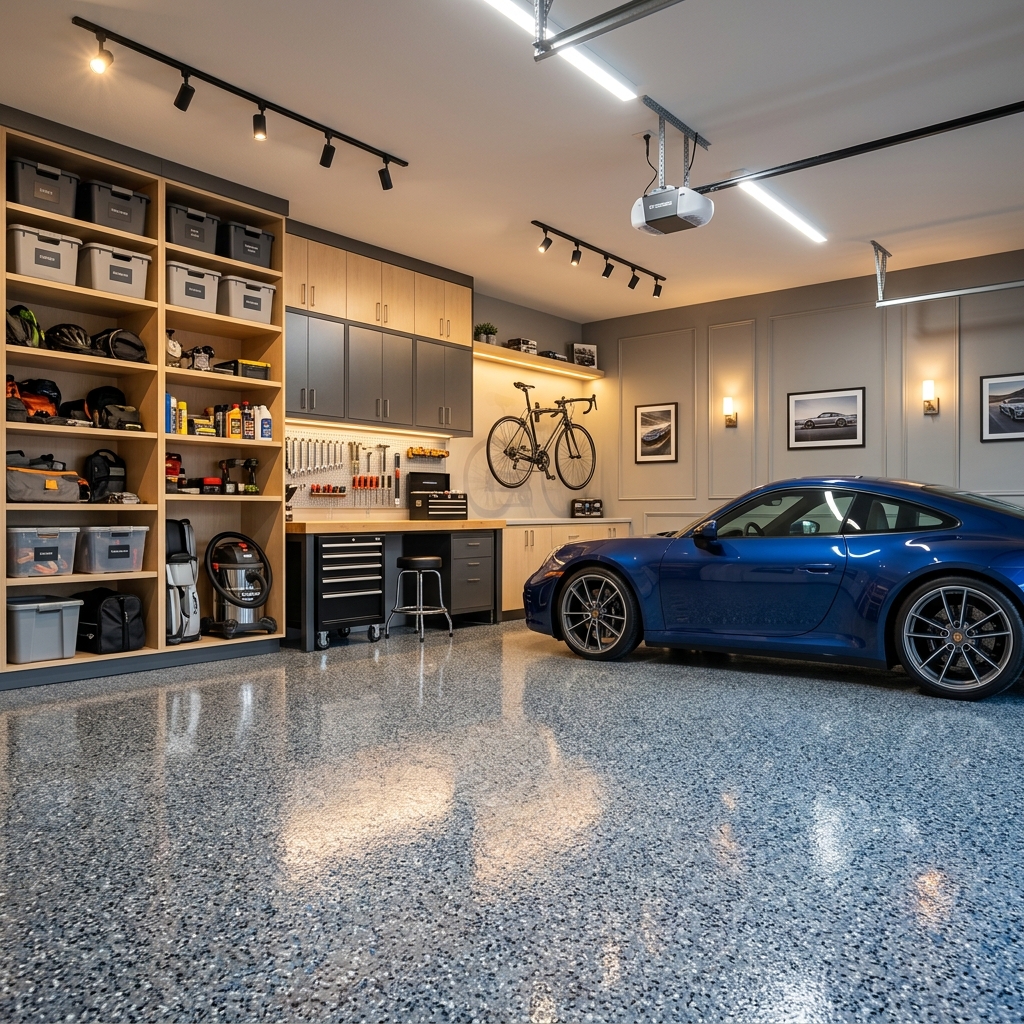
Cracks in Your Tampa Epoxy Floor? Expert Repairs & Cost Solutions
Epoxy flooring is renowned for its durability, resistance to chemicals, and aesthetic versatility, making it a popular choice for both residential and commercial properties across Tampa. However, even the toughest floors can develop issues over time, especially when exposed to the unique environmental factors prevalent in Florida. Cracks, chips, and delamination are not just cosmetic flaws; they can indicate underlying problems that, if left unaddressed, could compromise the entire flooring system. Understanding the causes and available solutions is key to maintaining your investment.
Why Are My Epoxy Floors Cracking in Tampa, FL?
The subtropical climate of Tampa, with its high humidity, intense sun exposure, and occasional heavy rainfall, plays a significant role in the longevity of epoxy floors. Several factors contribute to cracking and damage:
- Substrate Movement: The most common cause. Concrete slabs, especially older ones or those in areas with expansive soils (common around Riverview), can shift and settle over time. This movement directly translates into stress on the epoxy coating, leading to hairline fractures or larger cracks.
- Improper Installation: This includes inadequate surface preparation (e.g., not properly cleaning, grinding, or profiling the concrete), insufficient curing time, or incorrect mixing ratios of the epoxy components. Air bubbles trapped during application can also weaken the bond.
- Moisture Vapor Transmission (MVT): High humidity and moisture seeping up through the concrete slab (common in Florida's water table) can create hydrostatic pressure, causing the epoxy to delaminate, bubble, and crack. A proper moisture barrier is essential during installation.
- Heavy Impact or Abrasions: Dropping heavy tools, dragging sharp objects, or constant heavy traffic without adequate protective topcoats can lead to chips, gouges, and eventually stress cracks.
- Thermal Shock/Expansion: Rapid temperature changes, though less common as a sole cause, can contribute to stress if the epoxy isn't formulated to handle expansion and contraction adequately, especially in areas exposed to direct sunlight or varying indoor/outdoor conditions.
- UV Degradation: While some epoxy systems offer UV resistance, prolonged exposure to Florida's intense sunlight can cause certain types of epoxy to yellow, become brittle, and eventually crack or flake.
Can Damaged Epoxy Flooring Be Repaired or Does It Need Replacement in Tampa?
Determining whether to repair or replace your damaged epoxy floor in Tampa depends on the extent and nature of the damage. A professional assessment by an experienced epoxy flooring specialist is crucial.
When Repair is a Viable Option:
- Hairline Cracks: Small, superficial cracks can often be cleaned, filled with a suitable epoxy or polyurea crack filler, and then sanded flush. A new topcoat might be applied to blend the repair.
- Small Chips or Gouges: Isolated chips can be patched with color-matched epoxy, feathered out, and sealed.
- Minor Delamination/Bubbling: If the delamination is localized and hasn't compromised a large area, the affected section can sometimes be carefully cut out, the substrate prepared, and a new patch applied and blended.
- Surface Scratches/Wear: If the damage is primarily to the topcoat, a thorough cleaning, light sanding, and reapplication of a fresh clear topcoat can restore the finish.
When Replacement May Be Necessary:
- Extensive Cracking/Shattering: If cracks are widespread, deep, or spider-webbing across large sections, it often indicates significant substrate issues or a complete failure of the original application, making spot repairs impractical and short-lived.
- Widespread Delamination: Large areas of the epoxy peeling away from the concrete suggest a systemic bonding failure, likely due to severe moisture issues or improper prep. Trying to patch large, failed areas is often less cost-effective than a complete re-installation.
- Severe Moisture Vapor Transmission (MVT) Issues: If professional moisture testing reveals high levels of MVT that were not adequately addressed during the initial installation, a full removal and re-application with a high-quality moisture barrier system is often the only permanent solution.
- Contamination: If the epoxy has been severely contaminated with oils, chemicals, or other substances that have penetrated deep into the coating or substrate, repair might not be possible without removing the compromised material.
What to Expect During a Professional Epoxy Floor Inspection in Tampa
When you contact Tampa Epoxy Flooring Pros for a damaged floor assessment, our process is thorough and designed to identify the root cause of the problem:
- Initial Consultation: We'll discuss the history of your floor, when the damage appeared, and any environmental factors you've observed.
- Visual Inspection: Our technicians will meticulously examine the entire floor area, noting the type, size, and pattern of cracks, delamination, and other damage. We'll check for signs of moisture, chemical exposure, or impact.
- Moisture Testing: Using specialized equipment, we'll perform moisture vapor transmission rate (MVTR) tests to determine if moisture seeping from the concrete slab is contributing to or causing the damage. This is especially critical in humid areas like Temple Terrace.
- Adhesion Testing: In some cases, we may perform pull-off adhesion tests to assess the bond strength between the epoxy and the concrete substrate.
- Substrate Evaluation: We'll examine the concrete slab itself for signs of significant structural cracks, spalling, or irregularities that might indicate underlying issues requiring concrete repair before any epoxy work.
- Detailed Report & Recommendations: Based on our findings, we'll provide a comprehensive report detailing the cause of the damage, recommended repair or replacement options, a clear explanation of the process, and a transparent cost estimate.
How Much Does Epoxy Floor Repair Cost in Tampa, FL?
The cost of epoxy floor repair in Tampa, FL, can vary significantly depending on several factors:
- Type and Extent of Damage: Small hairline cracks are far less expensive to fix than widespread delamination or severe structural cracks requiring substrate repair.
- Size of the Area: Repairing a few square feet will naturally cost less than addressing issues across a large warehouse or garage.
- Materials Required: Specialized crack fillers, moisture mitigation products, color-matched epoxy, and specific topcoats all have varying material costs.
- Labor: The complexity of the repair dictates the labor hours involved. Extensive surface preparation, grinding, and multi-step patching will increase labor costs.
- Accessibility: Floors in easily accessible, open areas are simpler to work on than those in confined spaces or areas requiring furniture removal.
For minor spot repairs (e.g., a few small cracks or chips), you might expect costs starting from a few hundred dollars. However, for more extensive damage or partial resurfacing, costs can range into thousands. A full epoxy floor replacement, including removal of the old system and comprehensive substrate preparation, will naturally be at the higher end of the spectrum. The best way to get an accurate estimate is through a professional, on-site inspection and quote from Tampa Epoxy Flooring Pros.
Preventing Future Epoxy Floor Damage in Tampa's Climate
While some damage is unavoidable, proactive measures can significantly extend the life of your epoxy floor:
- Professional Installation: Always choose experienced, reputable epoxy flooring contractors who understand local conditions and utilize proper surface preparation techniques and high-quality materials.
- Moisture Mitigation: Ensure your installer performs thorough moisture testing and applies a suitable moisture vapor barrier if needed, especially for ground-level slabs.
- Appropriate System Choice: Select an epoxy system designed for your specific use (e.g., chemical resistance for industrial settings, UV resistance for outdoor or sun-exposed areas) and Tampa's climate.
- Regular Cleaning: Keep your epoxy floor clean using recommended methods to prevent abrasive debris from scratching the surface.
- Prompt Spill Cleanup: Immediately clean up spills, especially harsh chemicals, to prevent etching or staining.
- Heavy Object Protection: Use mats or protective pads under heavy machinery, furniture, or areas prone to impact.
- Periodic Inspection: Regularly inspect your floor for any early signs of wear, cracks, or delamination, so small issues can be addressed before they escalate.
Don't let damaged epoxy flooring diminish the look or functionality of your property. If you're noticing cracks, peeling, or other issues with your epoxy floor in Tampa, FL, or the surrounding communities, contact Tampa Epoxy Flooring Pros today. Our expert team provides comprehensive inspections, honest assessments, and durable repair or replacement solutions tailored to your specific needs and budget. Schedule your consultation and ensure your epoxy floor remains a strong, beautiful asset for years to come.
Need Professional Assistance?
Get a free, no-obligation estimate from our expert local team today.