Solve Common Epoxy Flooring Problems in Tampa: Expert Repair & Prevention
Epoxy flooring offers an unparalleled combination of durability, aesthetics, and ease of maintenance, making it a popular choice for homes and businesses across Tampa, FL. However, even the toughest floors are not immune to issues, especially when subjected to Florida's challenging climate. Understanding common epoxy flooring problems, their causes, and how to address them is key to preserving your investment. At Tampa Epoxy Flooring Pros, we specialize in diagnosing and resolving these issues, ensuring your floor remains in pristine condition.
Why Does Epoxy Flooring Fail in Tampa's Climate?
Tampa's climate, characterized by high humidity, intense heat, and powerful UV radiation, plays a significant role in how epoxy floors perform over time. Several factors, often exacerbated by our local environment, can contribute to epoxy failure:
- Moisture Vapor Transmission (MVT): This is perhaps the most common culprit in Florida. Concrete, a porous material, can release moisture vapor from the ground beneath it. If not properly mitigated during installation, this moisture can get trapped under the epoxy coating, leading to bubbles, blisters, and eventually delamination (peeling). Tampa's high water table and frequent rainfall make MVT a constant concern.
- Improper Surface Preparation: The most critical step in epoxy application is surface preparation. If the concrete isn't properly cleaned, profiled, and free of contaminants (oil, grease, old coatings, efflorescence), the epoxy won't adhere correctly. In Tampa, this often includes dealing with residues from past flooring, or even mold and mildew growth in humid environments.
- UV Exposure and Heat: Direct sunlight, especially in garages, warehouses, or outdoor areas, can cause certain types of epoxy to yellow, chalk, or fade over time. The intense heat can also contribute to quicker curing and potential brittleness if the product isn't formulated for high-temperature applications.
- Poor Quality Materials or Installation: Using inferior epoxy products or cutting corners during installation can significantly shorten the lifespan of your floor. This includes incorrect mixing ratios, applying too thin a coat, or failing to use appropriate primers and sealers for Tampa's conditions.
- Chemical Exposure & Abrasions: While epoxy is highly resistant, prolonged exposure to harsh chemicals or severe physical abrasion without proper topcoats can degrade the surface, leading to dullness, stains, or wear.
What Are the Warning Signs of Epoxy Failure You Shouldn't Ignore?
Catching problems early can save you significant repair costs and extend the life of your epoxy floor. Here are critical warning signs that indicate your epoxy floor may be failing and requires professional attention:
- Peeling or Delamination: This is when the epoxy lifts away from the concrete substrate. It often starts at edges or areas of heavy traffic and can indicate poor adhesion due to MVT, insufficient surface prep, or moisture issues.
- Bubbling or Blistering: Small or large bubbles appearing on the surface of your epoxy floor are a classic sign of trapped moisture vapor. These can also occur if the epoxy cures too quickly in high heat, trapping air.
- Cracks or Chips: While epoxy is durable, extreme impacts or significant subfloor movement can cause cracks or chips. These can also develop from applying epoxy over existing cracks that were not properly addressed.
- Dulling or Fading: If your once vibrant floor has lost its luster or appears discolored, it could be due to UV exposure, chemical degradation, or simply normal wear and tear without proper maintenance or a UV-stable topcoat.
- Chalking: A powdery residue on the surface indicates the epoxy is breaking down, often due to UV degradation.
- Soft Spots or Stickiness: This indicates the epoxy did not cure properly, possibly due to incorrect mixing ratios or environmental conditions during application.
When Should You Call a Professional for Epoxy Flooring Repair in Tampa?
While minor cosmetic blemishes might be manageable for a savvy DIY enthusiast, most significant epoxy flooring problems require professional intervention. Attempting complex repairs without the right tools, knowledge, and materials can often worsen the issue or lead to a temporary fix that fails quickly. You should contact Tampa Epoxy Flooring Pros immediately if you observe any of the following:
- Widespread Peeling or Bubbling: If more than a small, isolated area is affected, it's a sign of a systemic issue that needs expert assessment.
- Persistent Moisture Issues: If you suspect MVT is causing your problems, a professional will have the specialized equipment to test for it and recommend appropriate mitigation strategies before re-coating.
- Cracks Affecting Substrate Integrity: Deep cracks or those that seem to be expanding could indicate structural issues with your concrete slab, which must be addressed by an expert to prevent further damage.
- Safety Hazards: Any uneven surfaces, large delaminated sections, or excessively slippery areas pose a tripping hazard and demand immediate professional attention.
- Desire for Long-Term Solutions: A professional repair isn't just about fixing the symptom; it's about identifying and resolving the root cause to ensure the repair lasts. When considering professional help, it's wise to look for local specialists. For example, homeowners and businesses in Brandon often rely on our expertise for similar flooring challenges.
Early intervention can prevent small problems from escalating into costly full-floor replacements. Our team can conduct a thorough inspection, identify the underlying causes of your epoxy failure, and provide a tailored, effective repair plan.
How Can Tampa Epoxy Flooring Pros Restore Your Floor?
Our process for repairing and restoring epoxy floors in Tampa is meticulous and designed for lasting results:
- Comprehensive Assessment: We start with a detailed inspection of your existing epoxy floor. This includes identifying the type of failure, assessing the concrete substrate for moisture or structural issues, and determining the extent of the damage.
- Surface Preparation: Depending on the issue, this might involve grinding, shot blasting, or diamond tooling the affected areas to remove failed coatings and properly profile the concrete. This step is crucial for ensuring strong adhesion of new materials.
- Moisture Mitigation: If MVT is detected, we apply specialized moisture vapor barrier systems designed to prevent future delamination.
- Targeted Repair Techniques:
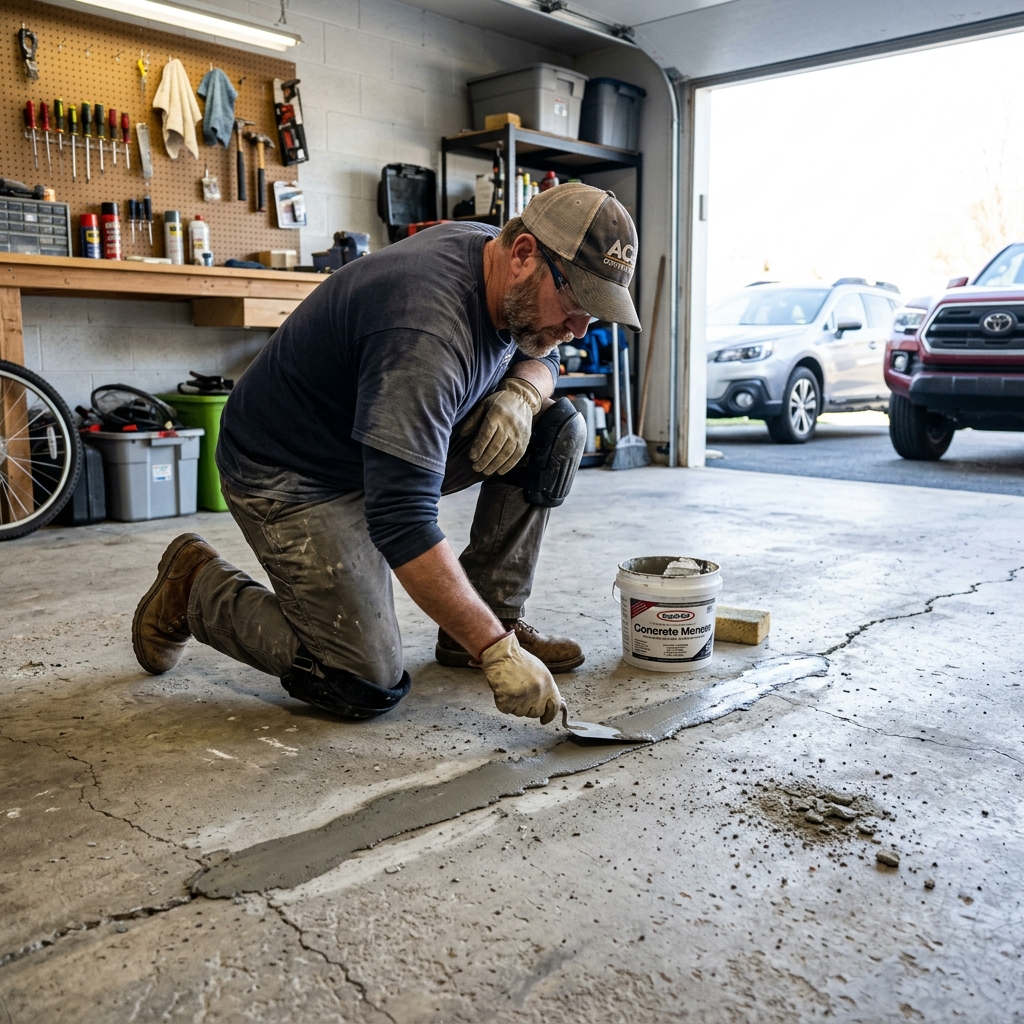
- Patching and Crack Repair: We use industrial-grade epoxy fillers and repair compounds to mend cracks, chips, and spalls, creating a seamless surface.
- Re-coating and Resurfacing: For floors with significant wear or widespread but superficial damage, we may prepare the surface and apply a new layer of high-performance epoxy, potentially with a fresh color or decorative flakes.
- Delamination Resolution: For widespread peeling, a complete removal of the existing epoxy might be necessary, followed by a full re-application with enhanced surface preparation and moisture control.
- Protective Topcoats: We often apply durable, chemical-resistant, and UV-stable topcoats to protect your newly repaired or restored floor from future damage, ensuring longevity and maintaining its aesthetic appeal in Tampa's climate. Our comprehensive service extends beyond Tampa, providing top-tier solutions, such as Epoxy Flooring in Clearwater, ensuring consistent quality across the region.
Don't let common epoxy flooring problems diminish the beauty and functionality of your space. Contact Tampa Epoxy Flooring Pros today for a professional consultation. Our local experts are ready to diagnose your issues and provide reliable, long-lasting solutions for your Tampa property. Call us to schedule your on-site assessment and bring your epoxy floor back to life!
Need Professional Assistance?
Get a free, no-obligation estimate from our expert local team today.