Expert Assessment: Critical Signs Your Tampa Epoxy Floor Needs Professional Help
Your epoxy floor represents a significant investment in durability, aesthetics, and safety for your Tampa home or business. Recognizing the early signs of wear, damage, or substrate failure is crucial for timely intervention, preventing minor issues from escalating into expensive, extensive repairs or even full replacement. Proactive assessment by Tampa Epoxy Flooring Pros can save you time, money, and stress.
What Are the Early Warning Signs of Epoxy Failure in Tampa?
Epoxy flooring is renowned for its resilience, but even the best installations can show signs of distress over time, especially under Florida's unique environmental conditions. Being aware of these indicators allows for prompt action, often extending the lifespan and preserving the integrity of your floor.
- Peeling or Delamination: This is arguably the most common and visible sign of epoxy failure. It occurs when the epoxy coating lifts away from the concrete substrate or from a previous epoxy layer. In Tampa, high humidity and improper surface preparation (especially moisture trapped in the concrete) are frequent culprits. If you see areas where the coating is flaking, bubbling, or literally peeling back, it's a critical sign.
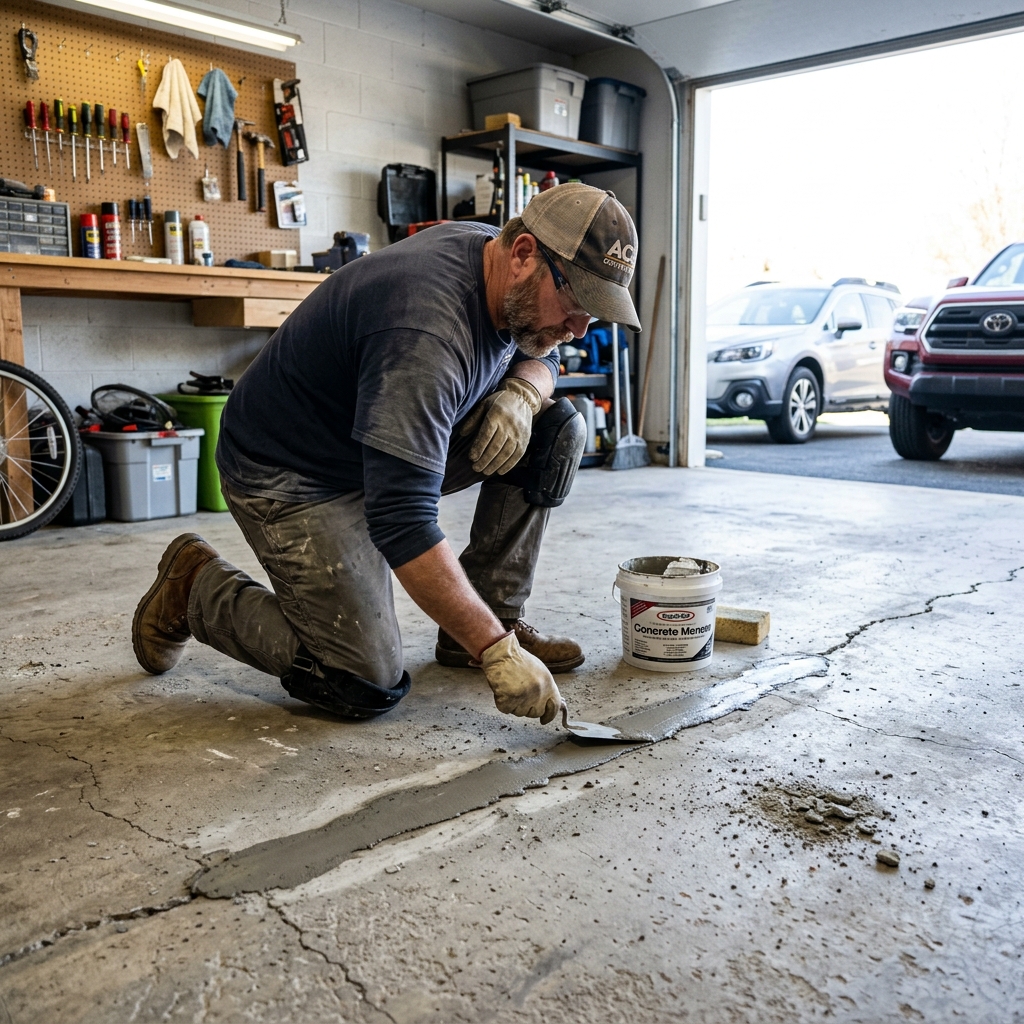
- Cracking: While epoxy is flexible to a degree, significant cracks (beyond hairline fissures) often indicate movement or structural issues with the concrete slab beneath. Tampa's sandy soil and occasional heavy rains can sometimes contribute to substrate shifts. Cracks in the epoxy can allow moisture and contaminants to penetrate, leading to further damage.
- Bubbling or Blistering: Small bubbles or blisters forming on the surface can point to trapped moisture vapor attempting to escape from the concrete slab. This is particularly prevalent in our humid Tampa climate where concrete can hold significant moisture. It often signifies a lack of proper moisture mitigation during installation or an underlying hydrostatic pressure issue.
- Discoloration or Fading: While some discoloration can be normal over many years, premature yellowing or significant fading, especially in areas exposed to direct sunlight, indicates UV degradation or a low-quality topcoat. Florida's intense sun can be merciless on unprotected epoxy.
- Soft Spots or Wear: Areas that feel softer than the surrounding floor or show excessive wear and tear (e.g., worn-through spots exposing the concrete) can suggest inadequate coating thickness, poor adhesion, or exceptionally heavy traffic.
- Loss of Gloss: If your once-shiny epoxy floor looks dull or matte, beyond normal surface grime, it might be due to chemical exposure, abrasion, or degradation of the topcoat.
If you observe any of these symptoms, it's time to consult with local experts. Ignoring them will only worsen the problem, potentially compromising safety and incurring higher repair costs down the line.
Why Do Epoxy Floors Fail, Especially in Florida's Climate?
Epoxy floor failures aren't always a result of poor installation; sometimes, environmental factors play a significant role. Understanding these causes helps in both prevention and effective repair. In Tampa, FL, several unique challenges contribute to epoxy issues:
- High Humidity and Moisture Vapor Transmission (MVT): Florida's notoriously high humidity levels mean that concrete slabs often contain significant moisture. If this moisture is not properly tested for and mitigated before epoxy application, it can lead to bubbling, delamination, and adhesion failure as vapor pressure builds beneath the coating.
- Substrate Preparation Issues: The single most common reason for epoxy failure is inadequate surface preparation. This includes insufficient cleaning, grinding, or acid etching, leading to poor adhesion. For residential properties or commercial spaces in Dunedin, our experts ensure meticulous preparation.
- UV Exposure: Many standard epoxy formulations are susceptible to yellowing and chalking when exposed to direct sunlight. In sunny Tampa, garages, outdoor patios, or areas near large windows can suffer from UV degradation if a UV-stable topcoat isn't applied.
- Improper Mixing or Application: Epoxy is a two-part system that requires precise mixing ratios and specific application techniques. Deviations can result in soft spots, uneven curing, or a weak, brittle coating.
- Chemical Exposure: While epoxy is chemical-resistant, prolonged exposure to harsh chemicals, solvents, or automotive fluids can degrade the surface, leading to discoloration, softening, or breakdown of the coating.
- Foundation Movement: While less common, any significant movement or settling of the building's foundation can cause cracks in the concrete slab, which will then reflect through the epoxy coating.
Our team at Tampa Epoxy Flooring Pros understands these local nuances and applies industry best practices to ensure a durable, long-lasting finish.
What Happens During a Professional Epoxy Floor Inspection?
When you call Tampa Epoxy Flooring Pros for an assessment, you're not just getting a quote; you're getting a comprehensive diagnostic service. Our inspection process is thorough and designed to identify the root cause of your epoxy floor issues.
Our Step-by-Step Inspection Process:
- Initial Consultation: We discuss your concerns, the history of the floor, and any specific issues you've noticed.
- Visual Assessment: Our technicians will systematically inspect the entire floor surface, looking for all the warning signs mentioned above – peeling, cracking, bubbling, discoloration, and wear patterns. We pay close attention to high-traffic areas and regions exposed to sunlight or moisture.
- Moisture Testing: This is a critical step in Florida. We use specialized equipment, such as a calcium chloride test or a relative humidity probe (in-situ probe), to accurately measure the moisture vapor emission rate and relative humidity within your concrete slab. High moisture levels are often the unseen culprit behind many epoxy failures.
- Adhesion Testing: For existing epoxy, we might perform a simple adhesion test to determine how well the current coating is bonded to the substrate.
- Substrate Analysis: We examine the concrete slab for structural integrity, efflorescence, existing sealers, or contaminants that could be impacting the epoxy's performance.
- Environmental Factor Assessment: We consider the local environment – sun exposure, ventilation, and potential sources of humidity or water intrusion – that might be contributing to the problem.
- Detailed Report & Recommendations: Following the inspection, you'll receive a detailed report outlining our findings, the probable cause of failure, and our expert recommendations for repair or replacement. We'll explain the options clearly, addressing both immediate concerns and long-term solutions specific to your Tampa property.
Repair vs. Replacement: Making the Right Decision for Your Tampa Floor
Deciding whether to repair or fully replace your epoxy floor is a critical decision, balancing cost, longevity, and aesthetics. Our experts will guide you based on the severity and nature of the damage.
When Repair is Often Sufficient:
- Localized Bubbling or Peeling: If the issue is confined to a small, isolated area, careful grinding, re-priming, and re-coating of that section can often resolve the problem.
- Minor Cracks: Small, non-structural cracks in the epoxy can sometimes be ground out, filled with an appropriate epoxy crack filler, and then top-coated.
- Surface Scratches or Dullness: If the underlying epoxy is sound, but the surface is scratched or dull, a fresh application of a clear topcoat can restore its appearance and protective qualities.
When Replacement is Often Necessary:
- Widespread Delamination or Peeling: If large sections of the epoxy are lifting, it often indicates a fundamental adhesion problem across the entire floor, making a full replacement more cost-effective and durable in the long run.
- Extensive Cracking: Major cracks that extend across a significant portion of the floor, especially if they are actively widening or reflect substantial concrete slab issues, usually warrant a complete overhaul.
- Hydrostatic Pressure Issues: If moisture testing reveals persistently high MVT that cannot be addressed by minor repairs, a full removal and re-installation with proper moisture vapor barrier systems are essential.
- Contamination: Floors extensively contaminated with oils, chemicals, or other substances that have deeply penetrated the epoxy may require full removal to ensure proper adhesion of a new coating.
- Desire for a New Look: Sometimes, the existing epoxy is simply outdated or no longer fits the aesthetic needs of the space. Whether you're in the heart of Tampa or in a vibrant community like Riverview, ensuring your epoxy floor meets both functional and aesthetic requirements is key.
How Much Does Epoxy Floor Repair or Replacement Cost in Tampa?
The cost of epoxy floor repair or replacement in Tampa, FL, varies significantly depending on several factors. We believe in transparency and will provide a detailed estimate after our comprehensive assessment.
Key Cost-Determining Factors:
- Extent of Damage: Minor repairs to small areas will naturally be less expensive than addressing widespread issues requiring extensive surface preparation and multiple material applications.
- Size of the Area: The square footage of the floor needing attention is a primary cost driver. Larger areas require more materials and labor.
- Type of Repair/Replacement: Simple patch repairs are more affordable than a full removal of an old system and installation of a new, multi-layer epoxy floor.
- Material Quality: The type of epoxy system chosen (e.g., standard epoxy, polyaspartic, metallic epoxy) will impact material costs. Higher-performance systems often come with a higher price point but offer superior durability and aesthetics.
- Substrate Preparation Needed: If the concrete slab requires extensive grinding, crack repair, or moisture mitigation systems, these preparatory steps will add to the overall cost.
- Accessibility: Difficulty of access to the area can sometimes influence labor costs.
While specific pricing varies, investing in professional repair or replacement ensures longevity and avoids recurring problems. A cheap, temporary fix often costs more in the long run. We provide clear, itemized quotes so you understand exactly what you're paying for.
Don't wait for minor issues to become major headaches. If you've noticed any of these warning signs on your epoxy floor, contact Tampa Epoxy Flooring Pros today for a professional, no-obligation inspection. Our experienced team serves homes and businesses throughout Tampa, FL, ensuring your epoxy flooring remains a durable and beautiful asset. Protect your investment and ensure the safety and aesthetics of your space with expert care from Tampa's trusted epoxy specialists. Call us to schedule your assessment!
Need Professional Assistance?
Get a free, no-obligation estimate from our expert local team today.