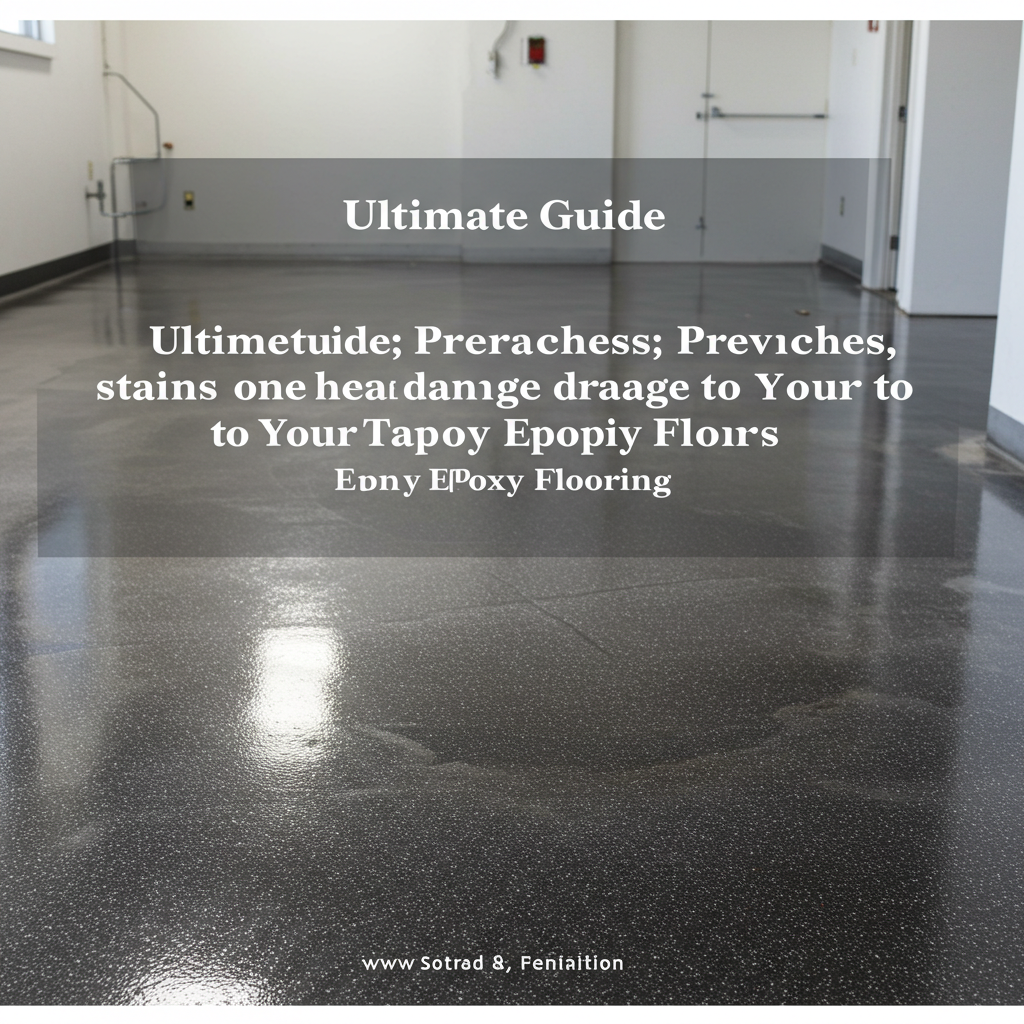
Ultimate Guide: Prevent Scratches, Stains & Chemical Damage to Your Tampa Epoxy Floors
Epoxy flooring is renowned for its exceptional durability, appealing aesthetics, and long-lasting performance, making it a popular choice for homes and businesses across Tampa. From bustling garages to vibrant showrooms, epoxy provides a resilient surface capable of withstanding significant wear and tear. However, even the toughest floors benefit from proactive care and an understanding of common threats. While epoxy is incredibly resistant, daily activities, accidental spills, and certain chemicals can diminish its pristine look over time if not managed correctly. This ultimate guide from Tampa Epoxy Flooring Pros will equip you with expert knowledge to protect your investment, keeping your epoxy floors looking spectacular for years to come.
How Can I Prevent Scratches and Abrasions on My Tampa Epoxy Floor?
While epoxy is hard-wearing, it's not entirely impervious to scratches, especially from abrasive materials. The grit and sand common in Tampa's environment, combined with heavy foot traffic or dragging objects, are primary culprits. Preventing scratches ensures your floor maintains its high-gloss finish and structural integrity.
- Regular Cleaning is Key:
- Sweep Frequently: Use a soft-bristle broom or dust mop daily to remove loose dirt, sand, and small debris. This prevents these particles from being ground into the surface by foot traffic or tires.
- Vacuum: For a deeper clean, a soft-brush vacuum attachment can effectively pick up fine particles without scratching.
- Use Protective Pads and Mats:
- Furniture Pads: Apply felt or rubber pads to the bottoms of all furniture legs, chairs, and tables that will rest on or be moved across your epoxy floor. This is crucial for preventing scuffs and gouges.
- Area Rugs and Mats: Place welcome mats at entryways to trap dirt, sand, and moisture before they can be tracked onto your epoxy. In areas with heavy traffic or where chairs frequently slide (e.g., dining areas, office spaces), consider using area rugs or clear plastic chair mats.
- Workshop/Garage Mats: For garages or workshops, place rubber mats under workbenches or areas where tools might be dropped. This not only protects the floor but also provides comfort.
- Avoid Dragging Heavy Objects: Whenever possible, lift heavy items instead of dragging them. If an item must be slid, place a protective barrier like cardboard or a moving blanket underneath to minimize friction and potential damage.
- Maintain Equipment: Ensure any equipment with wheels (e.g., dollies, carts, shop equipment) has clean, non-abrasive wheels. Periodically inspect them for embedded debris that could scratch the floor.
What's the Best Way to Protect Against Stains and Discoloration in Tampa?
Epoxy floors are highly stain-resistant, but certain substances, if left unattended, can cause discoloration or leave stubborn marks. Prompt action is always the best defense against staining. Understanding the nature of the stain can also guide your cleaning approach.
- Immediate Spill Cleanup: The golden rule for stain prevention is to clean spills immediately. The longer a liquid sits, especially if it's acidic or highly pigmented, the greater the chance of it penetrating or reacting with the topcoat.
- Blot, Don't Wipe: For liquid spills, always blot with a clean cloth or paper towel first. Wiping can spread the stain.
- Use Mild, pH-Neutral Cleaners:
- Everyday Spills: Most spills (food, beverages, dirt) can be cleaned effectively with warm water and a mild, pH-neutral detergent. Avoid harsh abrasive cleaners, acidic solutions (like vinegar or citrus-based cleaners), or alkaline cleaners, as these can dull the finish or compromise the epoxy.
- Grease and Oil: For automotive fluids or cooking oils, use a degreaser specifically formulated for epoxy floors. Apply according to product instructions, let it dwell briefly, then agitate with a soft brush and rinse thoroughly.
- Address Rust Stains Promptly: Rust from metal objects (tools, patio furniture) can be particularly difficult to remove if left for too long. Use a commercial rust remover designed for concrete or epoxy, following the manufacturer's directions carefully, and rinse thoroughly.
- Consider UV Stability: While less about staining and more about general discoloration, if your epoxy floor is exposed to direct, prolonged sunlight (common in parts of Tampa), ensure your chosen epoxy system includes a UV-stable topcoat. This prevents yellowing or chalking over time, preserving the floor's original color and vibrancy.
How Do I Safeguard My Epoxy Floor from Chemical Damage in a Tampa Environment?
Epoxy is highly resistant to many chemicals, but it's not indestructible. Strong acids, solvents, and certain industrial chemicals can etch, soften, or discolor the epoxy surface. Understanding which chemicals pose a threat and how to handle them is crucial, particularly in garage or commercial settings.
- Identify Hazardous Chemicals: Be aware of common chemicals that can harm epoxy. These include:
- Battery acid
- Brake fluid
- Paint removers/strippers (often contain strong solvents)
- Certain harsh industrial cleaning agents
- Strong acids (e.g., muriatic acid) or bases
- Acetone (in high concentrations or prolonged contact)
- Proper Storage is Essential:
- Spill-Proof Containers: Always store chemicals in sealed, spill-proof containers.
- Elevate Storage: Keep containers on shelves or in cabinets, off the epoxy floor, to prevent potential leaks from direct contact.
- Containment Trays: For particularly hazardous chemicals, consider using secondary containment trays underneath their storage location.
- Use Absorbent Mats in Work Areas: If you frequently work with chemicals in a specific area (e.g., under a car in the garage, at a workbench), place chemical-resistant, absorbent mats or trays to catch accidental spills before they reach the epoxy.
- Immediate Cleanup of Chemical Spills: Should a chemical spill occur, act quickly and cautiously.
- Ventilate: Open windows or use fans if dealing with volatile chemicals.
- Personal Protective Equipment (PPE): Wear appropriate gloves and eye protection.
- Neutralize if Necessary: For acids, a baking soda solution can help neutralize before cleanup. For other chemicals, blot and clean with water and mild detergent.
- Rinse Thoroughly: After cleaning, rinse the area with clean water to remove any residue.
- Use Epoxy-Safe Cleaning Products: Only use cleaning solutions explicitly recommended for epoxy floors. Many household cleaners contain ingredients that can damage the epoxy over time.
What Immediate Steps Should I Take for Spills or Impacts on My Epoxy Floor?
Even with the best preventative measures, accidents can happen. Knowing how to react swiftly and correctly to spills or impacts can significantly mitigate potential damage to your Tampa epoxy flooring.
- For Liquid Spills:
- Act Fast: Time is of the essence. The quicker you address a spill, the less likely it is to stain or cause damage.
- Blot, Don't Rub: Use a clean, absorbent cloth or paper towels to blot up the liquid. Rubbing can spread the spill and push it deeper into any microscopic imperfections or pores in the surface.
- Identify the Substance: Knowing what spilled helps determine the best cleaning agent.
- General Cleaning: For most non-chemical spills (food, beverages), use warm water and a small amount of pH-neutral cleaner. Wipe the area with a clean cloth, then rinse with clean water and dry thoroughly.
- Specific Spills: As mentioned, use degreasers for oil, and specific rust removers for rust. Always follow product directions.
- For Solid Impacts or Dropped Objects:
- Assess the Damage: First, safely remove the dropped object. Then, carefully inspect the floor. Is it a surface scratch, a chip, or a deeper crack?
- Clean the Area: Clear any debris from the impact zone.
- Minor Scratches/Scuffs: Sometimes, minor scuffs are just surface marks that can be buffed out with a non-abrasive cleaner and a soft cloth, or even a specialized epoxy floor polish.
- Chips/Cracks: For more significant damage like chips or cracks, temporary solutions might include epoxy repair kits. However, for seamless, lasting repair that blends perfectly with your existing floor, professional intervention is highly recommended. Attempting DIY repairs on substantial damage can sometimes worsen the issue or create an inconsistent finish.
- When to Call the Professionals:
- If you're unsure about the type of chemical spilled or how to clean it safely.
- For stubborn stains that don't respond to mild cleaning agents.
- For any significant damage like large chips, cracks, or areas where the epoxy has lifted or delaminated.
Protecting your epoxy flooring is an ongoing commitment, but the effort pays off in the long-term beauty and performance of your investment. By implementing these preventative strategies and knowing how to respond to incidents, you can ensure your Tampa epoxy floors remain a source of pride for your home or business. For expert advice, professional installation, or specialized repair services to address any damage or concerns, don't hesitate to contact Tampa Epoxy Flooring Pros. Our team provides superior service and solutions tailored to the unique demands of the Tampa environment, ensuring your epoxy floors stand the test of time.
Need Professional Assistance?
Get a free, no-obligation estimate from our expert local team today.