Protect Your Investment: How to Prevent Common Epoxy Flooring Problems in Tampa, FL
To prevent common epoxy flooring problems in Tampa, FL, proactive measures are crucial, including professional installation, regular cleaning with pH-neutral solutions, prompt spill cleanup, and addressing humidity concerns. Neglecting these steps can lead to delamination, yellowing, and bubbling, necessitating costly repairs. Regular inspections by Tampa Epoxy Flooring Pros can identify and mitigate issues early, extending your floor's lifespan.
Epoxy flooring is a fantastic investment for homes and businesses across Tampa, offering unparalleled durability, aesthetic appeal, and resistance to chemicals and abrasion. However, like any valuable asset, it requires proper care and understanding to reach its full potential and lifespan, especially in a unique climate like ours. Tampa's high humidity, intense sun, and frequent storms present specific challenges that can impact your epoxy floor if not properly addressed. Understanding these regional factors and implementing preventative strategies is key to avoiding costly repairs and maintaining a beautiful, long-lasting surface.
Why Tampa's Climate Poses Unique Challenges for Epoxy Floors
Our beautiful Tampa Bay area, while idyllic, brings specific environmental factors that can test the integrity of epoxy coatings. Ignoring these can lead to premature wear and damage.
- High Humidity: Tampa consistently experiences high humidity levels. During the epoxy curing process, excessive moisture can lead to 'amine blush' or 'blushing,' a waxy, sticky residue that indicates improper curing. Post-cure, high humidity can contribute to moisture vapor transmission from the concrete slab, potentially causing delamination or blistering if the subfloor wasn't adequately prepared with a moisture barrier.
- Intense UV Exposure: Florida's abundant sunshine is great for outdoor activities, but ultraviolet (UV) rays can be detrimental to certain types of epoxy. Non-UV stable epoxies, especially those used as topcoats, can yellow or amber over time, detracting from their original color and clarity. Garages and other areas exposed to direct sunlight are particularly susceptible.
- Temperature Fluctuations: While not as extreme as northern climates, Tampa does experience temperature shifts. Concrete slabs expand and contract with temperature changes, and if the epoxy is not flexible enough or improperly bonded, this movement can lead to cracking or delamination.
- Sandy and Gritty Environment: Our proximity to beaches and general outdoor environment means fine sand and grit can easily be tracked indoors. These abrasive particles, when walked on, can act like sandpaper, slowly dulling the epoxy's finish over time.
What Are the Most Common Epoxy Problems and How Can I Prevent Them?
Identifying potential issues before they become major problems is crucial for extending your epoxy floor's life. Here are some common problems and their preventative measures:
1. Delamination and Peeling
What it is: The epoxy coating separates or lifts from the concrete substrate. This is often seen as bubbles, flaking, or large sections coming loose.
Prevention in Tampa:
- Proper Surface Preparation: This is the single most critical step. The concrete must be thoroughly cleaned, degreased, and etched or ground to create a profile for the epoxy to bond to. Any existing sealers, paint, or contaminants must be removed. Moisture testing is also vital, especially in Oldsmar, where moisture can be a significant factor.
- Moisture Mitigation: In Tampa's humid climate, concrete slabs can emit moisture vapor. A professional installer like Tampa Epoxy Flooring Pros will conduct moisture tests and apply a suitable moisture vapor barrier if necessary, preventing delamination from hydrostatic pressure.
- Adhesion Promoters: Sometimes, a primer specifically designed to enhance adhesion is used.
2. Bubbling and Blistering
What it is: Small to large air pockets forming within or beneath the epoxy layer.
Prevention in Tampa:
- Proper Mixing: Inadequate mixing of epoxy components can trap air.
- Controlled Application Environment: Applying epoxy in high humidity or rapidly changing temperatures can cause outgassing (air escaping from the concrete), leading to bubbles. Professionals choose optimal application times.
- Correct Rollers/Tools: Using the right roller covers and proper application techniques minimizes air incorporation.
3. Yellowing or Discoloration
What it is: The epoxy coat, especially clear or lighter colors, turns yellow or amber over time.
Prevention in Tampa:
- UV-Resistant Topcoats: For areas exposed to direct sunlight (garages, workshops with open doors), always specify a UV-stable topcoat. Polyaspartic or polyurea coatings are excellent choices for their UV resistance.
- Avoid Chemical Exposure: Certain chemicals or cleaning agents can react with epoxy, causing discoloration. Always use recommended cleaning products.
4. Cracking and Crazing
What it is: Fine, spiderweb-like cracks (crazing) or deeper fissures in the epoxy surface.
Prevention in Tampa:
- Substrate Stability: Ensure the concrete slab is stable and free from significant cracks before epoxy application. Expansion joints should be honored or properly filled and sealed.
- Proper Thickness: Applying epoxy too thinly can make it more susceptible to cracking under stress.
- Traffic Management: Avoid dragging heavy, sharp objects across the floor. Use floor protectors on furniture.
5. Dulling and Scratches
What it is: The once-glossy finish loses its shine and appears scuffed or scratched.
Prevention in Tampa:
- Regular Cleaning: Sweep or vacuum regularly to remove abrasive grit (especially sand in Tampa!). Mop with a pH-neutral cleaner.
- Protective Topcoats: High-traffic areas benefit from a durable, scratch-resistant topcoat.
- Mats at Entrances: Place doormats at all entry points to trap dirt and debris before it reaches the epoxy. This is particularly important for homes or businesses in Old Seminole Heights where foot traffic might bring in more outdoor elements.
When Should I Call a Professional for My Tampa Epoxy Floor?
While preventative measures are crucial, sometimes professional intervention is necessary. Here's when to contact Tampa Epoxy Flooring Pros:
- Extensive Delamination or Peeling: If large sections of your epoxy are lifting, it indicates a significant bonding failure that requires professional repair or re-installation.
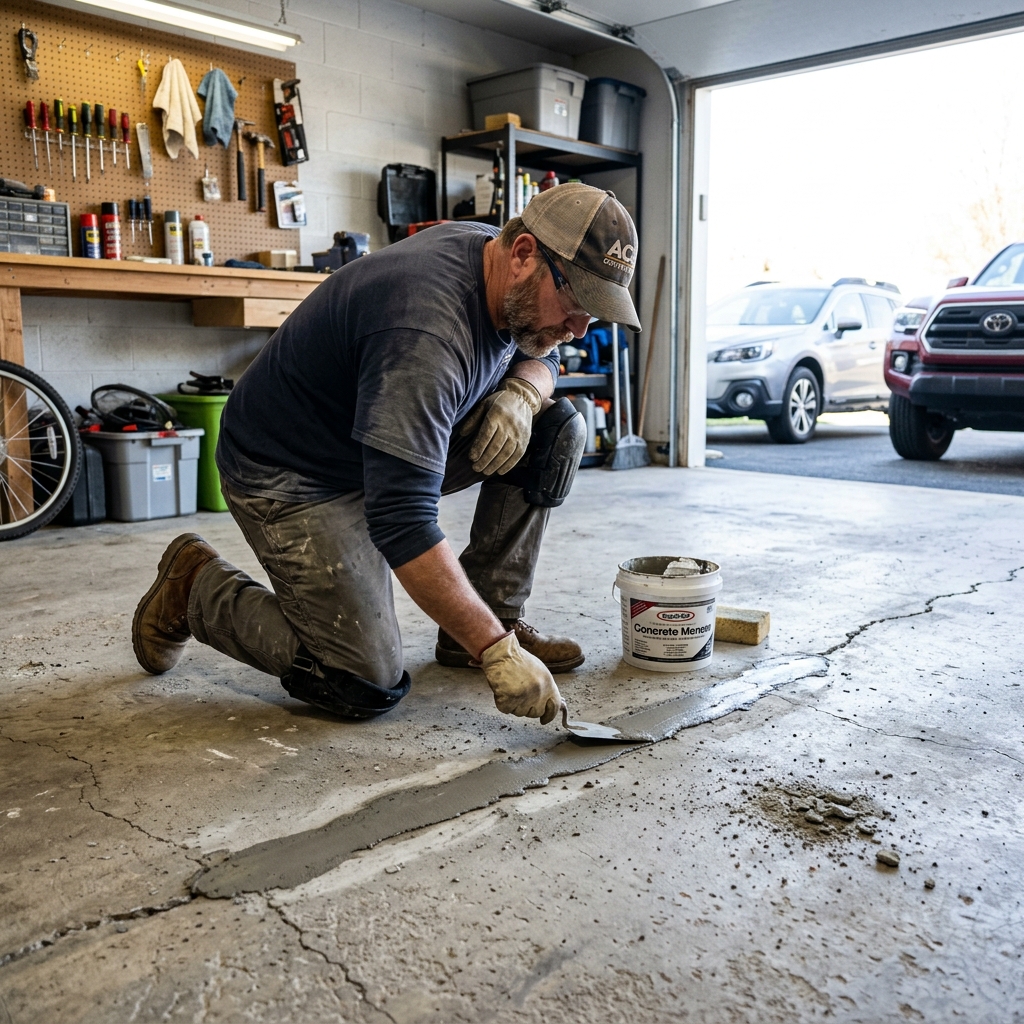
- Deep Cracks or Pitting: Beyond cosmetic surface issues, deep cracks can compromise the structural integrity of the coating and potentially the slab beneath.
- Persistent Stains or Chemical Damage: Some severe stains or chemical burns may be beyond DIY cleaning and require specialized treatment or re-coating.
- Moisture-Related Issues: If you suspect moisture vapor transmission or hydrostatic pressure is causing problems, only a professional can accurately diagnose and implement appropriate mitigation strategies.
- Desire for a New Look: If you're looking to change the color, finish, or add decorative flakes, professional application ensures a flawless result.
- Before DIY Attempts: If you're unsure how to tackle a problem, calling us first can save you time, money, and further damage compared to an unsuccessful DIY repair.
The Cost of Neglect: Repair vs. Prevention in Tampa
Many property owners in Tampa underestimate the long-term costs associated with neglecting their epoxy floors. A small, unaddressed crack can quickly expand due to foot traffic or moisture ingress. Minor delamination can spread, compromising larger areas. What starts as a simple, affordable repair can escalate into a full-scale re-application, which is significantly more expensive and disruptive.
Consider these factors:
- Early Intervention Saves Money: Addressing issues like a small chip or an early sign of yellowing with a professional touch-up or targeted re-coat is far less expensive than waiting until the entire floor needs to be stripped and re-epoxied.
- Preserving Property Value: A well-maintained epoxy floor enhances the aesthetic and functional value of your property. A damaged or poorly maintained floor can detract from it, impacting resale value for homes or customer perception for businesses.
- Longevity of Investment: Your epoxy floor is a significant investment designed to last for decades. Preventative maintenance and timely professional care ensure you get the maximum return on that investment.
- Safety: Delaminated or cracked epoxy can create tripping hazards, which is a liability concern for businesses and a safety risk for families. Prevention helps maintain a smooth, safe surface.
Don't let Tampa's climate or everyday wear and tear compromise your beautiful epoxy flooring. Proactive care and timely professional intervention are the keys to a floor that looks great and performs flawlessly for years to come. At Tampa Epoxy Flooring Pros, we understand the specific needs of epoxy floors in our local environment.
If you're noticing any signs of wear, discoloration, or damage, or if you simply want expert advice on how to best maintain your epoxy floor, don't hesitate to reach out. Our experienced team is ready to provide a thorough inspection, offer tailored solutions, and ensure your investment remains protected. Contact Tampa Epoxy Flooring Pros today for a consultation and keep your floors looking their best!
Need Professional Assistance?
Get a free, no-obligation estimate from our expert local team today.