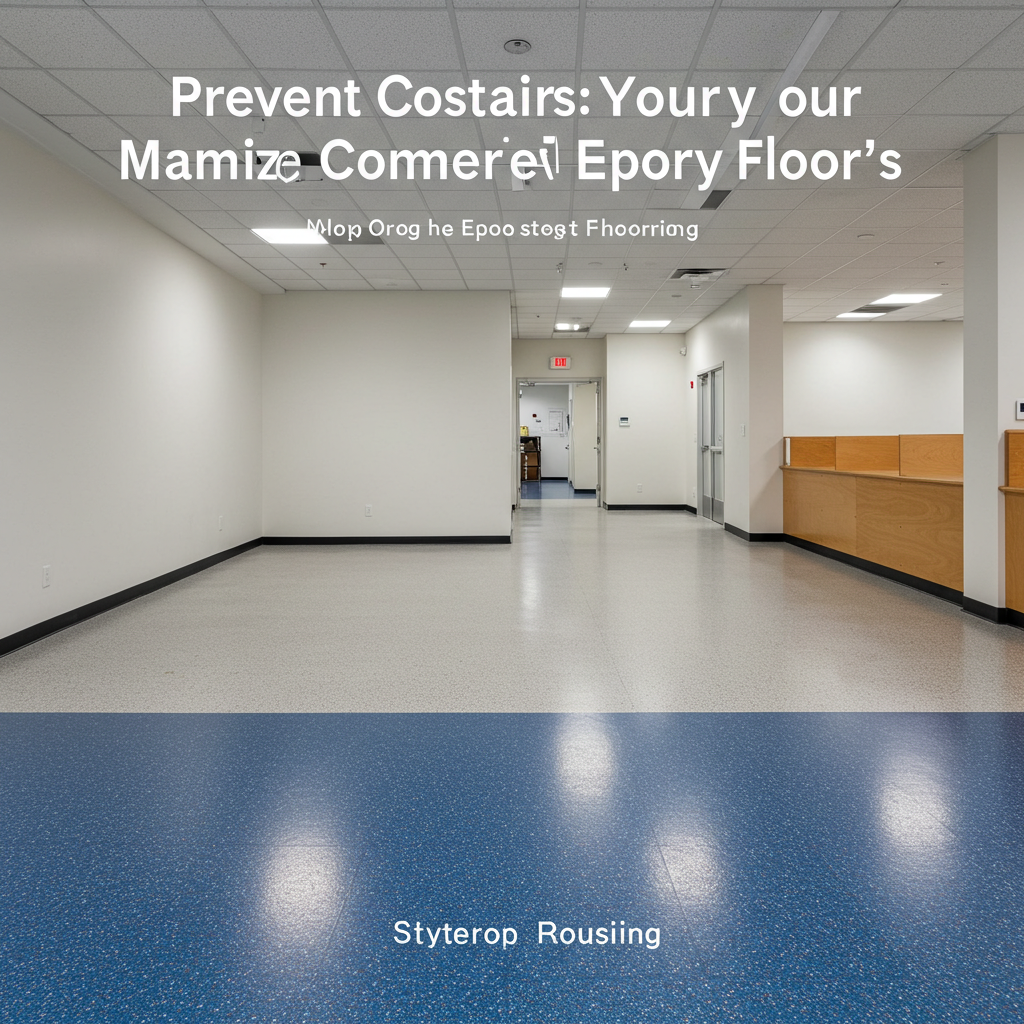
Prevent Costly Repairs: Maximize Your Tampa Commercial Epoxy Floor's Lifespan
Preventing damage to commercial epoxy floors in Tampa requires consistent cleaning, immediate spill management, use of protective mats in high-traffic areas, and adherence to manufacturer guidelines for chemical exposure. Regular inspections and prompt addressing of minor issues are also crucial to maintain integrity and extend lifespan in demanding business environments.
Why is Proactive Damage Prevention Crucial for Tampa Commercial Epoxy?
Commercial epoxy flooring is celebrated for its incredible durability, chemical resistance, and aesthetic appeal, making it an ideal choice for businesses across Tampa, from bustling warehouses to pristine showrooms and healthcare facilities. However, even the toughest floors are susceptible to wear and tear. In commercial settings, the stakes are higher: a damaged floor can lead to safety hazards, costly repairs, and operational downtime. Proactive damage prevention isn't just about preserving your investment; it's about maintaining a safe, efficient, and professional environment that reflects positively on your business.
Understanding the unique challenges presented by Tampa's climate and the rigorous demands of commercial operations is the first step. High humidity, intense sun exposure, and the constant movement of heavy equipment or foot traffic all play a role in how your epoxy floor ages. By implementing smart prevention strategies, you can ensure your epoxy flooring continues to perform optimally for years, minimizing unexpected expenses and maintaining its visual appeal.
What are the Biggest Threats to Commercial Epoxy Floors in Tampa?
Commercial epoxy floors face a barrage of potential threats that can compromise their integrity and appearance. Recognizing these dangers is key to implementing effective prevention strategies:
- Heavy Traffic and Impact: In warehouses, manufacturing plants, or retail spaces, continuous foot traffic, forklifts, pallet jacks, and dropping heavy objects can lead to abrasions, scratches, and even cracking over time. The cumulative effect of these impacts can weaken the epoxy matrix.
- Chemical Spills and Exposure: While epoxy is highly resistant to many chemicals, prolonged exposure to strong acids, solvents, or petroleum products without immediate cleanup can etch the surface, cause discoloration, or even degrade the epoxy bond. This is particularly relevant in auto shops, laboratories, and industrial facilities.
- Abrasion from Abrasive Debris: Sand, grit, and other abrasive particles tracked in from outside (especially common in sandy Florida environments) can act like sandpaper underfoot or under wheels, gradually dulling the epoxy's finish and creating micro-scratches that become more prominent over time.
- UV Radiation: Although modern epoxy formulations are increasingly UV-stable, prolonged exposure to direct sunlight, especially through large windows or open doors, can still lead to yellowing or chalking of some epoxy types over many years. This is more of an aesthetic concern but can impact the floor's overall look.
- Moisture and Substrate Issues: While the epoxy itself is waterproof, if the concrete substrate was not properly prepared or if there's an underlying moisture problem, hydrostatic pressure can cause delamination or blistering of the epoxy coating from beneath. This is a critical issue that underscores the importance of professional installation.
- Inadequate Cleaning Practices: Using harsh chemicals, abrasive cleaning tools, or simply neglecting regular cleaning allows dirt and grime to build up and contribute to premature wear and tear.
How Can Tampa Businesses Proactively Protect Their Epoxy Flooring?
Implementing proactive measures is the most effective way to safeguard your epoxy floor investment. These strategies focus on prevention and immediate response:
- Implement a Strict Cleaning Schedule: Regular sweeping and mopping with a soft-bristle broom or commercial mop are essential. Use pH-neutral cleaners specifically designed for epoxy floors to avoid chemical damage. Frequency should be dictated by traffic volume and business type.
- Address Spills Immediately: The moment a spill occurs, clean it up. Even resistant chemicals can cause issues if left to sit. Use appropriate absorbents and cleaning agents for the specific type of spill. Quick action prevents staining and chemical etching.
- Use Protective Mats and Runners: In high-traffic areas, at entrances, near heavy machinery, or under furniture with sharp legs, place high-quality protective mats or runners. These absorb impact, trap dirt, and prevent localized wear, significantly reducing abrasion and impact damage.
- Install Wheel or Leg Protectors: For equipment, shelving, or furniture that frequently moves or rests on the floor, consider installing soft rubber wheels or felt pads to minimize scratching and indentation.
- Control Debris Ingress: Place walk-off mats at all entrances to trap sand, dirt, and moisture from shoes and vehicle tires. Regularly clean these mats to ensure they remain effective.
- Mind the Weight: While epoxy is strong, understand its load-bearing capacity. Avoid overloading specific areas or dragging extremely heavy, sharp objects directly across the floor without proper protection.
What Essential Maintenance Practices Extend Epoxy Floor Lifespan in Tampa?
Beyond daily prevention, certain maintenance practices are crucial for long-term epoxy floor health:
- Regular Inspections: Periodically inspect your entire epoxy floor for any signs of wear, such as hairline cracks, dull spots, minor chips, or areas of delamination. Early detection allows for minor repairs before they escalate into major problems. Pay close attention to expansion joints and transition areas.
- Deep Cleaning Regimen: Beyond daily mopping, schedule periodic deep cleaning sessions. This might involve using a rotary scrubber with a soft pad and an approved industrial cleaner to remove embedded dirt and restore shine. Always rinse thoroughly to remove any cleaning solution residue.
- Re-Sealing or Topcoat Application (as needed): Depending on the type of epoxy system and traffic, a sacrificial topcoat or a fresh clear sealer might be applied periodically. This adds another layer of protection against abrasion and helps maintain the floor's luster. Consult with your epoxy professional for recommendations.
- Prompt Minor Repairs: Don't let small chips or cracks fester. These can allow moisture or chemicals to penetrate beneath the epoxy, leading to larger delamination issues. Small repairs are often quick and inexpensive if addressed promptly using epoxy patch kits.
- Proper Equipment Care: Ensure that any floor cleaning machines, such as auto scrubbers, have soft brushes or pads to avoid scratching the epoxy. Regular maintenance of these machines also prevents leaks of oils or fluids onto the floor.
When Should Tampa Businesses Call a Professional for Epoxy Floor Issues?
While many preventative and maintenance tasks can be handled in-house, certain situations warrant the expertise of a professional epoxy flooring company like Tampa Epoxy Flooring Pros:
- Significant Cracks or Deep Chips: If you notice large cracks, deep gouges, or areas where the epoxy has chipped down to the concrete substrate, professional repair is necessary to ensure a seamless and durable fix.
- Widespread Delamination or Blistering: These are serious issues often indicating underlying problems with installation or substrate moisture. Professional assessment and repair are critical to prevent further damage and ensure structural integrity.
- Extensive Staining or Discoloration: If your floor has persistent stains that regular cleaning cannot remove, or if large areas have discolored, a professional can assess the cause and recommend appropriate restorative measures, which may include resurfacing.
- Dullness or Loss of Sheen: If your epoxy floor has lost its luster despite regular cleaning and you suspect it needs more than just a deep clean, a professional can evaluate if a new topcoat or polishing is required.
- Consultation for Maintenance Plans: For complex commercial environments, consulting with Tampa Epoxy Flooring Pros can help you develop a tailored maintenance plan that considers your specific operations, traffic levels, and epoxy system.
- Before Re-sealing or Resurfacing: Any major reapplication of epoxy or topcoat material should always be handled by experienced professionals to ensure proper surface preparation, product application, and curing, guaranteeing the longevity and performance of your floor.
By understanding the threats, implementing preventative measures, and knowing when to call in the experts, your Tampa business can ensure its commercial epoxy flooring remains a durable, safe, and attractive asset for many years to come. For any complex maintenance needs, repairs, or to develop a comprehensive floor care plan, don't hesitate to contact the experienced team at Tampa Epoxy Flooring Pros. We're here to help protect your investment and keep your floors looking their best.
Need Professional Assistance?
Get a free, no-obligation estimate from our expert local team today.