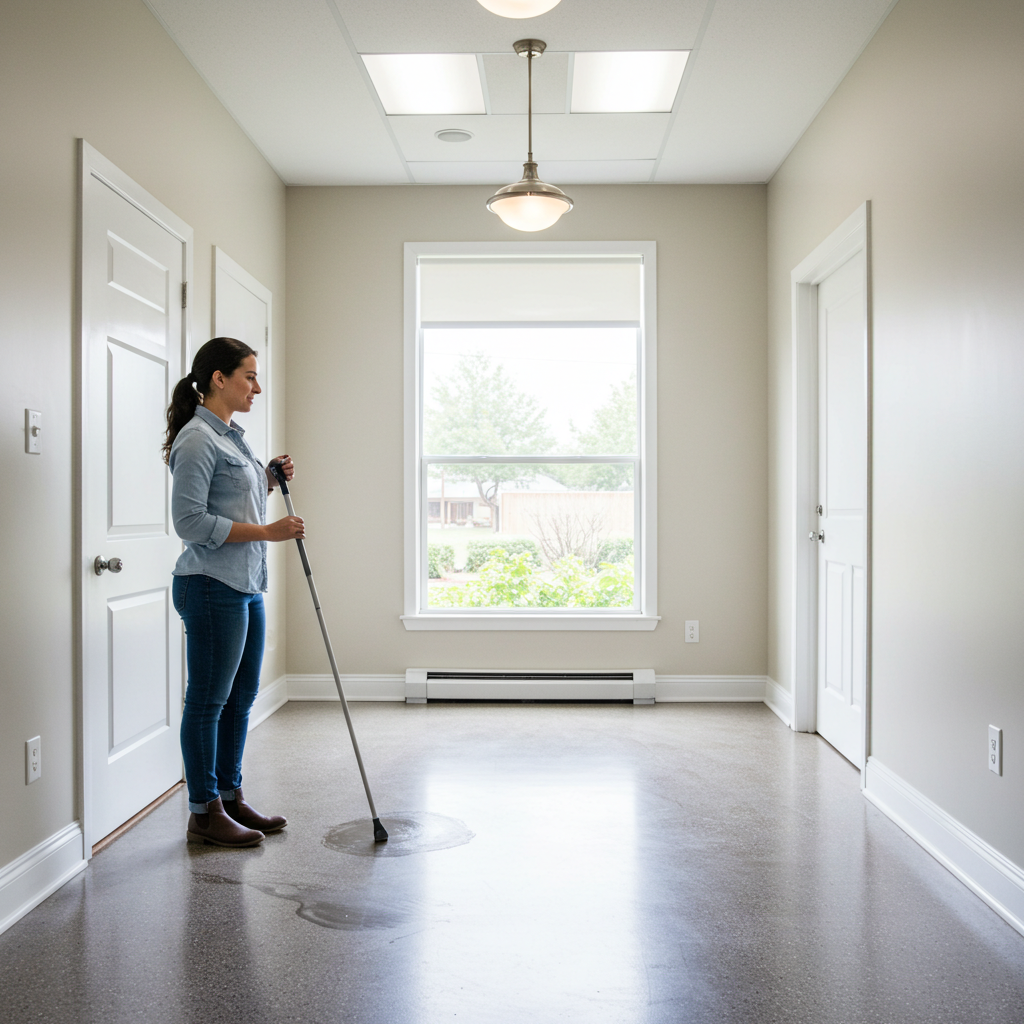
Unlock Lasting Beauty: Essential Long-Term Care Tips for Your Tampa Epoxy Floors
To ensure the longevity and sustained beauty of your Tampa epoxy floors, consistent proactive care is paramount. This includes regular cleaning with appropriate products, promptly addressing spills and minor damages, and understanding when professional maintenance or recoating is necessary to protect your initial investment against wear and environmental factors.
What proactive steps extend the lifespan of Tampa epoxy floors?
Maximizing the lifespan of your epoxy floors in Tampa goes beyond simple cleaning; it requires a proactive approach to protection and maintenance. The subtropical climate, with its intense UV exposure and humidity fluctuations, presents unique challenges that can impact your floor's long-term integrity. Understanding these factors and taking preventative measures is key to preserving your investment.
- UV Protection: While many modern epoxy formulations include UV inhibitors, prolonged exposure to direct sunlight, especially in sun-drenched Tampa, can still lead to yellowing or fading over time. Consider using window coverings or opting for UV-resistant topcoats during installation, particularly in areas like garages or sunrooms with ample natural light. This extra layer of protection helps maintain the original color and finish.
- Preventing Abrasions and Scratches: Epoxy floors are incredibly durable, but they aren't immune to scratches from heavy, dragged objects or abrasive debris. Using felt pads under furniture legs, installing caster wheels on heavy equipment, and utilizing walk-off mats at entry points significantly reduce the introduction of abrasive particles. Regularly sweeping or vacuuming also removes grit before it can be ground into the surface.
- Managing Spills Immediately: Although epoxy is highly stain-resistant, certain harsh chemicals, acids, or solvents can still etch the surface if left to sit for extended periods. Wiping up spills promptly, especially oil, chemicals, or strong dyes, prevents potential damage and maintains the floor's integrity and aesthetic. Always know what chemicals are being used near your epoxy floor and keep appropriate cleaning supplies on hand.
- Controlling Temperature and Humidity: While epoxy is robust, extreme temperature fluctuations can sometimes put stress on the coating. In Tampa, ensuring proper ventilation in enclosed spaces helps manage humidity, which can otherwise contribute to moisture issues beneath the slab, potentially affecting adhesion over many years.
How should I approach routine cleaning for optimal epoxy floor maintenance?
Effective routine cleaning is the cornerstone of long-term epoxy floor maintenance. The good news is that epoxy's non-porous surface makes it relatively easy to clean. However, using the right methods and products is crucial to avoid dulling the finish or causing accidental damage.
For optimal epoxy floor maintenance, follow these routine cleaning guidelines:
- Daily/Weekly Dry Cleaning: Begin with a soft-bristle broom, dust mop, or a commercial vacuum cleaner with a soft brush attachment. This removes loose dirt, dust, and debris that could otherwise cause micro-scratches. For larger areas like commercial warehouses or garages, a walk-behind scrubber or sweeper can be highly efficient.
- Weekly/Bi-Weekly Wet Cleaning: For deeper cleaning, use a mixture of warm water and a pH-neutral cleaner. Diluted ammonia (about 2-3 ounces per gallon of water) or mild dish soap are excellent choices. Avoid harsh chemical cleaners, citrus-based cleaners, or abrasive scrubbing pads, as these can dull the finish, degrade the epoxy, or leave residues.
- Application and Rinsing: Apply the cleaning solution with a mop or soft-bristle brush. For stubborn spots, allow the solution to sit for a few minutes before scrubbing gently. Always rinse the floor thoroughly with clean water to remove any soap residue, which can attract dirt and make the floor appear dull. A wet vacuum or squeegee can be used to remove rinse water efficiently.
- Spot Cleaning: For oil or grease spills, a degreaser specifically designed for epoxy floors can be used sparingly. Always test in an inconspicuous area first. For tire marks in garage settings, a stiff brush and a mild abrasive cleaner can be effective, but use with caution to avoid scratching.
- Avoid Wax and Polish: Epoxy floors naturally have a beautiful sheen. Applying wax or polish is unnecessary and can lead to a slippery surface and a buildup that detracts from the epoxy's appearance.
When is it time for professional epoxy floor repair or recoating in Tampa?
Even with diligent care, epoxy floors, like any surface, can experience wear over time, especially in high-traffic commercial or active residential settings. Knowing when to call in the professionals for repair or recoating is vital to preventing minor issues from escalating into costly problems and to maintaining the floor's aesthetic and protective qualities.
Signs You Need Professional Intervention:
- Widespread Dullness or Fading: If your epoxy floor has lost its original luster despite regular cleaning, or if areas exposed to sunlight have noticeably faded, it might be time for a professional recoat. This indicates wear on the topcoat, and a fresh application can restore its appearance and protective layer.
- Visible Cracks, Chips, or Pitting: Small, isolated chips or cracks can sometimes be repaired with a DIY kit, but if you notice multiple cracks, significant pitting, or larger areas of damage, professional repair is recommended. Epoxy floor repair experts in Tampa have the tools and expertise to seamlessly blend repairs, preventing further delamination or moisture intrusion.
- Delamination or Peeling: This is a more serious issue where the epoxy coating begins to lift from the concrete substrate. Delamination can be caused by improper installation, moisture issues within the concrete, or severe impact. If you observe peeling, particularly in larger sections, immediate professional assessment is critical. Attempting a DIY fix on delamination often leads to a less durable, visually unappealing result.
- Excessive Abrasions or Scratches: While minor scratches are normal, a floor riddled with deep abrasions that compromise the topcoat's integrity indicates a need for professional attention. A recoat can effectively hide these imperfections and provide a renewed layer of protection.
- Safety Concerns: If the floor has become unexpectedly slippery due to wear, or if uneven surfaces have developed from damage, it creates a safety hazard. Professionals can assess the situation and recommend solutions, including adding anti-slip additives during recoating.
Tampa Epoxy Flooring Pros offers expert assessment and solutions, ensuring your floors are restored to their optimal condition, extending their life and preserving your investment.
What are common pitfalls to avoid for long-lasting epoxy floors in Tampa?
Understanding what to avoid is just as important as knowing what to do when it comes to maintaining the longevity and beauty of your epoxy floors. Many common mistakes can prematurely degrade the coating or lead to costly repairs. By sidestepping these pitfalls, you can significantly extend the life of your Tampa epoxy floors.
- Using Harsh or Abrasive Cleaners: This is one of the most common errors. Bleach, acid-based cleaners, citrus-based cleaners, or scrubbing powders can chemically react with the epoxy, causing it to dull, etch, or even break down over time. Always stick to pH-neutral cleaners or mild dish soap.
- Employing Abrasive Cleaning Tools: Steel wool, stiff wire brushes, or highly abrasive scrubbing pads can scratch the epoxy's surface, diminishing its sheen and potentially creating pathways for dirt and moisture. Opt for soft-bristle brushes, mops, or microfiber pads.
- Ignoring Spills: While epoxy is resistant, certain substances like battery acid, strong solvents, or petroleum products can cause damage if left to sit. Prompt cleanup is always the best defense. Even water, if left standing for extended periods on damaged epoxy, can contribute to sub-surface moisture issues.
- Dragging Heavy Objects: Moving heavy furniture, appliances, or equipment without proper protection (like furniture sliders or lifting devices) can easily create deep scratches or gouges in the epoxy, compromising its integrity and appearance.
- Overlooking Substrate Preparation During Installation: Although this is an installation pitfall, its consequences impact long-term longevity. If the concrete slab was not properly cleaned, etched, or primed, the epoxy may not adhere correctly, leading to delamination and peeling issues years down the line. This emphasizes the importance of choosing a reputable installer like Tampa Epoxy Flooring Pros.
- Applying DIY Fixes Incorrectly: While small chips can sometimes be addressed by homeowners, attempting to fix larger areas of peeling or extensive cracks without proper knowledge, materials, and tools can often worsen the problem or create an uneven, unsightly repair that stands out.
- Exposing to Extreme Temperatures (Post-Installation): While epoxy cures to a hard, resistant surface, sudden, extreme temperature changes can still affect it. For example, placing extremely hot objects directly on the floor without protection could potentially cause localized damage or discoloration.
By being mindful of these common mistakes, you can proactively protect your epoxy flooring investment. For any significant concerns or for professional maintenance and repair services, trust the experts at Tampa Epoxy Flooring Pros. Our team is dedicated to helping Tampa homeowners and businesses maintain their beautiful and durable epoxy floors for decades to come, ensuring peace of mind and lasting value.
Need Professional Assistance?
Get a free, no-obligation estimate from our expert local team today.