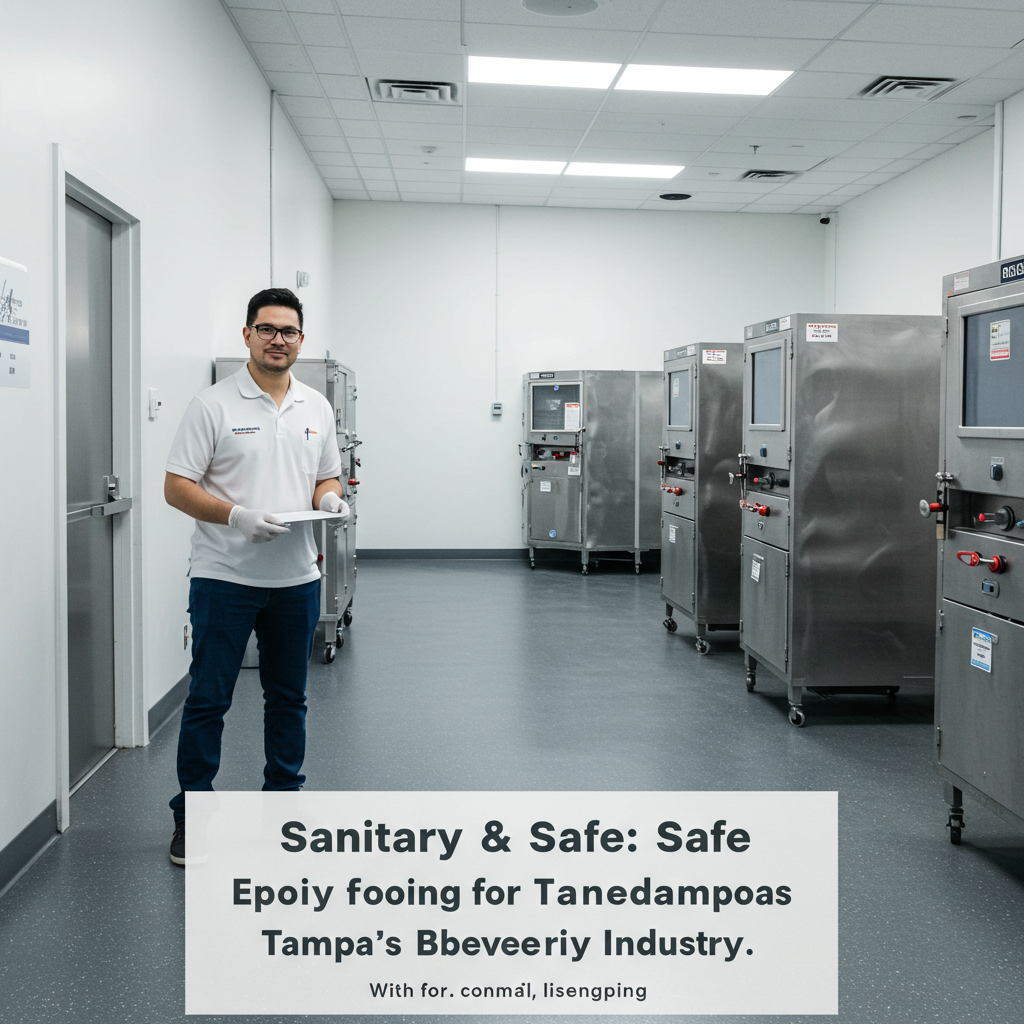
Sanitary & Safe: Epoxy Flooring for Tampa's Food & Beverage Industry
Epoxy flooring is ideal for Tampa's food and beverage facilities because it creates a seamless, non-porous, and incredibly durable surface that resists bacteria, chemicals, moisture, and heavy traffic, ensuring the highest standards of hygiene and safety mandated by industry regulations.
What makes epoxy flooring critical for Tampa's food industry?
In Tampa's vibrant food and beverage sector, from bustling restaurant kitchens in Ybor City to large-scale food processing plants near the port, flooring isn't just about aesthetics; it's a critical component for operational success, safety, and regulatory compliance. Traditional flooring materials like tile or concrete often fall short. They can harbor bacteria in grout lines, degrade under constant chemical exposure, or become dangerously slick. Epoxy flooring, however, offers a robust solution tailored to these demanding environments.
Here's why epoxy is indispensable:
- Superior Hygiene: Epoxy creates a monolithic (seamless) surface. This means there are no cracks, grout lines, or pores where food particles, bacteria, or mold can accumulate, making sanitation significantly easier and more effective. This is paramount for preventing cross-contamination and ensuring food safety.
- Chemical Resistance: Food facilities routinely use harsh cleaning agents, sanitizers, and are exposed to acids from food spills (e.g., citrus, vinegar) or alkalis (e.g., cleaning solutions). Specialized epoxy coatings, particularly urethane cements and novolac epoxies, are engineered to withstand these corrosive substances without deteriorating or losing their protective qualities.
- Slip Resistance: Wet floors are an unavoidable reality in many food establishments. Integrating aggregates into epoxy coatings creates a textured, slip-resistant surface, significantly reducing the risk of slips and falls for employees and customers, which is a major safety concern in high-traffic areas.
- Exceptional Durability: From heavy foot traffic and rolling carts to pallet jacks and industrial machinery, food facilities endure constant abuse. Epoxy systems are incredibly strong, resistant to abrasion, impact, and wear, ensuring a long-lasting floor that can stand up to the rigorous demands of daily operations.
- Easy to Clean and Maintain: The non-porous, smooth surface of epoxy flooring makes cleaning a breeze. Spills wipe up easily, and routine cleaning with standard industrial cleaners effectively removes contaminants without damaging the floor. This translates to reduced cleaning time and labor costs.
- Temperature Tolerance: Many food processing areas, walk-in coolers, and freezers experience significant temperature fluctuations. Certain epoxy systems, like urethane cement, are designed to perform exceptionally well in these environments, resisting thermal shock and maintaining integrity.
How does epoxy flooring meet strict hygiene standards in commercial kitchens?
Commercial kitchens, whether in a high-end downtown Tampa restaurant or a busy catering facility, face some of the most stringent hygiene requirements. Epoxy flooring is uniquely positioned to meet and exceed these standards, contributing significantly to a safe and compliant food preparation environment.
Key aspects include:
- Seamless Construction for HACCP Compliance: The Hazard Analysis and Critical Control Points (HACCP) system requires surfaces that are easy to clean and sanitize. The seamless nature of epoxy eliminates potential breeding grounds for bacteria, mold, and mildew, which can thrive in the cracks and crevices of other flooring types. This directly supports HACCP principles by minimizing biological hazards.
- Impermeable Barrier: Epoxy acts as an impermeable barrier, preventing liquids – including water, oils, and food waste – from penetrating the subfloor. This not only protects the structural integrity of the building but also prevents odors and contaminants from seeping below the surface, which is critical for long-term sanitation.
- Resistance to Pathogen Growth: The chemical inertness of cured epoxy means it does not react with common food acids or cleaning agents, nor does it provide a nutrient source for microbial growth. This inherent resistance to pathogen colonization is a major advantage over more porous materials.
- Coving for Wall-to-Floor Transitions: A crucial feature for commercial kitchen hygiene is coving. Epoxy can be seamlessly installed to curve up the wall (coving), eliminating the 90-degree angle where dirt and pathogens typically accumulate. This creates a fully sealed, easy-to-clean junction between the floor and wall, further enhancing sanitation.
- Rapid Clean-Up & Sanitation: The smooth, non-absorbent surface allows for quick and thorough cleaning. Spills can be immediately contained and removed, and the floor can be regularly disinfected without fear of degradation, supporting daily rigorous cleaning protocols.
What specific epoxy systems are best for food processing plants in Tampa?
Food processing plants in and around Tampa have unique challenges that demand highly specialized flooring solutions. These facilities often deal with high volumes of liquids, extreme temperatures, heavy machinery, and constant exposure to a wide array of chemicals. Not all epoxy systems are created equal, and choosing the right one is paramount for longevity and compliance.
Here are some top choices:
- Urethane Cement Systems (UCCs): Often considered the gold standard for food processing.
- Why they're best: UCCs offer exceptional thermal shock resistance, meaning they can withstand rapid temperature changes common in cooking, chilling, and freezing areas without cracking or delaminating. They also boast superior impact resistance, chemical resistance, and are highly durable against abrasion.
- Ideal applications: Meat and poultry processing, dairy plants, bakeries, beverage bottling facilities, and any area subject to hot wash-downs or constant temperature fluctuations.
- Novolac Epoxy Systems: When chemical resistance is the primary concern.
- Why they're best: Novolacs provide unparalleled resistance to strong acids, alkalis, and solvents, which are often present in food processing as sanitizers or by-products. They offer a much higher chemical tolerance than standard epoxies.
- Ideal applications: Chemical storage areas within food plants, waste treatment zones, specific processing lines where strong chemical spills are likely, or areas requiring extreme corrosion protection.
- High-Build Epoxy Systems with Broadcast Aggregates: For enhanced durability and slip resistance.
- Why they're best: These systems involve multiple layers of epoxy with aggregate (like quartz or sand) broadcast into wet coats, creating a very thick, robust, and highly slip-resistant surface. The thickness adds significant impact and abrasion resistance.
- Ideal applications: High-traffic aisles, loading docks, production areas with heavy machinery, and any zone where maximum slip resistance and wear durability are crucial.
The selection of the appropriate system always depends on a detailed assessment of the specific facility's operational demands, chemical exposures, and regulatory requirements.
How can businesses maintain their epoxy floors for long-term food safety?
Installing a high-quality epoxy floor is a significant investment in a food and beverage business's hygiene and operational efficiency. However, even the most robust system requires proper maintenance to ensure its longevity, continue meeting food safety standards, and protect your investment for years to come. Neglecting maintenance can lead to premature wear, reduced hygiene, and potential regulatory issues.
Follow these essential maintenance practices:
- Regular Cleaning Schedule: Establish a daily cleaning regimen. This typically involves sweeping or vacuuming to remove loose debris, followed by a thorough wet cleaning with a pH-neutral cleaner. Avoid harsh abrasive cleaners or steel wool that can scratch the surface.
- Address Spills Immediately: Acids, oils, and strong chemicals, even those that epoxy is resistant to, should be cleaned up as quickly as possible. Prolonged exposure can, over time, dull the finish or, in extreme cases, compromise the surface. Use appropriate cleaning agents for specific spills.
- Use Proper Equipment: For larger areas, automatic floor scrubbers with soft to medium brushes are ideal. Ensure that the brushes are not too abrasive. For smaller or hard-to-reach areas, mops and buckets with clean water and appropriate cleaners are effective.
- Inspect for Damage: Conduct regular visual inspections of your epoxy floor. Look for any signs of chipping, cracking, or delamination. Early detection of minor damage allows for timely repairs, preventing small issues from escalating into costly problems that could compromise hygiene.
- Implement Walk-Off Mats: At entry points from outdoor areas or heavy traffic zones, place walk-off mats. These help capture dirt, grit, and moisture, preventing them from being tracked onto the epoxy surface and reducing abrasive wear.
- Protective Measures for Heavy Equipment: While epoxy is durable, heavy machinery or sharp objects dropped repeatedly can cause damage. Consider using pads under heavy static equipment or implementing designated traffic lanes to distribute wear.
- Professional Deep Cleaning & Re-coating: Periodically, depending on traffic and use, professional deep cleaning might be necessary. Over many years, if the topcoat shows significant wear, a fresh topcoat can be applied to restore its protective qualities and appearance, extending the floor's life indefinitely.
By diligently adhering to these maintenance guidelines, businesses in Tampa can ensure their epoxy flooring continues to provide a safe, sanitary, and high-performing surface, contributing directly to their compliance and reputation. For expert advice on the best epoxy systems for your food and beverage operation or to discuss professional installation and maintenance strategies, contact Tampa Epoxy Flooring Pros today. Our team specializes in delivering durable, hygienic, and compliant flooring solutions tailored to the unique demands of the food industry.
Need Professional Assistance?
Get a free, no-obligation estimate from our expert local team today.