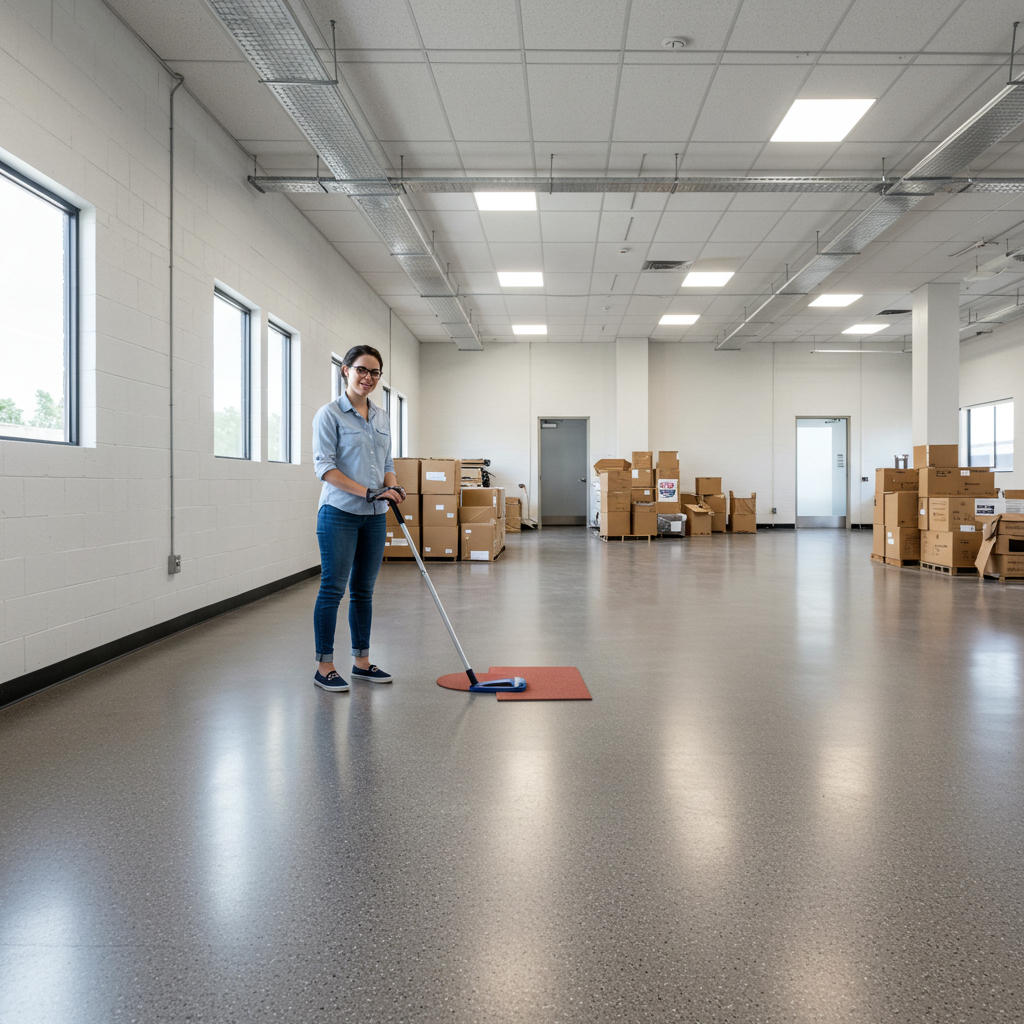
Tampa Epoxy Floors: Troubleshooting Common Issues & How to Prevent Them
Common epoxy floor problems include peeling, bubbling, yellowing, dullness, and scratches. These issues often stem from improper installation, inadequate surface preparation, chemical exposure, or insufficient maintenance. Early identification and proactive prevention are crucial for maintaining your epoxy floor's durability and aesthetic appeal in Tampa's unique environment.
Epoxy flooring is a popular choice for homes and businesses in Tampa, offering unmatched durability, chemical resistance, and a stunning aesthetic. However, even the toughest floors can encounter issues if not properly installed or maintained. Understanding common epoxy floor problems and knowing how to troubleshoot them can save you time, money, and preserve the beauty of your investment. This guide will walk you through identifying prevalent issues, understanding their root causes, and implementing effective preventative measures to keep your Tampa epoxy floors looking flawless for years to come.
Why Do Epoxy Floors Experience Problems in Tampa?
While epoxy floors are resilient, several factors, especially Tampa's climate, can cause degradation. Recognizing these causes is key to effective troubleshooting and prevention.
- Improper Surface Preparation: This is a primary cause of peeling and bubbling. If the concrete isn't properly cleaned, etched, or ground, epoxy won't adhere. In Tampa, moisture in the slab is a significant concern requiring professional moisture testing.
- Moisture Issues: High humidity and moisture vapor transmission (MVT) from the concrete slab are common in Florida. Unaddressed moisture causes hydrostatic pressure, leading to lifting or blistering.
- Substandard Application: Using low-quality products, incorrect mixing, or improper curing compromises integrity. Temperature and humidity during application in Tampa demand strict control.
- UV Exposure: Many standard epoxies yellow over time from UV radiation, affecting lighter colors in sunny areas like garages.
- Chemical Exposure & Abrasion: Prolonged contact with harsh solvents or excessive abrasion from traffic can wear down the topcoat, causing stains and scratches.
- Lack of Maintenance: Neglecting regular cleaning allows dirt, grime, and chemicals to accumulate, dulling the finish or compromising the epoxy.
Understanding these foundational issues helps protect your Tampa epoxy investment.
How Can You Identify & Address Common Epoxy Floor Issues in Tampa?
Early identification is crucial. Here's a breakdown of common issues, their appearance, causes, and potential solutions.
- Peeling or Delamination:
- This appears as lifting, flaking, or separation from the concrete, typically caused by poor adhesion from inadequate surface preparation or moisture.
- Solution: Small areas can be patched. Widespread peeling indicates fundamental installation failure, often requiring professional reapplication.
- Bubbling or Blistering:
- You'll see small to large raised bumps. Causes include concrete outgassing, high humidity during application, or critically in Tampa, moisture vapor transmission.
- Solution: Minor bubbles may be popped. Extensive bubbling from moisture requires professional mitigation or complete reinstallation with a vapor barrier.
- Yellowing or Ambering:
- This is a yellowish tint on lighter epoxy, especially in sun-exposed areas, caused by UV degradation (standard epoxies are not UV stable).
- Solution: Irreversible. Use UV-resistant topcoats (polyaspartic/urethane) from the start. Severe yellowing may need resurfacing with a UV-stable topcoat.
- Dullness or Lack of Shine:
- The once glossy finish appears muted, hazy, or cloudy, often due to improper cleaning (harsh chemicals), accumulated dirt, or general wear.
- Solution:
- Clean with a pH-neutral cleaner.
- Light buffing may restore shine.
- If worn, professional re-topcoating restores luster.
- Scratches, Chips, or Cracks:
- These are visible lines, gouges, or missing pieces, resulting from impact, dragging heavy items, or underlying concrete cracks.
- Solution:
- Scratches/Chips: Small scratches buff out. Deeper chips filled with a repair kit, sanded, and clear topcoat applied.
- Cracks: Underlying concrete cracks must be professionally addressed before epoxy repair.
What Are the Best Practices for Preventing Epoxy Floor Damage in Tampa?
Prevention is paramount. Proactive maintenance extends the life and beauty of your epoxy investment.
- Regular Cleaning: Sweep/vacuum regularly to remove abrasive grit. Mop with a soft mop and pH-neutral cleaner. Avoid harsh chemicals. Clean spills immediately.
- Protect Against Impacts: Use felt pads under furniture. Avoid dragging heavy items. Consider mats in high-traffic or impact-prone areas.
- Control Moisture: Ensure proper drainage. For garages, consider a moisture-resistant topcoat or initial vapor barrier. Address plumbing leaks promptly.
- Choose UV-Resistant Coatings: For sun-exposed areas, opt for a UV-stable topcoat (polyaspartic or urethane) during installation or resurfacing.
- Address Small Issues: Don't let minor chips or cracks escalate. Repair them or call a professional.
- Periodic Professional Inspection: Consider annual inspections to catch issues early and perform minor maintenance.
When Should You Call a Professional for Epoxy Floor Troubles in Tampa?
While some minor issues allow DIY fixes, certain problems demand professional intervention to prevent further damage and ensure lasting repair.
- Widespread Peeling: Large sections lifting indicate significant underlying issues like improper prep or severe moisture, requiring professional grinding and reapplication.
- Extensive Bubbling Due to Moisture: Pervasive bubbles suggest moisture vapor transmission, needing specialized testing and mitigation beyond DIY.
- Deep Cracks or Substrate Damage: If concrete is cracked or deteriorated, professional concrete repair is needed before coating.
- Severe Yellowing or Discoloration: Widespread yellowing indicates topcoat degradation. A professional can assess if a new UV-stable topcoat or complete resurfacing is needed.
- Chemical Spills & Stains: If harsh chemicals caused etching or deep staining, a professional can assess damage and recommend repair or a new protective layer.
- When in Doubt: If uncertain about cause or repair, consult an expert. Incorrect DIY repairs can lead to more costly damage.
Epoxy floors are a fantastic investment for any Tampa property, providing beauty, durability, and easy maintenance. However, they require attention and proper care to maintain their pristine condition. By understanding common issues, practicing preventative maintenance, and knowing when to seek professional help, you can ensure your epoxy floors remain a source of pride for years. When faced with challenging epoxy floor problems in Tampa, remember that Tampa Epoxy Flooring Pros are here to help. Our experienced technicians specialize in diagnosing and resolving all types of epoxy floor issues, from minor repairs to complete resurfacing and new installations. Don't let floor problems diminish your investment; contact us today for expert advice and reliable solutions that restore your floor's beauty and integrity.
Need Professional Assistance?
Get a free, no-obligation estimate from our expert local team today.