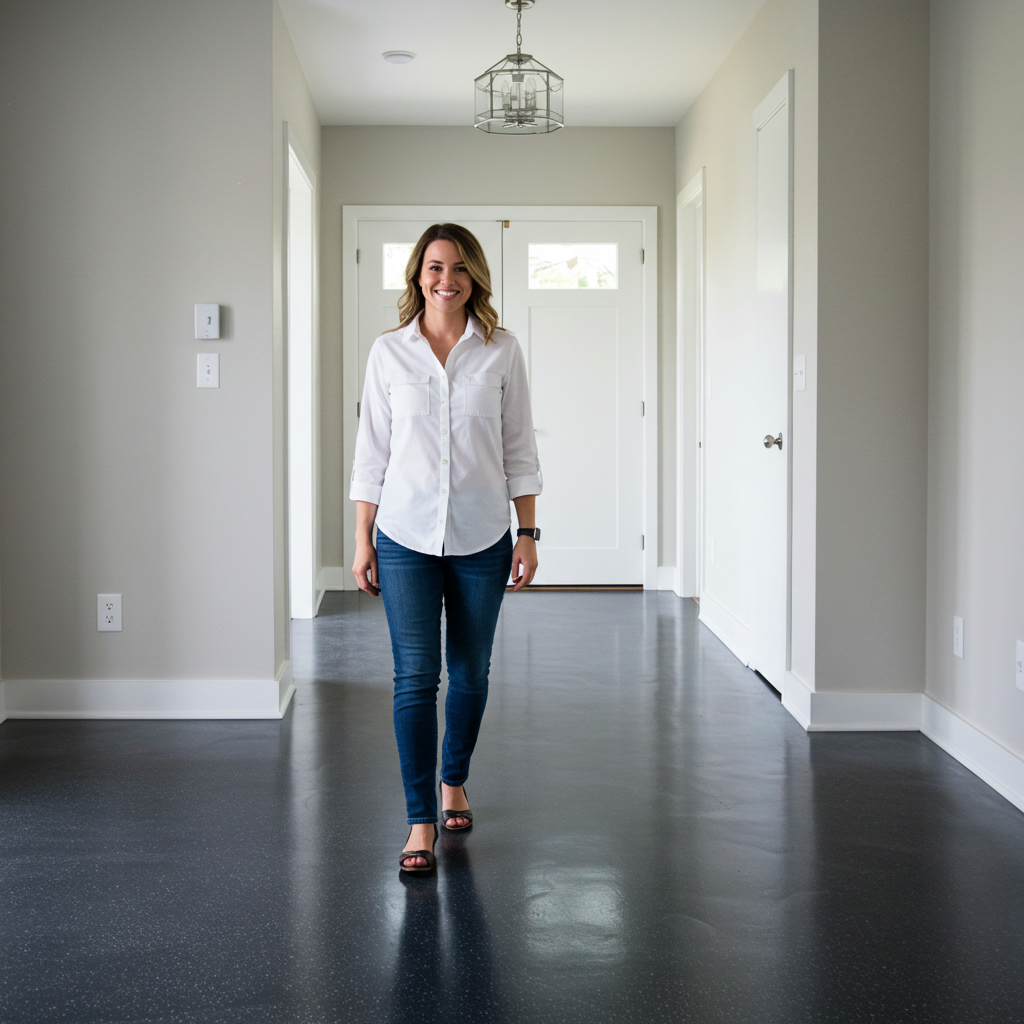
Unlock Decades of Beauty: The Ultimate Epoxy Flooring Longevity Guide for Tampa Homes
What Factors Influence Epoxy Flooring Lifespan in Tampa?
Understanding the variables that impact the durability of your epoxy floors is the first step in maximizing their lifespan. In Tampa, certain environmental and usage factors play a crucial role:
- Initial Installation Quality: The foundation of epoxy longevity begins with expert installation. This includes meticulous surface preparation, such as grinding and cleaning, moisture testing (critical in humid Tampa), and precise mixing and application of the epoxy resins. A subpar installation can lead to premature peeling, bubbling, or delamination, severely shortening the floor's life. Professionals like Tampa Epoxy Flooring Pros ensure all steps are followed to perfection, creating a strong bond with the substrate.
- Traffic and Usage: The amount and type of traffic your epoxy floor experiences directly correlate with its wear. A garage floor used for parking multiple heavy vehicles daily will likely show wear sooner than a residential basement floor. Commercial spaces with heavy foot traffic or machinery naturally have a shorter lifespan without robust maintenance.
- UV Exposure: Tampa's abundant sunshine is a blessing, but it can be harsh on certain epoxy formulations. Prolonged UV exposure can cause some epoxy types to yellow, chalk, or become brittle over time. Utilizing UV-resistant topcoats, often polyurethane or polyaspartic, is essential for exterior applications or areas with significant direct sunlight.
- Maintenance Routine: Consistent and correct cleaning practices are paramount. Allowing dirt, grit, and chemicals to sit on the surface can accelerate wear. Regular cleaning removes abrasive particles and prevents staining, preserving the finish.
- Substrate Condition: The concrete slab beneath the epoxy must be sound. Issues like existing cracks, ongoing moisture vapor transmission, or oil stains not properly addressed during preparation can compromise the epoxy's adhesion and lead to premature failure.
- Chemical Exposure: While epoxy is highly resistant to many chemicals, prolonged exposure to strong acids, solvents, or automotive fluids (like brake fluid) can degrade the surface. Immediate cleanup of spills is vital to prevent etching or staining.
How Can I Prevent Common Epoxy Floor Damage in Tampa?
Proactive prevention is far easier and less costly than repair. By adopting a few simple habits, you can significantly extend the life and beauty of your epoxy flooring in Tampa:
- Protect from Scratches and Abrasions: Place felt pads under furniture legs, especially heavy items that might be dragged. Use rubber mats or non-slip rugs in high-traffic areas or under heavy equipment in garages to buffer against impact and abrasion. Avoid dragging sharp or heavy objects directly across the floor.
- Avoid Harsh Chemicals and Abrasive Cleaners: Always use pH-neutral cleaners specifically designed for epoxy floors. Harsh detergents, acidic cleaners (like vinegar), or abrasive scouring powders can dull the finish and potentially degrade the epoxy surface over time.
- Manage UV Exposure: For outdoor epoxy applications or floors in sun-drenched rooms, ensure a UV-stable topcoat was applied. For garage floors with direct sunlight, consider window tinting or blinds to minimize prolonged exposure, which helps prevent yellowing and chalking.
- Address Spills Immediately: Epoxy is stain-resistant but not stain-proof. Oils, greases, chemicals, paint, or even certain food spills should be wiped up promptly using a soft cloth and a mild cleaner. This prevents them from setting or etching the surface.
- Prevent Impact Damage: While durable, epoxy isn't indestructible. Avoid dropping heavy or sharp tools directly onto the floor. In workshop areas, consider using thicker epoxy systems or rubber mats in key zones to absorb impact.
- Control Moisture: For garage epoxy floors, ensure proper drainage away from the garage entrance. Periodically check for any leaks from vehicles or appliances. While epoxy creates a moisture barrier, excessive standing water can still impact underlying issues or promote staining if left for extended periods.
When Should I Consider Professional Epoxy Maintenance & Reapplication in Tampa?
Even with the best care, epoxy floors will eventually show signs of wear. Knowing when to call in the professionals for maintenance or reapplication can prevent minor issues from becoming costly repairs and ensure your investment lasts. Look out for these indicators:
- Dulling or Loss of Sheen: If your once-glossy epoxy floor has lost its luster and appears dull even after cleaning, it might be a sign the topcoat is wearing thin. A professional re-coat can restore its shine and protective layer.
- Minor Abrasions or Surface Scratches: While epoxy is scratch-resistant, heavy traffic can lead to fine scratches or superficial abrasions. If these become widespread or deep, they compromise the aesthetic and can lead to more significant damage if not addressed.
- Chipping or Flaking: Small chips or flakes, especially along edges or in high-impact areas, indicate localized damage. While minor, these can expand if not repaired, allowing moisture or contaminants to penetrate beneath the epoxy.
- Discoloration or Yellowing (Beyond UV): While UV exposure can cause yellowing, other forms of discoloration (e.g., from chemical spills that were not cleaned quickly, or uneven wear) might necessitate professional intervention to restore color uniformity.
- Loss of Adhesion (Peeling or Bubbling): This is a more serious sign, often indicating an issue with the original installation or substrate. Peeling from the edges or small bubbles forming on the surface mean the epoxy is detaching from the concrete. This requires immediate professional assessment and repair to prevent further delamination.
- Significant Cracks or Deep Gouges: If the concrete slab develops new cracks or if your epoxy surface suffers deep gouges, these breaches can allow moisture to penetrate, potentially undermining the entire system. Professional repair involves filling and sealing these areas before re-coating.
Tampa Epoxy Flooring Pros recommend a professional inspection every 5-10 years, even if no major issues are apparent. This proactive approach allows experts to identify subtle wear patterns or potential problems early, providing targeted solutions like a fresh topcoat or localized repairs, which significantly extends the overall life of your epoxy flooring Tampa.
What Are the Best Practices for Daily Epoxy Care in Tampa's Climate?
Maintaining the pristine condition of your epoxy flooring in Tampa requires a consistent, yet simple, daily and weekly routine, especially considering our humid climate:
- Regular Sweeping or Vacuuming: Daily sweeping with a soft-bristle broom or vacuuming with a soft brush attachment is crucial to remove sand, dirt, and grit. These tiny particles act like sandpaper underfoot, gradually eroding the epoxy's protective topcoat.
- Damp Mopping with pH-Neutral Cleaners: For general cleaning, a damp mop with warm water and a pH-neutral, non-abrasive cleaner is ideal. Avoid soap-based cleaners as they can leave a residue that dulls the finish and can become slippery. Microfiber mops work exceptionally well for lifting dirt without harsh scrubbing.
- Immediate Spill Cleanup: This cannot be stressed enough. Any spills, particularly those involving oils, chemicals, acidic liquids (like fruit juice or vinegar), or strong detergents, should be wiped up immediately with a soft cloth. Follow with a quick clean using a mild detergent and water.
- Using Walk-Off Mats: Place walk-off mats at entryways, especially garage doors, to trap dirt, sand, and moisture before they reach your epoxy floor. This significantly reduces the amount of abrasive debris carried onto the surface.
- Avoiding Abrasive Tools and Cleaners: Never use steel wool, abrasive brushes, or harsh scouring pads on your epoxy floors. These will scratch the surface and dull the finish. Similarly, avoid cleaners containing acids, bleaches, or ammonia unless specifically recommended by your installer for a particular issue.
- Ensuring Proper Ventilation: In Tampa's humid environment, especially in enclosed spaces like garages, ensuring good ventilation can help reduce moisture buildup. This is beneficial for preventing mold or mildew growth, particularly if the area is prone to dampness.
Are There Specific Challenges for Epoxy Floors in Tampa's Humid Climate?
Tampa's subtropical climate, characterized by high humidity, intense sun, and frequent rainfall, presents unique considerations for epoxy flooring that professional installers are well-versed in handling:
- Moisture Vapor Transmission (MVT): This is arguably the biggest challenge. High humidity and a water table often close to the surface can lead to moisture vapor rising through the concrete slab. If the slab isn't properly tested and prepared, or if a suitable moisture barrier isn't applied, this MVT can cause the epoxy to delaminate, bubble, or blister. Professional installers use specialized primers and test kits to mitigate this risk.
- High Humidity Impact on Curing: Humidity can affect the curing process of epoxy, especially if not accounted for during application. Too much humidity can lead to a phenomenon known as
Need Professional Assistance?
Get a free, no-obligation estimate from our expert local team today.