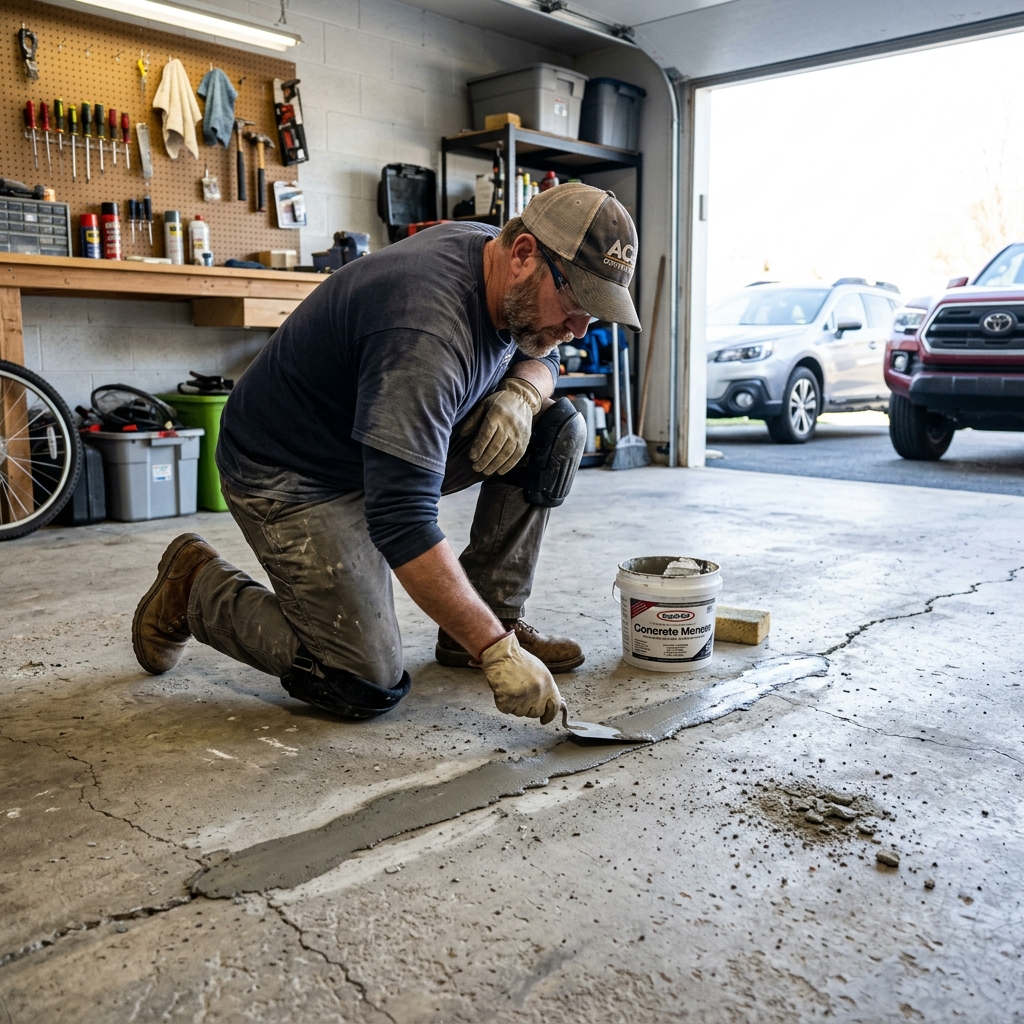
Cracked Epoxy Floor in Tampa? Know When to Repair or Replace!
When facing a damaged epoxy floor in Tampa, FL, the decision to repair or replace hinges on the severity, underlying cause, and age of the existing coating. Minor cracks, chips, or surface wear can often be expertly repaired, extending the floor's life. However, widespread delamination, significant substrate damage, or extensive chemical erosion typically warrant a full replacement for lasting durability and safety.
Epoxy flooring is a popular choice for homes and businesses across Tampa, offering unparalleled durability, aesthetic versatility, and ease of maintenance. From garage floors in residential properties to high-traffic industrial spaces, its resilience is a major draw. However, even the toughest epoxy coatings aren't immune to damage. The unique climate of Tampa, with its high humidity, intense sun exposure, and occasional heavy downpours, can contribute to specific types of wear and tear not always seen in other regions. Understanding the nature of the damage and whether it calls for a targeted repair or a comprehensive replacement is crucial for protecting your investment and ensuring the longevity of your floor. This guide from Tampa Epoxy Flooring Pros will help you navigate these critical decisions.
What Are Common Types of Epoxy Floor Damage in Tampa, FL?
Epoxy floors can encounter various forms of damage, each with its own implications for repair or replacement. Recognizing these issues early can prevent more extensive problems down the line:
- Cracking: Often caused by foundation movement, heavy impacts, or improper substrate preparation. In Tampa, shifting soils and concrete expansion/contraction due to temperature fluctuations can exacerbate this.
- Peeling or Delamination: This occurs when the epoxy coating separates from the concrete slab. High humidity during installation, inadequate surface preparation (e.g., not properly cleaning or profiling the concrete), or moisture vapor transmission from the slab are common culprits, especially in Florida's humid environment.
- Blistering or Bubbling: Small, raised bubbles in the coating, frequently a result of trapped air, outgassing from the concrete (common in porous slabs during hot weather), or rapid curing.
- Discoloration or Fading: While epoxy is highly resistant, prolonged exposure to direct sunlight and UV rays can cause some types to yellow or fade over time. This is particularly relevant for outdoor applications or spaces with large windows in sunny Tampa.
- Scratches, Abrasions, and Dents: Resulting from heavy equipment, dropped tools, or general wear and tear in high-traffic areas.
- Chemical Stains: Although epoxy is chemically resistant, prolonged exposure to harsh acids, solvents, or certain chemicals can leave permanent stains or degrade the coating.
Understanding these specific types of damage is the first step in determining the best course of action for your Tampa property.
How Do I Know If My Tampa Epoxy Floor Needs Repair or Replacement?
Deciding between repair and replacement often comes down to the extent and nature of the damage. Here’s how to assess your situation:
Opt for Repair When:
- Damage is localized: A few small cracks, chips, or isolated areas of peeling.
- Surface level: Scratches or minor abrasions that haven't compromised the entire coating thickness.
- Cosmetic issues: Small areas of discoloration or fading that don't affect structural integrity.
- Underlying substrate is sound: The concrete slab beneath is stable and not showing widespread issues.
Repairs are often more cost-effective and less disruptive. They involve patching, spot recoating, or specific techniques to address the localized issue. A skilled technician can blend the repair seamlessly with the existing floor, restoring both aesthetics and function.
Consider Replacement When:
- Widespread Delamination: If large sections of the epoxy are peeling or delaminating, it indicates a significant adhesion failure, often requiring complete removal and reapplication.
- Extensive Cracking: A network of cracks, especially those extending deep into the concrete, suggests fundamental substrate issues that a simple patch won't resolve.
- Severe Chemical Damage: If chemicals have significantly degraded the epoxy, compromising its protective barrier over a large area, replacement is usually necessary for safety and durability.
- Major Moisture Issues: Persistent moisture vapor transmission from the concrete slab, if not addressed during the initial installation, will continue to cause issues. A proper replacement would involve comprehensive moisture mitigation.
- Outdated or Poorly Installed Floor: If your current epoxy floor is old, poorly installed, or simply doesn't meet your current needs, a full replacement allows for a fresh start with modern materials and techniques.
For homeowners and businesses in areas such as Westchase, maintaining the integrity of your epoxy flooring is crucial for both safety and aesthetics. Consulting with a local epoxy flooring specialist is key to making the right call.
What Does a Professional Epoxy Floor Assessment Involve?
When you call Tampa Epoxy Flooring Pros for an assessment, you can expect a thorough, professional evaluation designed to accurately diagnose your floor's condition and recommend the most effective solution.
Our assessment process typically includes:
- Visual Inspection: A detailed examination of the entire floor surface to identify visible damage such as cracks, chips, peeling, blisters, and discoloration.
- Substrate Analysis: Assessing the condition of the concrete slab underneath. This may involve looking for signs of moisture, testing for hardness, and identifying any previous coatings or contaminants.
- Moisture Testing: Critical in Tampa's climate, we utilize specialized equipment to measure moisture vapor transmission rates and relative humidity within the concrete. Excessive moisture is a leading cause of epoxy failure.
- Adhesion Testing: For existing epoxy, we might perform pull-off adhesion tests to determine how well the coating is bonded to the substrate.
- Identifying Root Causes: Our experts don't just identify the damage; they work to understand *why* it occurred. Was it improper preparation, environmental factors, or excessive wear?
- Detailed Recommendation and Estimate: Based on our findings, we provide a clear, honest recommendation – whether it's a precise repair or a complete removal and reinstallation – along with a transparent, no-obligation estimate outlining the scope of work, materials, and timeline.
This comprehensive approach ensures that the recommended solution is not a temporary fix but a durable, long-term solution tailored to your specific needs and the unique demands of the Tampa environment.
What is the Process for Epoxy Floor Repair or Replacement in Tampa?
Whether it's repair or replacement, our process is designed for efficiency, quality, and minimal disruption.
Epoxy Floor Repair Process:
- Surface Preparation: The damaged area is carefully cleaned, sanded, or ground to create a clean, profiled surface for optimal adhesion.
- Crack/Chip Repair: Cracks are often V-grooved and filled with specialized epoxy or polyurea patching compounds. Chips are filled and leveled.
- Spot Re-coating: A new layer of epoxy is applied to the repaired area, carefully feathered and blended with the surrounding existing coating to achieve a uniform finish.
- Curing: The repaired area is allowed to cure according to manufacturer specifications, ensuring maximum strength and durability.
Epoxy Floor Replacement Process:
- Existing Coating Removal: The old epoxy is mechanically ground off the concrete slab using diamond grinders. This crucial step removes all old material and contaminants, exposing a clean, porous concrete surface.
- Concrete Substrate Preparation: The bare concrete is then thoroughly cleaned, repaired (e.g., filling cracks, leveling uneven areas), and profiled to ensure optimal adhesion for the new epoxy system. This might include shot blasting or further grinding.
- Moisture Mitigation (If Needed): A specialized moisture barrier primer is applied if moisture testing indicates elevated levels, protecting the new epoxy from future delamination.
- Primer Application: A high-quality epoxy primer is applied to seal the concrete and enhance adhesion.
- Base Coat and Flake/Color Application: The desired base coat is applied, followed by decorative flakes (if chosen) or pigments for solid color systems.
- Top Coat Application: One or more clear, durable topcoats are applied to seal in the flakes or color, provide UV protection, and enhance wear resistance.
- Curing: The entire new floor system is allowed to cure fully before it's returned to service, ensuring maximum performance and longevity.
Whether you're in the heart of Tampa or surrounding areas like Hunter's Green, understanding these distinctions is vital. Choosing a reputable local contractor like Tampa Epoxy Flooring Pros ensures the work is done correctly, using quality materials suited for Florida's conditions.
Don't let damaged epoxy flooring compromise the safety, aesthetics, or value of your Tampa property. Recognizing the signs of wear and tear, understanding the difference between repair and replacement, and trusting experienced professionals are key to a long-lasting, beautiful floor. Our team at Tampa Epoxy Flooring Pros is dedicated to providing superior epoxy solutions throughout the Tampa Bay area, ensuring your floor looks great and performs flawlessly for years to come. From minor crack repairs to complete system overhauls, we have the expertise and equipment to deliver exceptional results.
Need Professional Assistance?
Get a free, no-obligation estimate from our expert local team today.