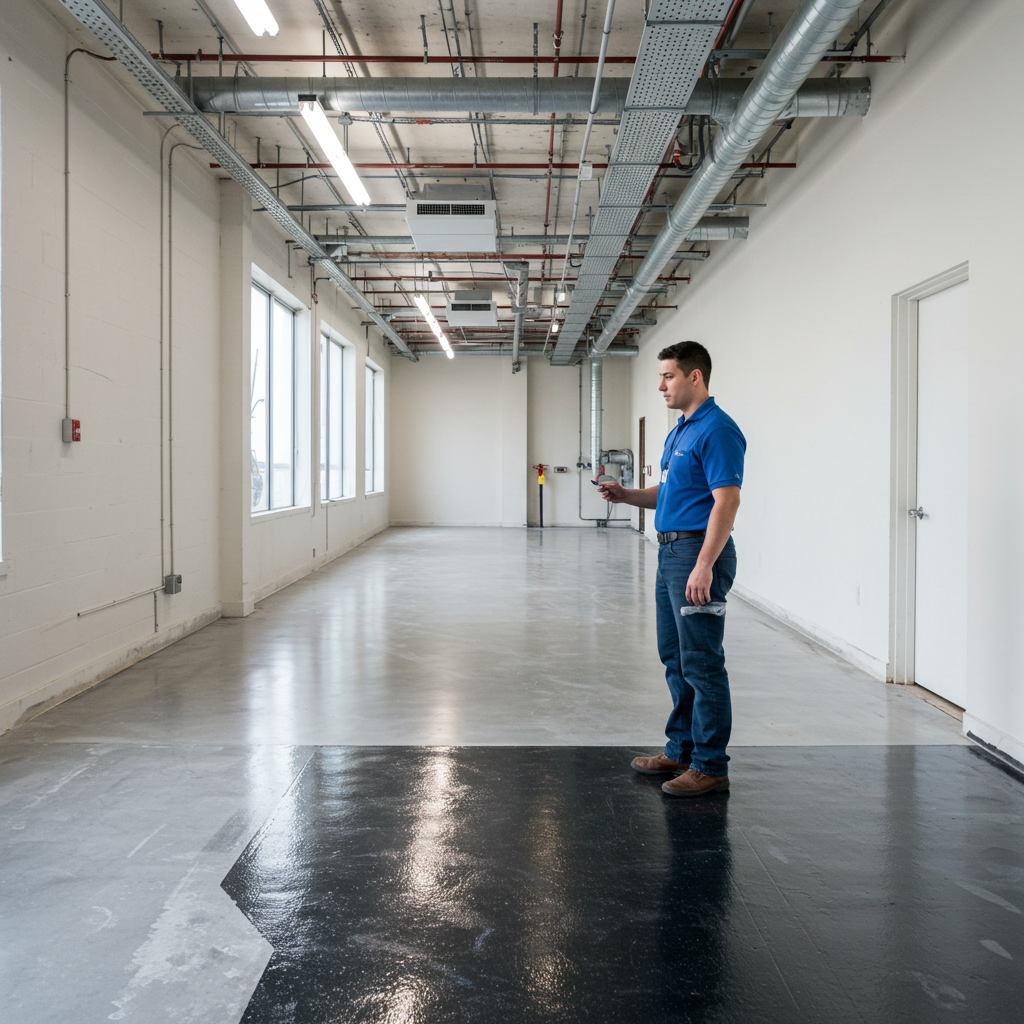
Epoxy Floor Failure Forensics: Diagnosing & Resolving Issues in Tampa
Epoxy floor failures in Tampa, such as peeling, bubbling, or cracking, are primarily caused by improper surface preparation, moisture intrusion, incorrect material mixing, or inadequate curing. Accurate diagnosis of these underlying issues is crucial for effective and lasting repair solutions.
Epoxy flooring is renowned for its exceptional durability, aesthetic appeal, and resistance, making it a popular choice for homes and businesses across Tampa. However, even the most robust systems can encounter problems if not installed or maintained correctly. When an epoxy floor begins to show signs of distress, it's not just an aesthetic concern; it often signals deeper underlying issues that can compromise the floor's integrity and lifespan. Understanding these signs and their root causes is the first step toward a lasting solution. This guide delves into the 'forensics' of epoxy floor failure, helping you identify problems and understand how professional intervention can restore your floor to its intended glory.
What Are the Key Indicators of Epoxy Floor Failure in Tampa Homes and Businesses?
Identifying the early signs of epoxy floor failure can prevent minor issues from escalating into major, costly repairs. Look out for these common indicators:
- Peeling and Delamination: This is perhaps the most common and visible sign of failure. Peeling occurs when the epoxy coating separates from the concrete substrate or an underlying epoxy layer. Delamination refers to the general separation of layers. It often starts at edges or joints and can spread.
- Bubbling and Blistering: Bubbles are small, raised pockets on the surface, while blisters are larger, more pronounced versions. They form when air or moisture becomes trapped beneath the curing epoxy, or when gases are released from the concrete.
- Cracking and Crazing: Cracks can appear as thin lines (crazing) or more significant fractures. These often indicate stress within the epoxy, movement in the concrete slab beneath, or an improperly formulated mix that lacks flexibility.
- Dullness, Yellowing, or Discoloration: While some epoxy types are designed to be UV stable, many can yellow or become dull over time, especially with prolonged exposure to sunlight or certain chemicals. Discoloration might also point to chemical reactions or poor quality materials.
- Soft Spots or Tackiness: A properly cured epoxy floor should be hard and smooth. If sections remain soft, sticky, or tacky long after the recommended cure time, it indicates an improper mix ratio, insufficient curing, or contamination.
Each of these symptoms provides a clue for diagnosing the underlying problem, which is crucial for determining the most effective repair strategy.
The Forensics: Uncovering the Root Causes of Epoxy Problems in Tampa's Unique Climate
Understanding why an epoxy floor fails requires a forensic approach, examining the installation process, environmental factors, and material quality. In Tampa, specific climatic conditions can exacerbate common issues:
Lack of Proper Substrate Preparation
This is overwhelmingly the #1 cause of epoxy floor failure. Epoxy relies on a strong mechanical bond with the concrete substrate. If the concrete isn't properly prepared, the bond will fail.
- Inadequate Cleaning: Oil, grease, dirt, old paint, sealers, or other contaminants on the concrete surface act as bond breakers, preventing the epoxy from adhering.
- Insufficient Profiling: Concrete surfaces must be profiled (roughened) to allow the epoxy to
Need Professional Assistance?
Get a free, no-obligation estimate from our expert local team today.