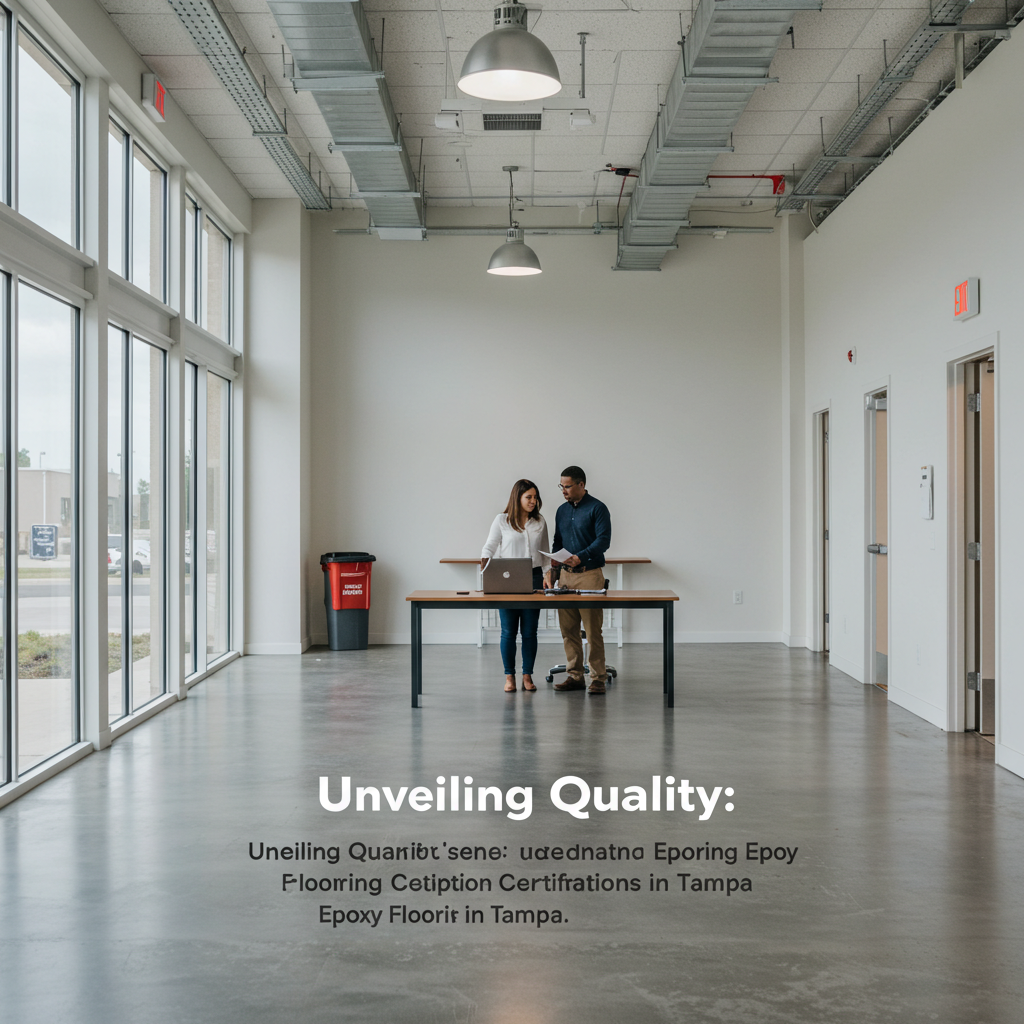
Unveiling Quality: Understanding Epoxy Flooring Certifications in Tampa
When investing in epoxy flooring for your Tampa home or business, it's easy to get caught up in the aesthetics – the colors, flakes, and finishes. However, what truly separates a superior, long-lasting epoxy floor from a mediocre one lies beneath the surface: its adherence to industry certifications and standards. These guidelines are not just bureaucratic hurdles; they are fundamental assurances of quality, safety, and performance, tailored to specific environments and uses. For residents and businesses in Tampa, understanding these certifications is key to making an informed decision and ensuring your flooring stands up to Florida's unique climate and demands.
What Key Epoxy Flooring Certifications Matter for Tampa Properties?
Various organizations set benchmarks for epoxy flooring products, each focusing on different performance aspects. Knowing these helps you discern genuine quality:
- ASTM International (American Society for Testing and Materials): This is a globally recognized organization that develops and publishes voluntary consensus technical standards for a wide range of materials, products, systems, and services. For epoxy flooring, ASTM standards evaluate critical properties like:
- Abrasion Resistance (ASTM D4060): Measures how well the floor resists wear from traffic and scrubbing. Crucial for high-traffic areas in Tampa businesses.
- Impact Resistance (ASTM D2794): Determines the floor's ability to withstand sudden blows. Essential for garages, warehouses, and industrial settings.
- Adhesion Strength (ASTM D4541): Ensures the epoxy bonds properly to the substrate, preventing delamination, a common issue if not applied correctly.
- Chemical Resistance (ASTM D1308): Tests the epoxy's ability to resist staining and damage from various chemicals, important for commercial kitchens, laboratories, or even home garages.
- OSHA (Occupational Safety and Health Administration): While OSHA doesn't certify products directly, its regulations often dictate performance requirements for workplace safety, particularly regarding slip resistance (e.g., COF – Coefficient of Friction). Compliant epoxy systems help businesses meet these vital safety standards.
- USDA (U.S. Department of Agriculture) / FDA (Food and Drug Administration): For food processing facilities, commercial kitchens, and healthcare environments in Tampa, epoxy flooring must meet stringent USDA/FDA guidelines. This typically means seamless, non-porous, easily cleanable surfaces that resist bacterial growth and can withstand aggressive cleaning protocols.
- LEED (Leadership in Energy and Environmental Design): For environmentally conscious projects in Tampa, LEED certification recognizes building materials that contribute to green building practices. This often involves epoxy systems with low Volatile Organic Compound (VOC) content, enhancing indoor air quality.
- FloorScore/SCS Global Services: These third-party certifications specifically address indoor air quality, verifying that flooring products meet strict VOC emission criteria. This is particularly important for residential and commercial spaces where occupant health is a priority.
How Do Certifications Ensure Epoxy Floor Safety and Durability in Florida's Climate?
Tampa's unique subtropical climate, characterized by high humidity, intense sun, and occasional heavy rain, presents specific challenges for flooring. Certifications play a vital role in ensuring epoxy floors can withstand these conditions:
- Slip Resistance: With frequent humidity and the potential for spills (especially around pools or in commercial settings), slip-resistant epoxy surfaces are paramount. Certifications like ASTM D2047 (Static Coefficient of Friction) ensure the floor meets safety requirements, significantly reducing the risk of slips and falls for both residents and employees.
- UV Stability: Florida's abundant sunshine can cause traditional epoxy to yellow, chalk, or degrade over time, particularly in outdoor applications or areas exposed to direct sunlight like garage doorways. Certifications or product specifications indicating UV stability ensure the epoxy maintains its color and integrity, preserving the aesthetic appeal and structural soundness.
- Moisture Mitigation: High humidity can lead to moisture vapor transmission (MVT) from concrete subfloors. While specific epoxy *products* aren't certified for MVT, specialized moisture-tolerant epoxy primers and systems are engineered and tested to ASTM standards (like F1869 or F2170) to ensure proper adhesion and prevent bubbling or delamination in moisture-prone environments.
- Thermal Shock Resistance: Areas with fluctuating temperatures, such as cold storage or industrial freezers, require epoxy that can withstand rapid temperature changes without cracking or delaminating. Certified systems are formulated to maintain integrity under such stresses.
Why Are Industry-Specific Epoxy Standards Crucial for Tampa Businesses?
For Tampa businesses, selecting epoxy flooring isn't just about appearance; it's about operational efficiency, safety, and compliance. Industry-specific standards are non-negotiable for many commercial and industrial applications:
- Food and Beverage Facilities: Adherence to USDA/FDA standards is critical for hygiene. Epoxy floors must be seamless, non-porous, and able to withstand rigorous cleaning with harsh chemicals without degradation. This prevents bacterial growth and ensures a sanitary environment, crucial for public health and regulatory compliance.
- Healthcare Environments: Hospitals, clinics, and laboratories require flooring that is not only hygienic but also resistant to chemicals, easy to sanitize, and potentially antimicrobial. Certified systems offer these properties, contributing to a sterile and safe environment for patients and staff.
- Manufacturing and Industrial Plants: These environments demand extreme durability. Certifications for high abrasion, impact, and chemical resistance (e.g., from acids, oils, and solvents) ensure the floor can withstand heavy machinery, constant traffic, and spills, minimizing downtime and maintenance costs. Anti-static (ESD) epoxy flooring may also be required for facilities handling sensitive electronics.
- Retail and Showrooms: While aesthetics are key, durability and slip resistance are equally important. Certified floors ensure longevity against heavy foot traffic and provide a safe shopping experience, protecting both customers and the business from potential liabilities.
- Legal Compliance and ROI: Meeting relevant certifications and standards helps Tampa businesses avoid costly fines, ensure employee safety, and protect against legal liabilities. Furthermore, a certified, high-performance epoxy floor translates to a longer lifespan, reduced maintenance, and ultimately, a higher return on investment for the business.
What Should Tampa Homeowners Look for in Certified Epoxy Flooring?
Even for residential applications, certifications offer peace of mind and ensure a quality investment:
- Indoor Air Quality (VOCs): For your family's health, opt for epoxy products with low-VOC content, often indicated by FloorScore or similar certifications. This ensures minimal emission of harmful chemicals into your home's air.
- Slip Resistance: Especially important for garages, patios, or utility rooms where spills or moisture might occur. Inquire about slip-resistant additives or finishes that meet safety benchmarks.
- Durability and Abrasion Resistance: A certified high-quality epoxy will resist scratches, abrasions, and stains from everyday use in garages, kitchens, or laundry rooms, maintaining its pristine appearance for years.
- UV Stability: If your garage or other areas receive direct sunlight, choosing a UV-stable epoxy (often aliphatics or polyaspartics) prevents yellowing and fading, preserving the aesthetic appeal.
- Manufacturer Warranties: Reputable epoxy manufacturers stand by their products. A strong warranty, backed by quality certifications, indicates confidence in the product's longevity and performance.
Navigating the world of epoxy flooring certifications might seem complex, but it’s a critical step toward ensuring your investment in Tampa is protected and performs as expected. These standards guarantee not only the visual appeal but also the underlying strength, safety, and durability of your floors, especially important in a demanding climate like ours.
For expert guidance on selecting and installing epoxy flooring that meets the highest certifications and standards for your specific needs, whether residential or commercial, trust the professionals. Tampa Epoxy Flooring Pros are committed to delivering top-tier, compliant, and long-lasting epoxy solutions, ensuring your floors are not just beautiful, but also built to last with unparalleled quality and safety.
Need Professional Assistance?
Get a free, no-obligation estimate from our expert local team today.