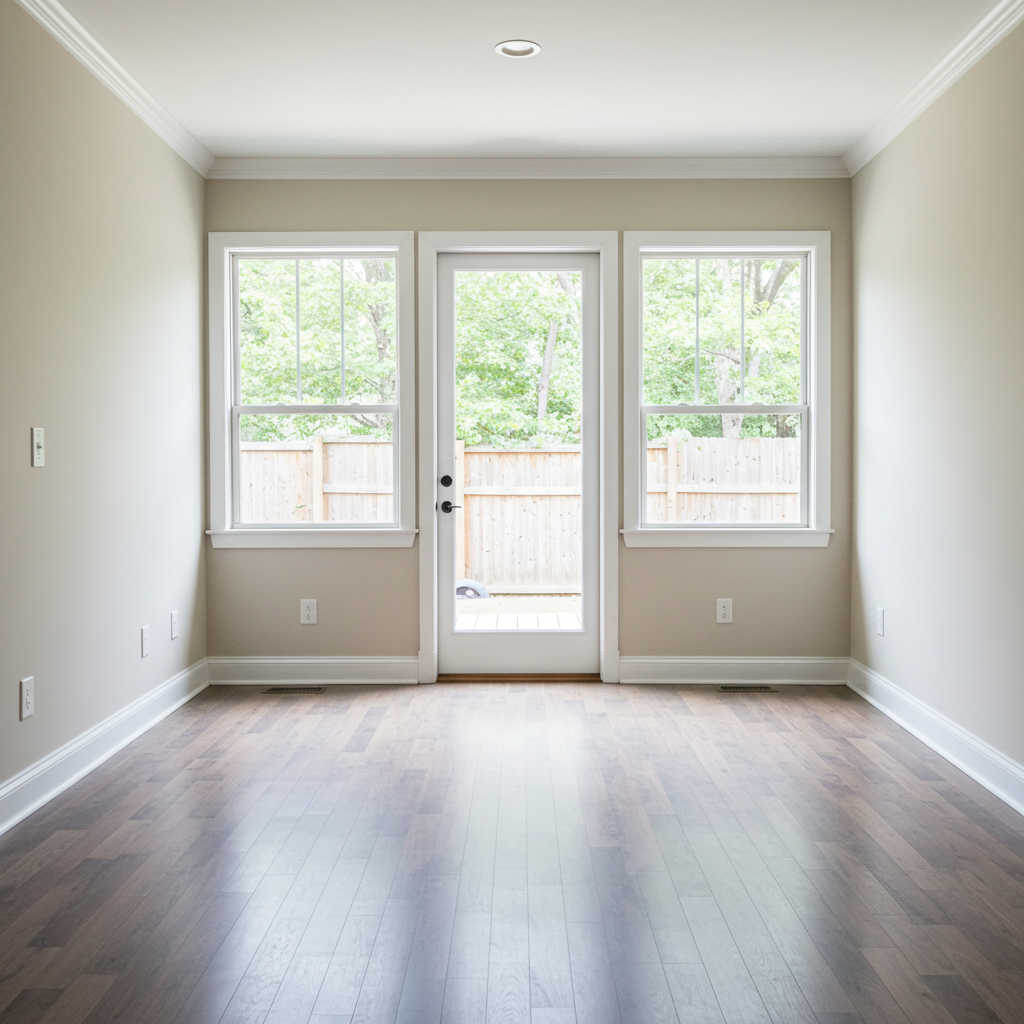
Beat the Heat & Humidity: Preventing Common Epoxy Floor Issues in Tampa Homes
Epoxy flooring has become a popular choice for homes and businesses across Tampa, celebrated for its stunning aesthetics, exceptional durability, and easy maintenance. From transforming mundane garage floors into vibrant, showroom-worthy spaces to providing resilient surfaces in commercial kitchens, epoxy offers a wealth of benefits. However, even the toughest flooring can face challenges, especially in Tampa’s unique climate. Understanding the common causes of epoxy floor damage is the first step toward prevention, helping you safeguard your investment and ensure your floors remain beautiful for years to come.
This guide will delve into the specific environmental factors, installation pitfalls, and everyday hazards that can compromise your epoxy floors in the Tampa Bay area. More importantly, we'll equip you with expert knowledge on how to prevent these issues, ensuring your epoxy remains a testament to both strength and style.
How Does Tampa's Climate Contribute to Epoxy Floor Problems?
Tampa's tropical climate, characterized by high humidity, intense sunlight, and frequent temperature fluctuations, can pose unique challenges for epoxy flooring. These environmental factors, if not properly accounted for during installation and maintenance, can significantly impact your floor's longevity and appearance.
- High Humidity and Moisture Intrusion: This is arguably Tampa's biggest epoxy foe. Substrates (like concrete) naturally contain moisture. If not adequately measured and mitigated before epoxy application, this moisture can cause significant problems.
- Why it happens: Excess moisture can create hydrostatic pressure, forcing moisture vapor upwards. This pressure can disrupt the bond between the epoxy and the concrete, leading to:
- Blistering: Small bubbles or pockets appearing on the surface, often containing trapped moisture or air.
- Delamination: The epoxy coating lifting or peeling away from the concrete substrate.
- Prevention: A professional installer in Tampa will always perform rigorous moisture testing (e.g., calcium chloride tests, relative humidity probes) and recommend appropriate moisture barrier systems if needed, ensuring the concrete is dry and stable before application.
- Intense UV Exposure: Tampa enjoys abundant sunshine, but UV rays can be detrimental to certain epoxy formulations.
- Why it happens: Many standard epoxies are not UV stable. Prolonged exposure to sunlight, especially in south-facing garages or sunrooms, can cause:
- Yellowing or Ambering: The clear topcoat or lighter colored epoxies can discolor, turning a yellowish hue.
- Chalking: The surface can develop a powdery residue, losing its sheen and becoming dull.
- Prevention: Opt for UV-stable topcoats, such as polyaspartic or urethane, which are specifically designed to resist yellowing and degradation from sunlight. These are particularly crucial for outdoor applications or areas with direct sun exposure.
- Heat and Thermal Expansion: While less dramatic than humidity, Tampa's high temperatures can also affect flooring.
- Why it happens: Concrete expands and contracts with temperature changes. If the epoxy system isn't flexible enough or applied incorrectly over expansion joints, it can lead to:
- Cracking: Stress cracks can form in the epoxy if the underlying concrete moves excessively or if the coating is too rigid.
- Tire Pickup: In garages, hot tires can soften inadequately cured or low-quality epoxy, causing the tire's rubber to bond with and pull up the coating.
- Prevention: Ensure proper expansion joint treatment in the concrete before epoxy application. Use high-quality, heat-resistant epoxy or polyaspartic systems, especially in garage environments.
What Installation Errors Lead to Premature Epoxy Floor Failure in Tampa?
Even the highest quality epoxy materials can fail if not installed correctly. Poor preparation and improper application are primary culprits behind many epoxy floor issues, underscoring the importance of hiring experienced professionals like Tampa Epoxy Flooring Pros.
- Inadequate Subfloor Preparation: This is the foundation of a lasting epoxy floor. Skipping or skimping on prep is a recipe for disaster.
- Why it happens: Epoxy needs a clean, porous, and properly profiled surface to create a strong mechanical and chemical bond. Common prep errors include:
- Dirty or Oily Substrate: Dust, grease, old paint, or sealers prevent proper adhesion.
- Smooth or Un-etched Concrete: The surface needs a profile (like 80-grit sandpaper) for the epoxy to grip. Acid etching, grinding, or shot blasting are common methods.
- Cracks and Pitting Not Repaired: Existing damage in the concrete will eventually telegraph through the new epoxy coating.
- Prevention: Professional installers thoroughly clean, degrease, repair, and profile the concrete surface using specialized equipment.
- Improper Mixing and Application: Epoxy is a two-part (resin and hardener) chemical system that requires precise mixing.
- Why it happens: Incorrect ratios, insufficient mixing, or improper application techniques can lead to:
- Soft Spots or Sticky Areas: Uncured epoxy due to incorrect mixing ratios.
- Uneven Coating Thickness: Leading to inconsistent durability and wear patterns.
- Bubbles or Pinholes: Caused by rapid application, trapped air, or incorrect rolling techniques.
- Prevention: Follow manufacturer's instructions meticulously, use proper mixing equipment, and apply within recommended pot life and temperature ranges. This is best left to experienced professionals.
- Insufficient Curing Time: Patience is crucial during the curing process.
- Why it happens: Rushing to use the floor before the epoxy has fully cured to its maximum hardness can result in:
- Scratches and Dents: The still-soft coating is highly susceptible to damage.
- Chemical Stains: Reduced resistance to spills.
- Tire Marks: Hot tires can easily mark partially cured epoxy.
- Prevention: Adhere strictly to the manufacturer's recommended curing times for foot traffic and heavy vehicle traffic, which can vary based on product and environmental conditions.
What Everyday Hazards Threaten Your Epoxy Floors in Tampa?
Beyond climate and installation, daily life and activities can also pose threats to your epoxy flooring. Understanding these common hazards helps you take simple, proactive steps to protect your investment.
- Heavy Traffic and Abrasion: While epoxy is durable, constant friction from foot traffic, rolling carts, or machinery can eventually take its toll.
- Why it happens: The protective topcoat, designed to resist abrasion, will gradually wear down over time, especially in high-traffic areas, leading to:
- Dulling and Loss of Sheen: The glossy finish can become matte or hazy.
- Scratches: Abrasive particles (sand, gravel) tracked in can scratch the surface.
- Prevention: Regularly sweep and mop to remove abrasive particles. Use walk-off mats at entryways. Consider installing a sacrificial wax or polish in commercial settings.
- Chemical Spills and Stains: Epoxy boasts excellent chemical resistance, but not all chemicals are benign, and prolonged exposure can cause issues.
- Why it happens: Strong acids, solvents, or certain harsh cleaning agents can react with the epoxy, leading to:
- Etching: The surface becomes rough or dull where the chemical made contact.
- Discoloration or Staining: Pigments in the epoxy can react or be bleached.
- Prevention: Clean up spills immediately. Use only pH-neutral cleaners specifically recommended for epoxy floors.
- Impact Damage: Dropped tools, heavy objects, or sudden impacts can chip or crack the epoxy.
- Why it happens: While incredibly hard, epoxy is not immune to sharp, heavy impacts, especially if the concrete underneath is damaged or uneven, resulting in:
- Chips: Small pieces of epoxy breaking away.
- Cracks: Spiderweb or linear cracks forming.
- Prevention: Use caution when moving heavy items. Consider anti-fatigue mats in areas where tools are frequently dropped.
How Can Tampa Homeowners Proactively Prevent Epoxy Floor Damage?
Protecting your epoxy floor is easier than repairing it. By adopting a few simple habits and understanding key preventative measures, you can significantly extend the life and beauty of your Tampa epoxy floors.
- Regular and Proper Cleaning: Maintaining cleanliness is fundamental.
- What to do:
- Sweep/Vacuum Regularly: Remove dirt, dust, and abrasive particles that can scratch the surface.
- Mop with Mild Cleaner: Use a pH-neutral cleaner and a soft mop. Avoid harsh chemicals, abrasive pads, or wire brushes.
- Address Spills Immediately: Blot up spills promptly to prevent staining, especially acidic or dark liquids.
- Use Protective Measures: Strategic placement of protective barriers can save your floors.
- What to do:
- Entry Mats: Place mats at all entry points to trap dirt and moisture.
- Furniture Pads: Apply felt or rubber pads under furniture legs to prevent scratches when moving.
- Work Mats: In workshops or garages, use rubber mats under workbenches or areas where tools are frequently used or dropped.
- Annual Professional Inspection: Catching minor issues before they become major problems is crucial.
- What to do:
- Schedule a Check-up: A professional can identify early signs of wear, moisture intrusion, or potential issues invisible to the untrained eye.
- Re-sealing: Depending on traffic and wear, a new topcoat or re-sealing might be recommended every few years to restore gloss and protection.
- Choose the Right System and Installer for Tampa's Climate: This is perhaps the most critical preventative step.
- What to do:
- Insist on Moisture Testing: Ensure your installer performs thorough moisture tests on your concrete slab.
- Opt for UV-Stable Topcoats: Especially for garages, patios, or areas with direct sunlight. Polyaspartic or high-quality urethane topcoats are excellent choices.
- Professional Expertise: Hire a reputable, local company with a proven track record in Tampa. Their experience with the local climate and conditions is invaluable.
By understanding the specific challenges posed by Tampa's environment and daily usage, and by implementing these preventative measures, you can ensure your epoxy floors remain a durable, beautiful, and valuable asset to your property. Don't wait for problems to arise; proactive care and professional installation are your best defense.
If you're considering new epoxy flooring or need an expert assessment of your existing floors, don't hesitate to contact Tampa Epoxy Flooring Pros. Our team understands the unique demands of the Tampa climate and offers superior installation, maintenance, and repair services to keep your floors looking their best. Protect your investment with the best in the business!
Need Professional Assistance?
Get a free, no-obligation estimate from our expert local team today.