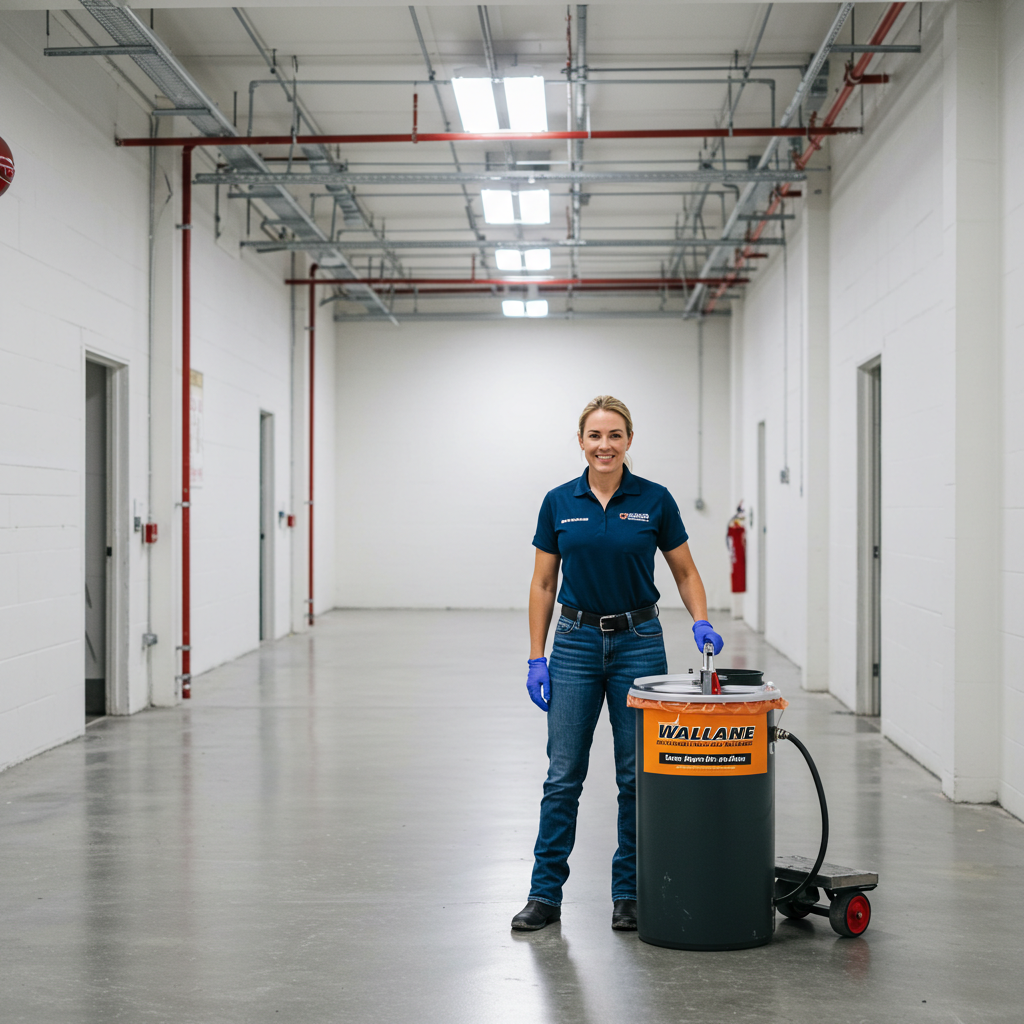
Unlock Unbeatable Durability: Advanced Surface Prep for Epoxy Floors in Tampa
Why is Professional Subfloor Preparation Paramount for Lasting Epoxy Floors in Tampa?
Epoxy flooring is celebrated for its incredible durability, aesthetic versatility, and ease of maintenance. However, the true strength and longevity of any epoxy system in Tampa, whether in a garage, commercial space, or industrial facility, hinges almost entirely on the quality of its subfloor preparation. Think of it as the foundation of a skyscraper – no matter how well-built the upper levels are, a weak foundation will lead to structural failure.
Concrete, the most common subfloor for epoxy, is a porous material that can absorb various contaminants, oils, greases, and sealers over time. It also naturally contains moisture. Without proper preparation, these elements can act as bond breakers, preventing the epoxy from adhering fully and creating a weak point that will eventually lead to peeling, blistering, or delamination. In a humid climate like Tampa's, where moisture is a constant factor, neglecting this crucial stage is an open invitation for costly floor failures. Professionals understand the science of adhesion, ensuring that the concrete's surface is not just clean, but also properly profiled to receive the epoxy system, creating a mechanical bond that truly lasts.
What Advanced Mechanical Techniques Guarantee Superior Adhesion for Your Tampa Epoxy Floor?
Gone are the days when a simple acid wash was considered adequate for epoxy preparation. While some might still recommend it for DIY projects, professional epoxy flooring installers in Tampa rely on advanced mechanical preparation methods to guarantee superior adhesion. These methods are designed to remove contaminants, open up the concrete's pores, and create an ideal concrete surface profile (CSP) that allows the epoxy to truly grip the substrate.
- Diamond Grinding: This is the most common and effective method for residential and light commercial projects. High-speed diamond grinders use abrasive discs to mechanically abrade the top layer of concrete. This process effectively removes old coatings, sealers, and surface imperfections, while simultaneously creating a roughened, textured surface (often compared to 80-grit sandpaper) that maximizes the epoxy's mechanical bond. It's precise, dust-controlled (when coupled with industrial vacuums), and creates a clean, sound surface.
- Shot Blasting: For larger commercial or industrial applications, shot blasting might be employed. This method involves propelling small steel shot at high velocity onto the concrete surface. The impact cleans and profiles the concrete much more aggressively than grinding, making it ideal for very heavily contaminated surfaces or when a deeper profile is required. It's highly efficient for large areas and provides an excellent, uniform surface for heavy-duty epoxy systems.
- Scarifying: In extreme cases, where very thick coatings or heavily damaged concrete needs removal, scarifying machines are used. These machines utilize rotating multi-tipped cutters to chip away at the concrete surface, creating a very aggressive profile. This is typically reserved for industrial settings where maximum adhesion for thick, high-build systems is paramount.
Each of these techniques, unlike acid etching, physically removes a thin layer of the concrete, ensuring that the epoxy bonds to fresh, structurally sound material, rather than just a superficial layer. This deep preparation is critical for an epoxy floor that can withstand the demands of heavy traffic, chemical spills, and the test of time in Tampa.
How Does Tampa's Climate Influence Epoxy Surface Preparation and Curing Success?
Tampa's subtropical climate, characterized by high temperatures and even higher humidity, poses unique challenges for epoxy flooring installation that demand specialized attention during preparation and curing. Ignoring these environmental factors can compromise the entire flooring system.
- Moisture Mitigation: High ambient humidity means that concrete slabs are more prone to elevated moisture vapor transmission (MVT). Excess moisture trapped beneath an epoxy coating is a leading cause of bubbling, delamination, and adhesion failure. Professional installers in Tampa conduct rigorous moisture testing, often using both calcium chloride tests and relative humidity (RH) probes, to accurately assess the slab's moisture content. If MVT is above acceptable limits, a specialized moisture vapor barrier primer must be applied as part of the preparation process. This critical step seals the concrete, preventing moisture from negatively affecting the epoxy bond.
- Temperature Control: Epoxy resins have specific temperature ranges for optimal application and curing. In Tampa's heat, installers must ensure that the concrete surface temperature and ambient air temperature are within the manufacturer's recommended guidelines. Applying epoxy in excessively hot conditions can lead to accelerated curing, reducing working time and potentially causing defects like cracking or a compromised finish. Conversely, cooler temperatures (though less common in Tampa) can slow curing, impacting final hardness and durability.
- Ventilation: Proper ventilation is crucial during both preparation (to manage dust from grinding) and during application and curing of epoxy. It helps dissipate fumes and allows for a more controlled drying and curing environment, especially important in humid conditions where stagnant air can prolong cure times and potentially trap moisture.
Understanding and proactively managing these climatic variables is a hallmark of professional epoxy installation in Tampa, distinguishing long-lasting floors from those prone to premature failure.
What Are the Critical Consequences of Cutting Corners on Epoxy Floor Prep in Tampa?
The temptation to cut costs or save time by rushing or skipping vital steps in surface preparation is a common pitfall for inexperienced installers or DIY enthusiasts. However, the consequences of inadequate prep for your Tampa epoxy floor can be severe, leading to significant financial losses and ongoing frustration.
- Delamination and Peeling: This is the most prevalent and visible sign of poor preparation. If the epoxy doesn't properly adhere to the concrete, it will lift and peel away, often starting at edges or high-traffic areas. This exposes the concrete beneath and undermines the entire floor's protective qualities.
- Bubbling and Blistering: Trapped moisture or air in the concrete, exacerbated by Tampa's humidity, can cause bubbles or blisters to form beneath the cured epoxy. These imperfections are not only unsightly but also indicate a weak bond and potential for future failure.
- Reduced Durability and Lifespan: A poorly prepared floor will never achieve the legendary durability epoxy is known for. It will be more susceptible to scratches, abrasions, and chemical damage, significantly shortening its lifespan and requiring costly repairs or premature replacement.
- Unsightly Finish: Uneven or improperly profiled concrete can lead to an inconsistent finish, where some areas appear dull or textured differently than others. Any remaining contaminants or old coatings can also show through the new epoxy, detracting from its aesthetic appeal.
- Costly Remediation: Fixing a failed epoxy floor due to poor preparation typically involves grinding off the existing epoxy, re-preparing the concrete from scratch, and then re-applying the new system. This process is far more expensive and time-consuming than doing it right the first time.
Investing in thorough, professional surface preparation is an investment in the long-term success and integrity of your epoxy floor.
Why is Expert Surface Assessment Key to a Flawless Epoxy Installation in Tampa?
A flawless epoxy installation in Tampa begins long before the first drop of resin is mixed. It starts with a comprehensive and expert assessment of the existing subfloor. This critical diagnostic phase allows seasoned professionals to identify potential issues and tailor the preparation strategy specifically to your property's needs, ensuring a perfect canvas for your new epoxy floor.
An experienced epoxy professional will meticulously examine several factors:
- Concrete Condition: They'll look for existing cracks, spalls, pitting, and unevenness. All these imperfections must be properly repaired and leveled before epoxy application.
- Contamination Levels: Identification of oils, greases, paints, sealers, glues, or other residues is crucial. Different contaminants require different removal methods to ensure they won't interfere with adhesion.
- Moisture Content: As discussed, this is paramount in Tampa. Professionals use specialized tools to get accurate readings and plan for appropriate moisture mitigation if needed.
- Previous Coatings: If there are existing coatings, the installer will determine their type and integrity to decide the best removal and profiling method.
- Substrate Type: Understanding the type of concrete (e.g., new vs. old, poured vs. slab) can influence the preparation techniques and the choice of primer.
This detailed assessment isn't just about identifying problems; it's about developing a strategic plan. It ensures that the correct mechanical preparation methods are used, appropriate primers are selected, and potential issues like moisture are addressed proactively. This expert-level due diligence is what guarantees a durable, beautiful, and long-lasting epoxy floor that truly stands up to Tampa's climate and your specific demands.
Don't leave the longevity and appearance of your epoxy floor to chance. At Tampa Epoxy Flooring Pros, we understand that exceptional epoxy flooring begins with superior surface preparation. Our team of skilled technicians utilizes advanced mechanical techniques and thorough moisture assessment, tailored specifically for Tampa's unique environmental conditions. We ensure every subfloor is perfectly profiled and ready, guaranteeing maximum adhesion and a flawless, enduring finish for your investment. Contact Tampa Epoxy Flooring Pros today for a professional consultation and experience the difference that expert preparation makes.
Need Professional Assistance?
Get a free, no-obligation estimate from our expert local team today.