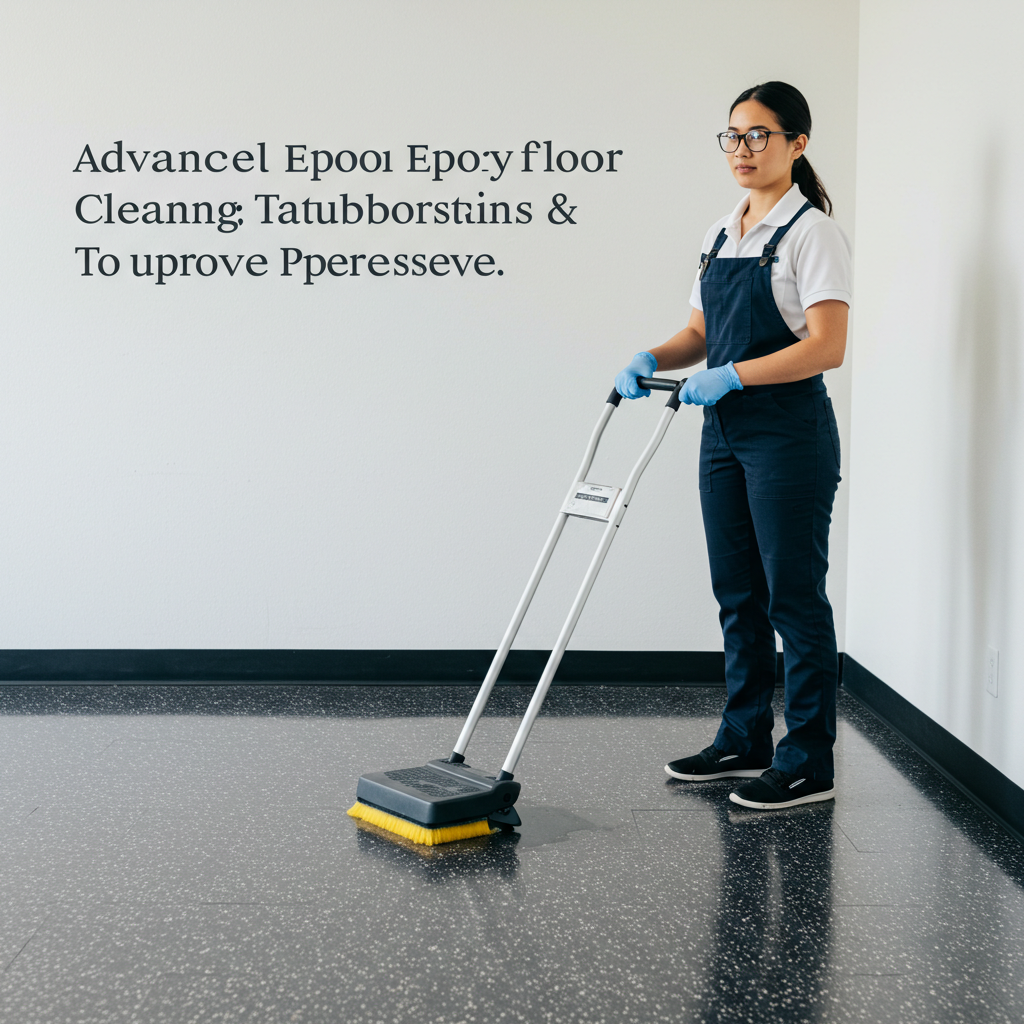
Advanced Epoxy Floor Cleaning in Tampa: Tackle Stubborn Stains & Preserve Shine
What Are the Best Routine Cleaning Practices for Tampa Epoxy Floors?
Maintaining the pristine appearance and longevity of your epoxy floors in Tampa doesn't require extensive effort, but consistency is key. Routine cleaning prevents the build-up of dirt, grime, and debris that can, over time, scratch the surface or become embedded, making deeper cleaning more challenging. Given Tampa's often humid and sandy environment, a proactive approach is particularly beneficial.
- Daily or Weekly Sweeping/Dust Mopping: The most fundamental step is to remove loose dirt, dust, and sand. Fine grit, especially prevalent in sandy Florida, can act like sandpaper underfoot, gradually dulling your epoxy's glossy finish. A soft-bristle broom or a dust mop with a microfiber head is ideal. Avoid stiff bristle brushes that could potentially scratch the surface.
- Regular Damp Mopping: For a deeper clean, damp mopping is recommended at least once a week, or more frequently in high-traffic areas.
- Prepare Your Solution: Mix warm water with a pH-neutral cleaner. Many household cleaners contain acids, alkalis, or harsh chemicals that can break down the epoxy coating over time, leading to dullness or discoloration. Always opt for cleaners specifically labeled as pH-neutral or those designed for sealed floors.
- Mop with Care: Use a microfiber mop. Microfiber is highly effective at trapping dirt without excessive water. Avoid saturating the floor; excess water can seep into cracks or under the epoxy if not properly sealed, leading to moisture issues.
- Rinse (Optional but Recommended): For large areas or if your initial cleaning solution was slightly sudsy, a second pass with just clean water can help remove any residual cleaner, preventing streaks or sticky residues.
- Address Spills Immediately: The non-porous nature of epoxy makes it highly resistant to stains, but immediate cleanup of spills, especially acidic or oily substances, is always the best practice. Use a paper towel or cloth to blot the spill, then clean the area with a mild soap and water solution.
Adhering to these routine practices will significantly extend the life and beauty of your epoxy flooring, keeping it vibrant and protected against the rigors of daily use in the Tampa climate.
How to Tackle Stubborn Stains on Your Epoxy Floor in Tampa?
Even with diligent routine cleaning, stubborn stains can sometimes appear on epoxy floors. The key to successful stain removal without damaging the finish is to use the right approach for the type of stain. Tampa homes and businesses often deal with unique challenges, from automotive fluids in garages to food spills in kitchens. Here’s how to address common tough stains:
- Grease, Oil, and Automotive Fluids:
These are common in garages and workshops. For fresh spills, blot immediately with paper towels. For dried or tougher stains:
- Mild Degreaser: Apply a small amount of a diluted, pH-neutral degreaser directly to the stain.
- Gentle Agitation: Use a soft-bristle brush or sponge to gently scrub the stain. Avoid abrasive pads like steel wool, which can scratch the epoxy.
- Rinse Thoroughly: Wipe the area clean with a damp cloth, then dry completely. Residual degreaser can leave a slick film.
- Tire Marks (Hot Tire Pickup):
This is a common issue in garages, where hot tires from vehicles can leave dark marks. These aren't true stains but rather rubber residue.
- Soapy Water & Scrub: Often, a simple mixture of warm water and a mild dish soap with a soft-bristle brush is enough.
- Mild Abrasive Cleaner (Use Caution): For very stubborn marks, a small amount of a non-abrasive household cleaner like a powdered detergent (e.g., Borax, Comet for mild abrasion, but test in an inconspicuous area first) mixed into a paste with water can work. Scrub gently, then rinse thoroughly. The goal is to lift the rubber, not scour the epoxy.
- Rust Stains:
From metal furniture or tools left on the floor.
- Rust Remover for Concrete/Epoxy: Use a rust remover specifically designed for sealed concrete or epoxy floors. These are typically non-acidic formulas.
- Follow Instructions: Apply according to product directions, usually involving application, dwell time, and gentle scrubbing.
- Rinse and Dry: Always rinse the area thoroughly to remove all product residue.
- Paint Spills:
Fresh paint spills should be wiped immediately. For dried paint, the approach depends on the type of paint.
- Latex Paint: Often can be scraped off gently with a plastic scraper (not metal!) or softened with warm soapy water and scrubbed.
- Oil-Based Paint: May require a small amount of mineral spirits or denatured alcohol on a cloth. Apply sparingly to the stain only, gently wipe, and then immediately clean the area with soap and water to remove solvent residue. Always test in an inconspicuous area first.
- Food and Drink Stains:
Most food and drink stains wipe up easily. For dried-on or sugary residues:
- Use warm water and a pH-neutral cleaner. A plastic scraper can help lift dried-on debris.
Always remember to test any new cleaning solution or method in an inconspicuous area first to ensure it doesn't adversely affect your specific epoxy coating. Prompt action and the right technique are your best allies against stubborn stains.
Which Cleaning Products and Tools Are Safe for Epoxy Floors?
The integrity and appearance of your epoxy floors in Tampa largely depend on using the correct cleaning agents and tools. Choosing the wrong product can degrade the epoxy, leading to dullness, etching, or even structural damage over time. Understanding what's safe and what to avoid is crucial for long-term maintenance.
Safe Cleaning Products:
- pH-Neutral Cleaners: This is the golden rule. Look for products labeled
Need Professional Assistance?
Get a free, no-obligation estimate from our expert local team today.