Uncovering Common Epoxy Floor Problems in Tampa: Solutions & Prevention
Epoxy flooring problems in Tampa, FL, often stem from high humidity, improper installation, or heavy traffic, leading to issues like delamination, cracking, or discoloration. Addressing these promptly with professional solutions, such as patching, recoating, or full replacement, is crucial to maintain your floor's integrity and aesthetic appeal, preventing further damage and costly repairs.
Epoxy floors are renowned for their durability, aesthetics, and resistance to wear, making them a popular choice for homes and businesses throughout Tampa, Florida. However, even the toughest floors can encounter issues over time, especially when exposed to the unique environmental factors of the Gulf Coast. Recognizing these problems early and understanding their causes is key to ensuring your epoxy floor lasts for decades. Tampa Epoxy Flooring Pros provides expert insights into common epoxy floor problems and offers professional solutions tailored for our local climate.
What Are the Most Common Epoxy Floor Problems in Tampa?
While epoxy floors are incredibly resilient, certain issues can arise due to various factors. Understanding these helps homeowners and business owners identify potential problems before they escalate:
- Peeling or Delamination: This occurs when the epoxy coating separates from the concrete substrate. In Tampa, high humidity during installation or improper surface preparation (like not removing existing sealers or contaminants) are frequent culprits. Moisture vapor transmission from the slab can also cause this.
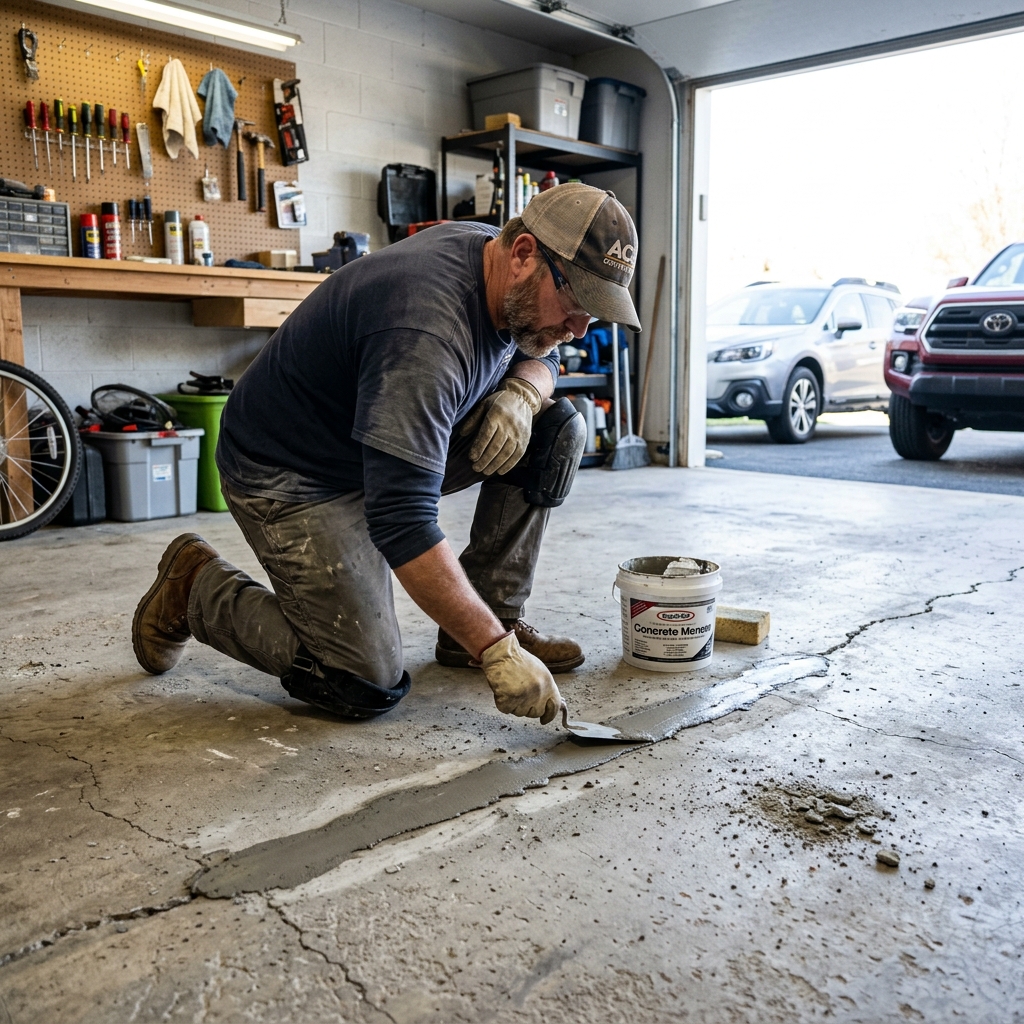
- Cracking: While epoxy is flexible, significant concrete movement beneath can lead to cracks in the coating. This might be due to structural shifts, heavy impacts, or thermal expansion/contraction of the concrete.
- Bubbling or Blistering: Small bubbles or blisters can appear if the epoxy is applied over a damp surface, or if moisture vapor tries to escape from the concrete after the epoxy has been applied. Rapid curing in hot, humid conditions can also trap air.
- Discoloration or Fading: UV exposure, especially in bright Florida sun, can cause some epoxy formulations to yellow or fade over time. Chemical spills or prolonged contact with certain substances can also lead to discoloration.
- Scratches and Abrasions: Although highly durable, heavy traffic, dragging sharp objects, or abrasive dirt can cause surface scratches, dulling the floor's sheen.
- Dulling or Lack of Shine: Over time, wear and tear, improper cleaning products, or the breakdown of a topcoat can lead to a loss of the epoxy's characteristic gloss.
How Does Tampa's Climate Impact Epoxy Flooring?
Tampa's subtropical climate, characterized by high humidity and intense UV radiation, poses unique challenges for epoxy flooring. These regional factors must be considered during both installation and maintenance to ensure longevity.
Humidity: The consistent high humidity in Tampa significantly impacts epoxy installation. If the concrete slab isn't properly tested for moisture content, or if the epoxy is applied during periods of extreme humidity without proper atmospheric control, moisture can get trapped, leading to bubbling, blistering, and delamination. Professional installers like Tampa Epoxy Flooring Pros utilize specialized moisture mitigation techniques and carefully monitor environmental conditions to prevent these issues.
UV Exposure: Direct and prolonged exposure to Florida's intense sun can cause certain types of epoxy to yellow or fade. While many modern epoxy systems include UV inhibitors, understanding the level of sun exposure in an area (e.g., south-facing garage doors, outdoor patios) is crucial for selecting the right UV-stable topcoat. This ensures your floor maintains its vibrant color and finish for years to come, whether you're in the heart of Tampa or the neighboring community of Brandon.
Temperature Fluctuations: While less dramatic than in other regions, Tampa still experiences temperature shifts that can cause concrete slabs to expand and contract. This movement, if not accounted for with proper crack repair and joint treatment before epoxy application, can lead to cracking in the epoxy coating itself.
When Should You Consider Epoxy Floor Repair vs. Full Replacement?
Deciding between repairing a damaged section of your epoxy floor or undertaking a full replacement depends on the extent and nature of the damage. Making the right choice can save you significant time and money.
- Repair When:
- Damage is localized and small (e.g., a few small cracks, minor peeling in an isolated area, surface scratches).
- The underlying concrete is stable and sound.
- The current epoxy coating is still largely intact and well-adhered in other areas.
- A seamless match can be achieved with the existing color and finish.
- Replace When:
- Damage is widespread (e.g., extensive delamination across a large percentage of the floor, numerous deep cracks).
- The concrete substrate is severely compromised (e.g., significant moisture issues, structural cracks).
- The existing coating is failing extensively due to poor installation or material breakdown.
- You desire a complete aesthetic change or an upgrade to a more advanced epoxy system.
For an accurate assessment and recommendation, it's always best to consult with a local epoxy flooring specialist. They can evaluate the damage, provide cost estimates for both options, and help you make an informed decision for your specific property in Tampa or even in Temple Terrace.
What to Expect During a Professional Epoxy Floor Inspection in Tampa?
When you call Tampa Epoxy Flooring Pros for an inspection, you can expect a thorough, systematic approach designed to accurately diagnose any issues and recommend the best course of action.
- Initial Consultation: Our technician will discuss your concerns, observe the floor, and gather information about its history, age, and typical usage.
- Visual Assessment: A detailed visual inspection will identify visible damage like cracks, peeling, bubbles, or discoloration. The technician will note the location and severity of each issue.
- Moisture Testing: Given Tampa's climate, moisture testing is critical. We use specialized equipment, such as concrete moisture meters and calcium chloride tests, to determine the moisture content within the slab. High moisture levels are often the root cause of many epoxy failures.
- Adhesion Testing: For areas with suspected delamination, adhesion tests might be performed to determine how well the existing epoxy is bonded to the concrete.
- Substrate Analysis: The underlying concrete will be inspected for structural integrity, cracks, pitting, or previous coatings that might be impacting the epoxy.
- Detailed Report & Recommendations: Following the inspection, you'll receive a comprehensive report outlining our findings, the probable causes of any issues, and a clear, itemized proposal for repair or replacement options, including estimated costs and timelines. We'll answer all your questions and help you understand the best path forward.
How Can You Prevent Epoxy Floor Issues and Extend Its Lifespan?
Proactive care and proper maintenance are crucial for maximizing the life of your epoxy floor and preventing common problems.
Proper Installation is Paramount: The most significant factor in preventing future problems is professional installation. This includes meticulous surface preparation (grinding, cleaning, repairing cracks), proper moisture testing and mitigation, and applying the correct epoxy system for your specific needs and environment.
Regular Cleaning: Sweep or vacuum regularly to remove abrasive dirt and debris. Mop with a soft cloth and a mild, pH-neutral cleaner. Avoid harsh chemicals, acidic cleaners, or abrasive scrubbing pads, which can dull or damage the epoxy surface.
Prompt Spill Cleanup: Immediately clean up spills, especially chemicals, oil, or acidic substances, to prevent staining or etching of the epoxy. While epoxy is resistant, prolonged exposure can still cause issues.
Use Floor Protection: For heavy furniture or equipment, use felt pads or protective mats to prevent scratches and dents. Avoid dragging heavy or sharp objects directly across the floor.
Consider a UV-Stable Topcoat: If your floor is exposed to direct sunlight, ensure a UV-stable topcoat was applied during installation to prevent yellowing and fading.
Address Issues Early: Don't wait for small problems to become big ones. If you notice minor cracks, peeling, or dulling, contact a professional for advice and potential early intervention.
Protect Your Investment with Tampa Epoxy Flooring Pros
Your epoxy floor is a significant investment that provides lasting beauty and functionality. By understanding common problems, recognizing their causes, and implementing preventative measures, you can ensure its longevity. When issues arise, trust the local experts at Tampa Epoxy Flooring Pros to provide accurate diagnostics and effective solutions. Don't let minor floor problems become major headaches. If you're experiencing any issues with your epoxy floor in Tampa, FL, or surrounding areas like University Square, or need a professional assessment, contact us today for a free consultation. We're here to help you maintain a flawless, durable, and beautiful epoxy floor for years to come.
Need Professional Assistance?
Get a free, no-obligation estimate from our expert local team today.