Tampa Epoxy Floor Damage? Expert Solutions & Repair Guide
Experiencing damage to your epoxy floor in Tampa, FL, requires prompt, professional attention to prevent further deterioration and protect your investment. Whether it's unsightly cracks, bubbling, or peeling, these issues often stem from environmental factors unique to our humid climate or improper installation. Immediate assessment by a local epoxy specialist is crucial for determining the best repair strategy, ensuring longevity and maintaining aesthetic appeal.
Epoxy flooring is celebrated for its durability, aesthetic appeal, and easy maintenance, making it a popular choice for homes and businesses across Tampa. However, even the toughest floors can show signs of wear and tear over time. In a city like Tampa, with its high humidity, intense sun exposure, and sometimes unstable ground conditions, epoxy floors face unique challenges. Understanding the common types of damage, their causes, and when to seek professional repair is key to preserving your floor's integrity and appearance.
What Are Common Types of Epoxy Floor Damage in Tampa, FL?
While epoxy floors are robust, various forms of damage can occur. Identifying these issues early can save you from more extensive and costly repairs down the line. Here are the most frequently encountered problems in Tampa:
- Cracks: Hairline cracks can develop due to minor substrate movement, while larger, deeper cracks might indicate structural issues in the concrete slab beneath. In Tampa, shifting soils or prolonged heavy loads can contribute to slab movement.
- Peeling or Delamination: This occurs when the epoxy coating separates from the concrete substrate. Common causes include insufficient surface preparation (e.g., not properly cleaning or profiling the concrete), moisture trapped beneath the coating, or incompatibility between coating layers. Tampa's high humidity makes proper moisture mitigation critical during installation.
- Bubbling or Blistering: Small, raised bumps on the epoxy surface are typically caused by outgassing from the concrete (air escaping as the epoxy cures), moisture vapor transmission, or rapid temperature changes during application. This is particularly prevalent in warm, humid climates like ours if proper environmental controls aren't maintained during curing.
- Discoloration or Fading: While epoxy is generally color-stable, prolonged exposure to UV rays (especially in sun-drenched areas of Tampa) or certain chemical spills can lead to yellowing or fading of the topcoat.
- Scratches and Abrasion: Despite its hardness, heavy traffic, dragging sharp objects, or abrasive cleaning methods can cause surface scratches and dull the finish over time.
Can My Damaged Epoxy Floor Be Repaired, or Does It Need Replacement?
The decision to repair or replace depends on the type, extent, and underlying cause of the damage. A professional assessment is vital to make an informed choice.
Minor Repairs:
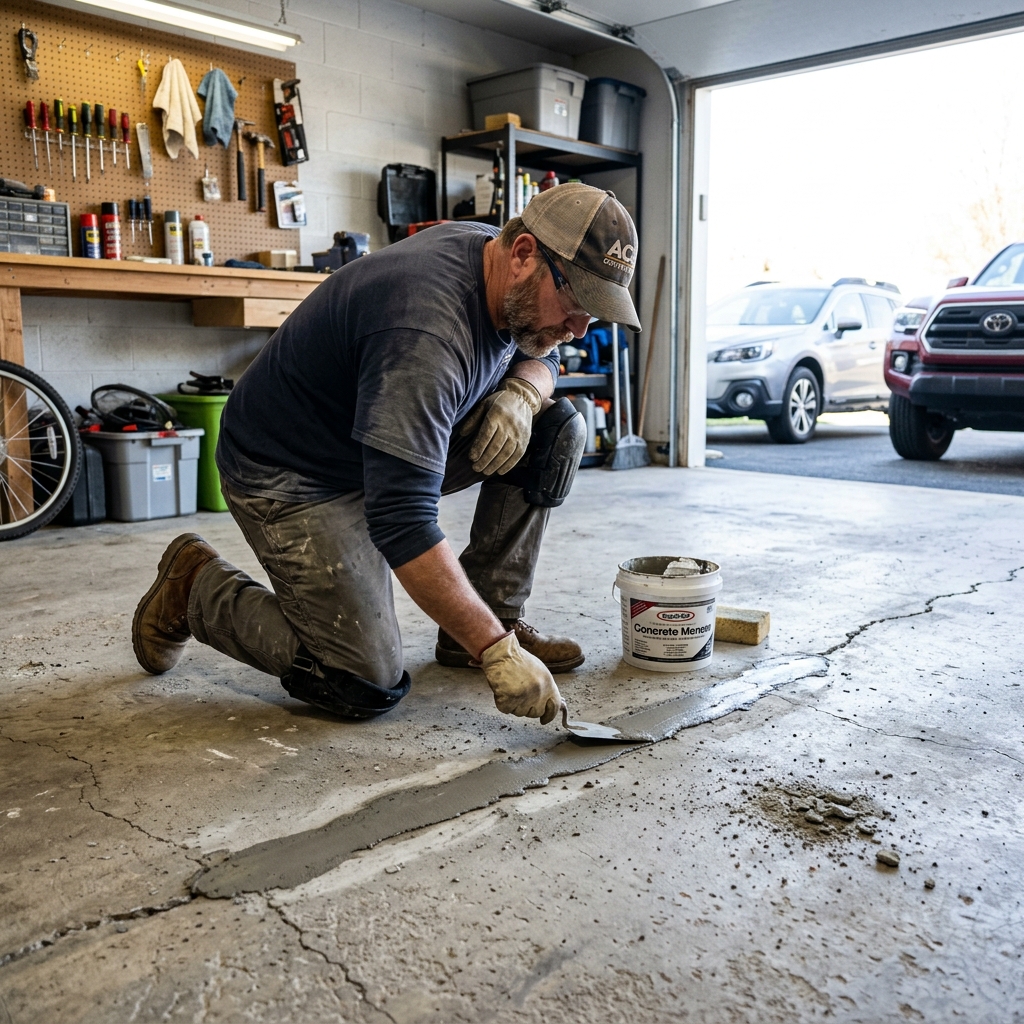
- Small Cracks and Chips: These can often be filled with specialized epoxy patching compounds, sanded smooth, and then recoated with a fresh layer of epoxy.
- Minor Peeling/Delamination: If peeling is localized and not due to widespread moisture issues, the affected area can be carefully removed, the substrate re-prepped, and a new layer of epoxy applied, seamlessly blended with the existing floor.
- Surface Scratches: Light scratches can sometimes be buffed out or covered with a new clear topcoat, restoring the floor's luster.
When Replacement Might Be Necessary:
- Widespread Delamination: If large sections of the epoxy are peeling, especially due to significant moisture vapor transmission from the slab, a full removal and reinstallation, often with a robust moisture barrier system, is recommended.
- Extensive Cracking: Deep, structural cracks in the concrete that have compromised the epoxy's integrity may require concrete repair before a new epoxy system can be applied.
- Severe Chemical Damage or Contamination: If the epoxy has been severely compromised by harsh chemicals or the concrete beneath is heavily contaminated, a complete overhaul might be the safest and most effective solution.
For expert guidance on whether to repair or replace your epoxy floor, even if you are in surrounding communities like Wesley Chapel, our team can provide a thorough evaluation.
What Causes Epoxy Floor Damage, Especially in Tampa's Climate?
Understanding the root causes helps prevent future issues and informs effective repair strategies:
- Improper Surface Preparation: This is arguably the most common culprit. If the concrete isn't properly cleaned, profiled (e.g., mechanically ground or acid-etched), and free of contaminants (oil, grease, sealers) before epoxy application, the coating won't adhere correctly, leading to peeling and delamination.
- Moisture Vapor Transmission (MVT): Tampa's high water table and humid climate mean concrete slabs are prone to emitting moisture vapor. If this vapor gets trapped beneath a non-breathable epoxy coating, it can create hydrostatic pressure, leading to bubbles, blisters, and delamination. Proper moisture testing and mitigation are essential.
- Substrate Imperfections: Existing cracks, unevenness, or weak spots in the concrete slab can telegraph through the epoxy over time, causing cracking and failure in the coating itself.
- UV Exposure: Many standard epoxy formulations are not resistant to UV radiation. In sunny areas of Tampa, direct sunlight can cause the epoxy to chalk, yellow, or fade, losing its aesthetic appeal and structural integrity.
- Chemical Exposure: While epoxy is chemical resistant, certain harsh chemicals or prolonged exposure to strong solvents can degrade the coating, leading to softening, discoloration, or etching.
- Temperature Fluctuations: Rapid or extreme temperature changes during application or curing can affect the epoxy's ability to cure properly, potentially leading to a compromised finish or reduced durability.
What Should I Expect During a Professional Epoxy Floor Inspection & Repair?
When you call Tampa Epoxy Flooring Pros, you can expect a comprehensive and professional approach to diagnosing and resolving your floor's issues:
- Initial Consultation & Site Visit: We'll discuss your concerns, assess the affected areas, and gather information about your floor's history and usage.
- Thorough Inspection & Testing: Our specialists will conduct a detailed inspection, including:
- Moisture Testing: Using advanced meters to check for moisture vapor transmission (MVT) in the concrete slab, a critical step in Tampa's climate.
- Adhesion Testing: Sometimes performed to determine the bond strength of the existing epoxy.
- Substrate Evaluation: Checking for cracks, spalling, and other concrete deficiencies.
- Detailed Damage Assessment & Repair Plan: Based on our findings, we'll provide a transparent explanation of the damage, its likely cause, and a tailored repair plan. This will include options, estimated costs, and timelines.
- Surface Preparation: This is a crucial step. Depending on the damage, it may involve grinding, shot-blasting, or diamond polishing the concrete to create an ideal profile for new epoxy adhesion. All contaminants will be thoroughly removed.
- Targeted Repair Application: Our skilled technicians will apply the appropriate repair materials, whether it's crack filling with specialized resins, patching delaminated areas, or applying new primer and epoxy layers to match the existing floor.
- Curing and Finishing: We ensure proper curing times are observed for maximum durability and apply any necessary topcoats to achieve the desired finish and protection.
Our commitment to quality service extends throughout the Tampa Bay area, including neighborhoods like Lutz, ensuring your epoxy flooring receives the best care.
Protecting Your Investment: Preventative Tips for Tampa Epoxy Floors
While professional repair is essential, some proactive measures can help extend the life of your epoxy floor and minimize future damage:
- Regular Cleaning: Sweep or vacuum regularly to remove abrasive dirt and grit. Mop with a mild, pH-neutral cleaner.
- Prompt Spill Cleanup: Immediately wipe up spills, especially harsh chemicals, to prevent staining or etching.
- Use Mats in High-Traffic Areas: Place mats at entryways or under heavy equipment to reduce impact and abrasion.
- Address Moisture Issues: Ensure proper drainage around your property and address any sources of excessive moisture that could affect your slab.
- Avoid Dragging Heavy Objects: Lift rather than drag furniture or heavy items to prevent scratches.
- Periodic Professional Inspections: Consider a professional inspection every few years to catch minor issues before they escalate.
Don't let damaged epoxy flooring diminish the beauty and functionality of your Tampa property. Whether you're dealing with minor cosmetic flaws or more significant structural concerns, the experienced team at Tampa Epoxy Flooring Pros is ready to provide expert diagnosis and durable repair solutions. We understand the unique challenges of our local climate and utilize industry-leading techniques and materials to restore your floor to its optimal condition. Contact us today for a consultation and let us help you protect your epoxy flooring investment.
Need Professional Assistance?
Get a free, no-obligation estimate from our expert local team today.