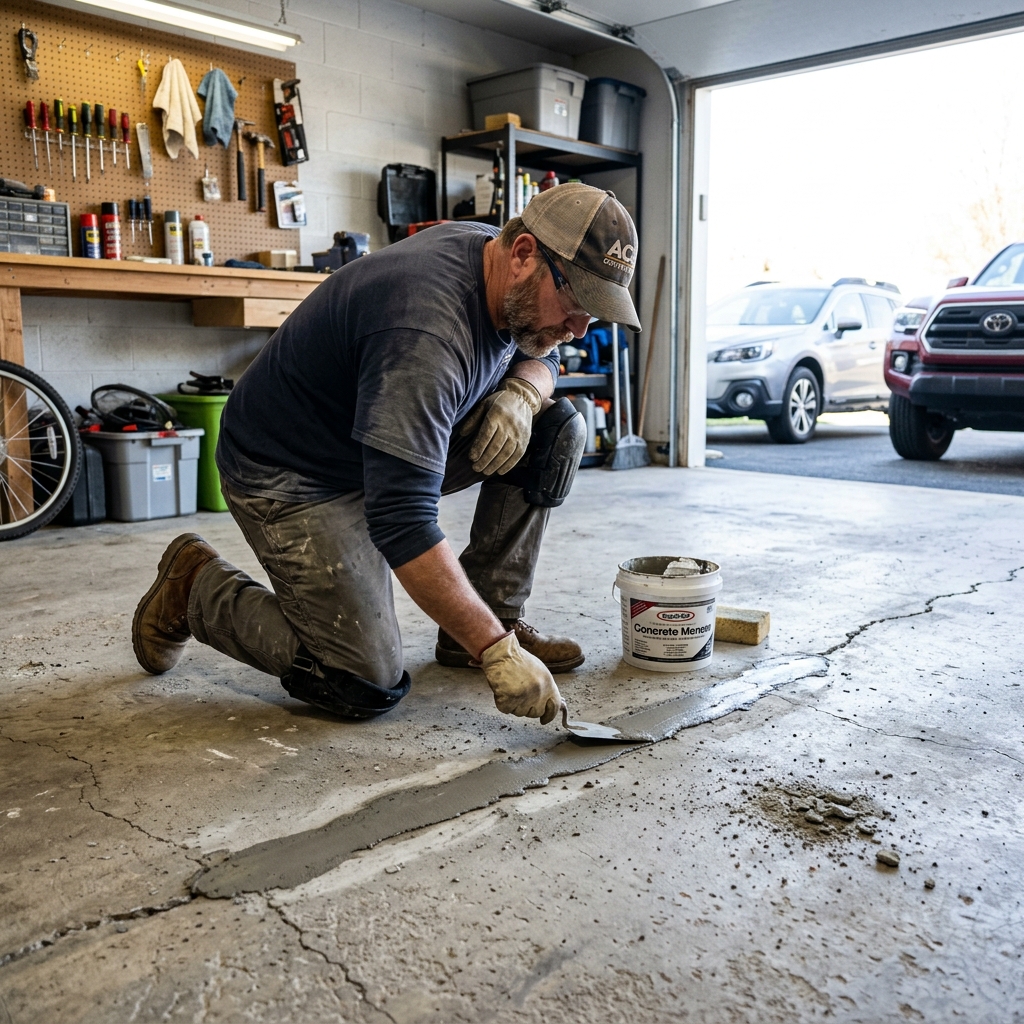
Restore Your Floors: Expert Epoxy Repair Solutions for Tampa Homes & Businesses
When your epoxy floor in Tampa shows signs of damage like cracking, peeling, or bubbling, immediate professional assessment is crucial to prevent further deterioration and costly replacements. Expert repair addresses structural integrity, aesthetic appeal, and extends the lifespan of your flooring, maintaining a safe and attractive environment for your home or business.
Epoxy flooring is a popular choice across Tampa, FL, from bustling commercial spaces to residential garages, thanks to its durability, aesthetics, and resistance to chemicals and abrasions. However, even the toughest floors can face challenges. High humidity, intense Florida heat, heavy foot traffic, and improper initial installation can all contribute to various forms of damage. Understanding these common problems and knowing when to call a professional is key to preserving your investment.
What Are the Most Common Epoxy Floor Problems in Tampa, FL?
Our experienced technicians at Tampa Epoxy Flooring Pros frequently encounter several issues specific to the Tampa Bay area's climate and usage patterns. Identifying these problems early can save you time and money:
- Delamination or Peeling: This is perhaps the most frustrating issue. It occurs when the epoxy coating separates from the concrete substrate. In Tampa, this is often due to poor surface preparation, moisture vapor transmission (MVT) from the concrete slab, or incompatible primers. High humidity can exacerbate MVT issues if not properly mitigated during installation.
- Cracking: While epoxy is flexible, significant subfloor movement, extreme temperature fluctuations, or heavy impacts can cause cracks to appear. These cracks can range from hairline fractures to more substantial fissures that compromise the floor's integrity and appearance.
- Bubbling or Blistering: Small bubbles or larger blisters forming on the surface are typically caused by trapped air, moisture, or outgassing from the concrete during the curing process. Tampa's high humidity and rapid temperature changes can increase the likelihood of these issues if installation conditions aren't perfectly controlled.
- Discoloration or Yellowing: Exposure to UV light (common in sun-drenched Florida garages or workshops) can cause some epoxy formulations to yellow over time. Chemical spills, especially harsh ones, can also lead to staining or fading.
- Abrasion and Wear: Heavy foot traffic, dragging equipment, or repeated impacts can cause the epoxy to scratch, scuff, or wear thin, especially in high-traffic areas of commercial and industrial settings.
Identifying Urgent Signs: When to Call a Professional for Epoxy Repair in Tampa
While minor scuffs might be cosmetic, certain signs indicate a deeper problem that requires immediate professional attention. Delaying repairs can lead to more extensive damage and a higher cost to fix or replace. Here's what to look out for:
- Widespread Peeling or Flaking: If large sections of your epoxy are lifting from the concrete, it's a critical adhesion failure. This won't self-correct and will only worsen, potentially leading to trip hazards.
- Deep, Expanding Cracks: Cracks that are wider than a credit card or appear to be growing indicate significant structural stress. These need to be addressed promptly to prevent moisture ingress and further subfloor damage.
- Persistent Bubbling After Curing: While some minor bubbles during curing are normal, if blisters appear weeks or months later, it suggests ongoing moisture issues within the slab that must be professionally diagnosed.
- Compromised Slip Resistance: If your previously textured or slip-resistant epoxy floor feels slick or worn smooth in high-traffic areas, it poses a safety risk, especially in commercial kitchens or workshops.
- Chemical Damage or Stains: If your epoxy has been compromised by harsh chemicals, leaving behind etched or discolored areas, its protective barrier may be weakened, requiring immediate restoration.
The Professional Epoxy Repair Process: What to Expect from Tampa Experts
When you contact Tampa Epoxy Flooring Pros for an epoxy floor repair, you can expect a systematic and professional approach designed to restore your floor's integrity and appearance:
- Thorough Inspection and Assessment: Our first step is always a detailed on-site inspection. We identify the root cause of the damage, whether it's substrate issues, material failure, or environmental factors. This diagnosis is crucial for recommending the correct repair strategy.
- Surface Preparation: This is perhaps the most critical step. Depending on the damage, it may involve grinding, sanding, shot blasting, or diamond tooling to remove compromised epoxy and prepare the concrete for new adhesion. Any cracks or pits in the concrete are filled and leveled.
- Moisture Mitigation (If Needed): If moisture vapor transmission is identified as the culprit, we apply specialized moisture barrier primers to prevent future delamination. This is a common and vital step for many concrete slabs in humid climates like Tampa's.
- Material Selection and Application: We use high-quality, commercial-grade epoxy resins and hardeners, precisely matched to your existing flooring where possible, or chosen for superior performance. For localized repairs, we carefully blend and apply new epoxy to seamlessly integrate with the surrounding floor.
- Curing and Finishing: Proper curing time is essential for optimal durability. We'll provide clear instructions on cure times and when the floor can be returned to service. For extensive repairs, a new topcoat may be applied for enhanced protection and aesthetics. Whether your commercial property is in a high-traffic zone like Westshore, or your residential garage in Plant City, our local expertise ensures a precise and durable repair.
Repair vs. Replace: Making the Right Decision for Your Tampa Epoxy Floor
One of the biggest questions homeowners and business owners face is whether to repair existing epoxy or opt for a full replacement. Our experts can help you make an informed decision based on several factors:
- Extent of Damage: Small, localized issues like minor cracks or isolated peeling are generally good candidates for repair. Widespread delamination, significant substrate damage, or a completely worn-out surface might lean towards replacement.
- Cost-Effectiveness: Repairs are almost always more cost-effective than a full replacement. However, if the underlying issues are severe or recurrent, a replacement might offer better long-term value.
- Age of the Floor: If your epoxy floor is nearing the end of its typical lifespan (often 10-20 years depending on traffic and product), a replacement might be a more sensible investment, especially if multiple repairs are needed.
- Aesthetics: Sometimes, even perfectly functional repairs might leave a visible seam or color variation. If a pristine, uniform appearance is paramount, a full reapplication might be necessary. We’ll discuss these aesthetic considerations transparently.
Ultimately, the best course of action is determined through a professional assessment. Our team at Tampa Epoxy Flooring Pros provides honest recommendations, ensuring you understand all your options.
Don't let damaged epoxy floors detract from your property's value or compromise its safety. Whether you're in a busy commercial kitchen downtown or have a residential garage in Westchase, our local Tampa Epoxy Flooring Pros team is ready to diagnose and expertly repair your flooring. Contact us today for a consultation and get a free, no-obligation quote. Let us restore the beauty and durability of your epoxy floors!
Need Professional Assistance?
Get a free, no-obligation estimate from our expert local team today.