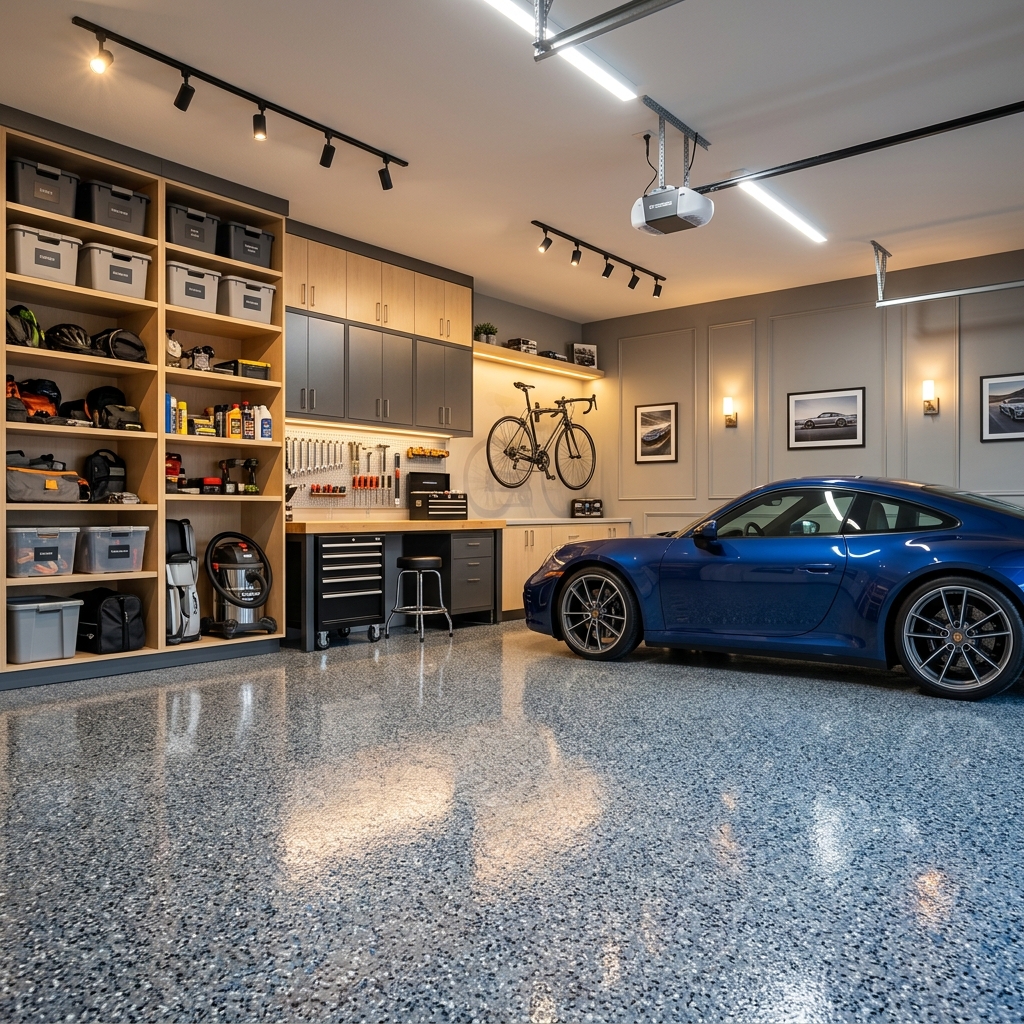
Protect Your Investment: Expert Guide to Epoxy Floor Repair vs. Replacement in Tampa, FL
When your epoxy flooring in Tampa shows signs of wear, determining whether to repair or replace it hinges on the extent of damage, underlying substrate integrity, and overall floor age. Minor cracks or localized peeling often allow for targeted, cost-effective repairs, while widespread delamination, significant substrate issues, or pervasive chemical damage typically necessitate a full, professional replacement to ensure lasting protection and aesthetic appeal.
As a Tampa homeowner or business owner, you understand the value of a durable, aesthetically pleasing epoxy floor. It's an investment that offers incredible resilience, hygiene, and curb appeal. However, even the toughest floors eventually show signs of wear and tear, especially under the relentless Florida sun, high humidity, and the daily demands of life in our vibrant community. Knowing when to opt for a strategic repair versus a complete overhaul can save you significant time, money, and stress. This guide from Tampa Epoxy Flooring Pros will equip you with the knowledge to make an informed decision for your property.
When Does Epoxy Floor Damage Warrant Professional Repair in Tampa?
Not every imperfection on your epoxy floor means it's time for a full replacement. Many common issues are perfectly suited for professional repair, restoring both functionality and aesthetics without the extensive cost of a new installation. Understanding these scenarios can help you act promptly and effectively.
- Minor Cracks and Chips: Small hairline cracks, isolated chips, or minor surface abrasions can often be meticulously repaired. Our technicians use specialized epoxy fillers and topcoats that blend seamlessly with your existing floor, preventing further damage and preserving its uniform appearance.
- Localized Peeling or Delamination: If peeling or delamination is confined to a small area, perhaps due to a localized moisture issue or impact, it can frequently be spot-repaired. This involves carefully removing the compromised section, preparing the substrate, and reapplying the epoxy layers to match the surrounding finish.
- Dullness and Surface Scratches: Over time, high-traffic areas might lose their luster or accumulate surface scratches. A professional buffing, cleaning, and reapplication of a clear topcoat can often revitalize a dull floor, bringing back its original shine and protective qualities. This is a common and highly effective repair for cosmetic issues.
- Impact of Humidity on Adhesion: Tampa's high humidity can be a silent adversary. If an epoxy floor was not installed with proper moisture mitigation or sufficient curing time, localized blistering or peeling might occur. Targeted repairs can address these specific areas, often involving enhanced surface preparation to prevent recurrence.
Our team at Tampa Epoxy Flooring Pros excels at assessing these conditions and executing precise repairs that extend your floor's life and maintain its aesthetic integrity. Timely repair can prevent minor issues from escalating into major problems.
What Are the Critical Signs Indicating Epoxy Floor Replacement is Necessary in Tampa?
While repairs are viable for many issues, certain types of damage signal that your epoxy floor has reached the end of its functional life or that underlying problems are too severe for a simple fix. Recognizing these critical signs early can prevent safety hazards and more extensive property damage.
- Widespread Delamination and Peeling: If large sections of your epoxy are delaminating or peeling from the concrete substrate, it's a strong indicator of a fundamental adhesion failure. This often points to significant moisture issues within the concrete, improper surface preparation during the initial installation, or severe age-related breakdown. A full replacement allows for proper moisture mitigation and comprehensive substrate preparation.
- Extensive Cracking and Concrete Damage: Epoxy can bridge minor concrete cracks, but if the concrete beneath is severely cracked, shifting, or spalling, the epoxy will eventually reflect these issues. Pervasive cracking across a large area or deep structural cracks typically mean the integrity of the entire floor system is compromised. A replacement allows for thorough concrete repair and stabilization before a new epoxy system is applied.
- Pervasive Chemical Damage and Staining: While epoxy is highly resistant, prolonged exposure to harsh chemicals or strong acids can compromise its structure, leading to softening, discoloration, or permanent etching over wide areas. If the damage is extensive and affects the protective qualities of the floor, replacement is often the only way to restore full functionality and appearance.
- Severe Bubbling and Blistering: Widespread bubbling and blistering, particularly after heavy rain or during periods of high humidity, are classic signs of significant moisture vapor transmission (MVT) from the concrete substrate. Attempting to repair individual blisters without addressing the root cause will only lead to recurring problems. A complete removal and reinstallation, incorporating advanced MVT barriers, is the definitive solution.
- Age-Related Wear and Tear Beyond Cosmetic: Floors that have served for many years may simply be worn out. If the epoxy has thinned significantly, lost its anti-slip properties, or suffered extensive abrasion that exposes the concrete, its protective qualities are diminished. In such cases, the cost-effectiveness and durability of a full replacement often outweigh piecemeal repairs.
When these critical signs appear, a full replacement is not just about aesthetics; it's about restoring the safety, durability, and long-term protection your property deserves.
Understanding Cost Factors: Repair vs. Replacement in the Tampa Market
The decision to repair or replace often comes down to cost, but it's crucial to consider not just the immediate expense, but also the long-term value and expected lifespan. In Tampa, labor rates, material costs, and specialized equipment rentals can all influence the final price tag.
Epoxy Floor Repair Costs:
- Minor Touch-Ups: Small cracks, chips, or dull spots can range from a few hundred to typically under a thousand dollars, depending on the size and complexity.
- Localized Delamination: More involved repairs, requiring removal and reapplication of specific sections, might range from $500 to $1,500+.
- Factors: The type of epoxy, the severity of the damage, the area to be repaired, and the labor involved. Specialized color matching can also add to the cost.
Epoxy Floor Replacement Costs:
- Removal of Old Coating: This is a significant cost factor, often involving specialized grinding equipment to ensure a clean, properly profiled concrete surface for the new epoxy. This alone can range from $1-$3 per square foot.
- Substrate Preparation: Repairing extensive concrete cracks, leveling uneven surfaces, and applying moisture vapor barriers add to the base cost.
- New Epoxy System: The cost per square foot for a new epoxy system in Tampa typically ranges from $4-$10+, depending on the system chosen (e.g., standard flake, metallic, quartz), the number of coats, and any custom finishes.
- Overall Scope: A full replacement for a standard garage might be $2,000-$5,000+, while larger commercial spaces can run into tens of thousands.
While replacement is a larger upfront investment, it offers a brand-new, long-lasting floor with a fresh warranty, often outperforming a series of piecemeal repairs in the long run. Our Tampa Epoxy Flooring Pros team provides transparent, detailed quotes, helping you understand every aspect of your project's cost.
What Happens During a Professional Epoxy Floor Assessment in Tampa?
Before any repair or replacement work begins, a thorough professional assessment is critical. This process allows our experts to accurately diagnose the problem, understand the underlying causes, and recommend the most effective and durable solution for your specific Tampa property.
The Assessment Process:
- Initial Visual Inspection: Our technician will walk the entire floor, noting all visible signs of damage such as cracks, chips, peeling, discoloration, and dull spots. We'll identify high-traffic areas and potential problem zones.
- Moisture Testing: This is paramount in Florida. We utilize specialized meters and calcium chloride tests to determine the moisture content and vapor transmission rate within your concrete slab. High moisture is a common culprit for epoxy failures.
- Adhesion Testing: For existing epoxy, we may perform a 'pull-off' test (dolly test) to quantitatively measure the bond strength between the epoxy and the concrete. This helps us understand if the existing coating is failing due to poor adhesion.
- Substrate Evaluation: We inspect the concrete for cracks, spalling, efflorescence, or other structural issues. The integrity of the concrete subfloor is foundational to any successful epoxy application.
- Environmental Factors: We consider your property's specific conditions, such as exposure to direct sunlight, heavy machinery, chemical spills, or high humidity, all of which influence epoxy performance in Tampa. For properties in areas like Palma Ceia, direct sun exposure on certain garage floors can be a significant factor.
- Detailed Report and Recommendations: Following the assessment, you'll receive a comprehensive report outlining our findings, the root cause of the damage, and clear recommendations for either repair or replacement. This will include a detailed, no-obligation quote.
This meticulous diagnostic process ensures that we address the true nature of your floor's problems, preventing band-aid solutions and guaranteeing a long-lasting fix.
Maximizing Your Epoxy Floor's Lifespan in Tampa's Unique Climate
Even after a professional repair or replacement, proper maintenance and awareness of Tampa's environmental factors are key to extending the life of your epoxy floor for years to come.
- Regular Cleaning: Sweep or vacuum regularly to remove abrasive grit. Mop with a mild, pH-neutral cleaner. Avoid harsh chemicals, acidic cleaners, or abrasive scrubbing pads, which can dull or damage the epoxy surface.
- Immediate Spill Cleanup: While epoxy is chemical resistant, prompt cleanup of spills, especially oils, acids, or solvents, prevents potential staining or etching.
- Protect Against Impacts: Use furniture pads under heavy items and avoid dragging sharp or heavy objects across the floor to prevent scratches and chips.
- Manage Moisture: Ensure proper drainage around your property to prevent water intrusion under slabs, especially relevant during Tampa's rainy season. For commercial spaces or large residential areas like those found in Wesley Chapel, implementing a regular moisture check can be beneficial.
- Professional Inspections: Consider a periodic professional inspection from Tampa Epoxy Flooring Pros, especially if your floor is in a high-traffic area or subject to heavy use. We can identify minor issues before they become major problems.
- Consider UV Protection: For outdoor or sun-exposed epoxy (like garage floors with open doors), ensure your original installation included UV-stable topcoats to prevent yellowing and degradation from intense Florida sunlight.
By following these guidelines and relying on the expertise of Tampa Epoxy Flooring Pros, you can maximize your epoxy floor's durability, appearance, and value for decades.
Don't let damaged epoxy flooring diminish the beauty or functionality of your Tampa home or business. Whether you're grappling with minor wear or significant structural concerns, the experts at Tampa Epoxy Flooring Pros are here to provide clear answers and lasting solutions. Contact us today for a professional assessment and receive a detailed, no-obligation quote. Let us help you protect your investment and restore your floor to its optimal condition!
Need Professional Assistance?
Get a free, no-obligation estimate from our expert local team today.